Water Damage Restoration in Ridgefield
A wet floor can conceal a much larger problem beneath cabinets or behind trim. Ridgefield property owners need the water source controlled, affected materials checked, and a clear drying plan.
(888) 509-1696Discuss the wet areasA useful first description includes the room affected, whether water is still entering, and any unsafe electrical conditions nearby.
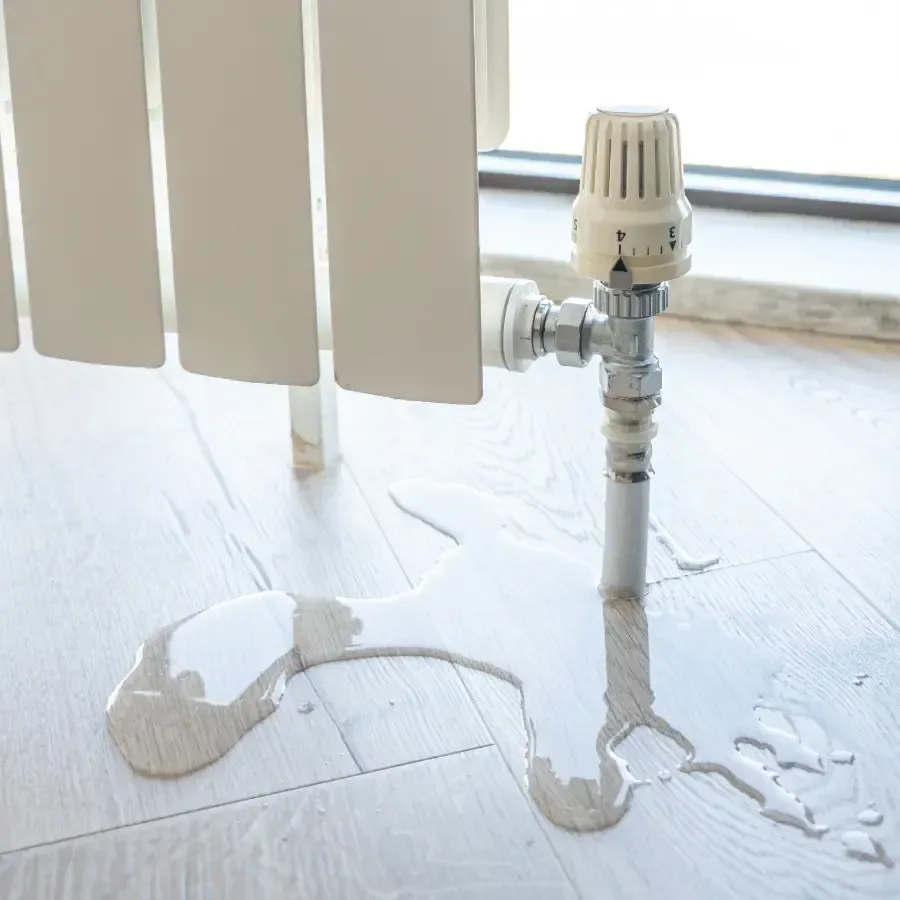
An orderly path through the cleanup
The work starts with a source and safety assessment, then moves through removal and controlled drying. Each stage should leave a useful record of the conditions found and decisions made.
Cleanup shaped around the source
A broken supply connection, overhead drip, or outdoor flood leaves different work behind. Select the source closest to the problem for practical cleanup details and material checks.
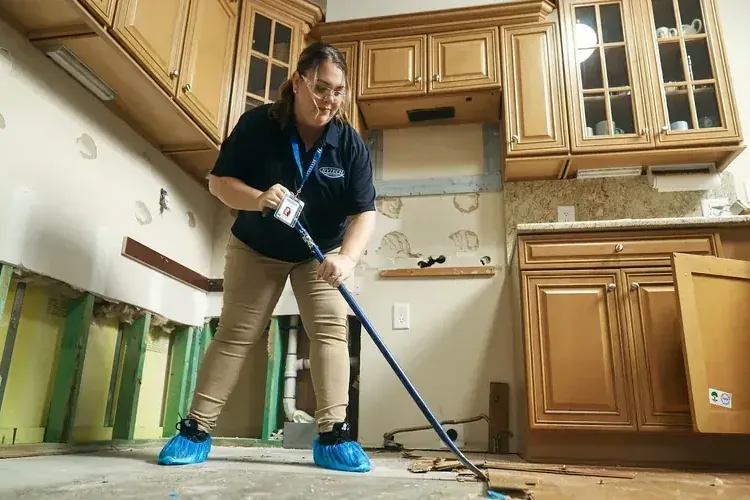
Water Extraction
Standing water needs removal before floors can dry. Extraction work follows the wet footprint into adjoining rooms and beneath accessible furniture.
Removing standing water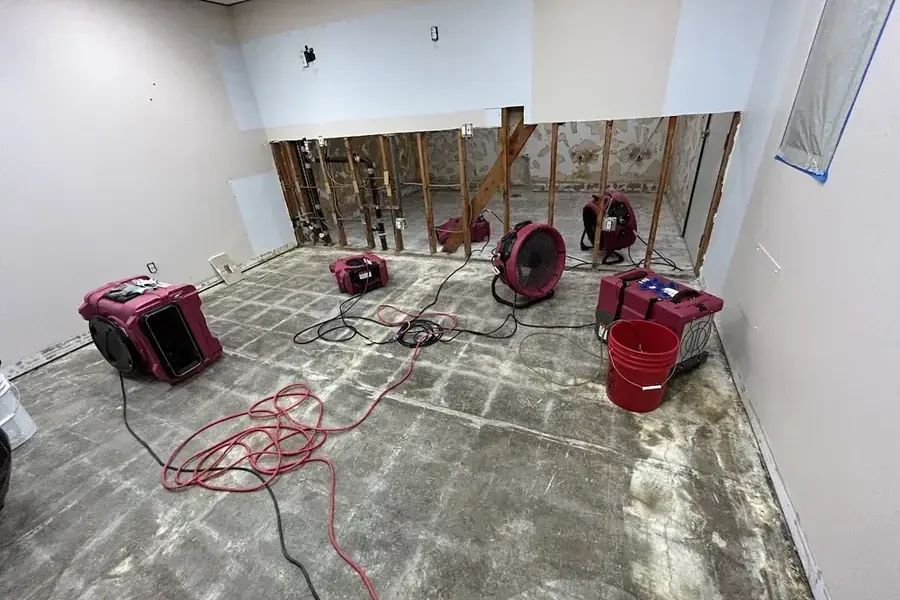
Slab Leak Water Damage
An unexplained bill increase and persistent floor dampness call for investigation. Cleanup addresses soaked finishes while plumbing specialists locate and repair the leak.
Tracing moisture below the floor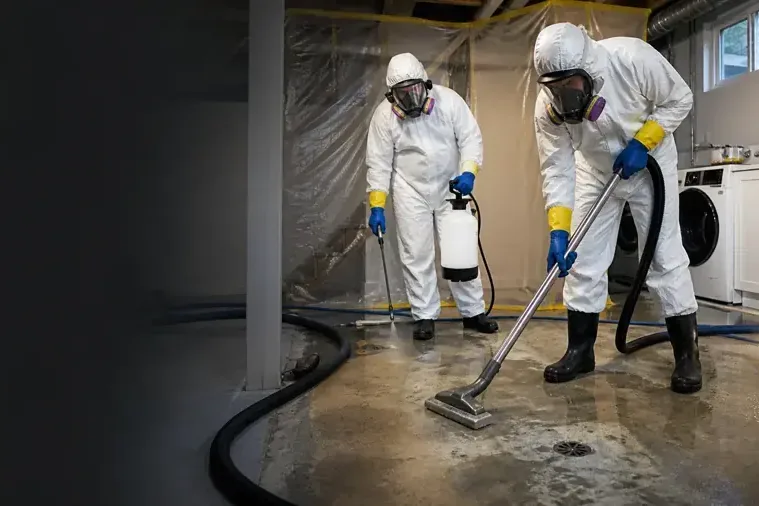
Sewage Backup Cleanup
Wastewater changes the cleanup approach. Restrict access, stop fixture use, and arrange controlled removal of contamination before considering which building materials remain.
Containing a sewage backup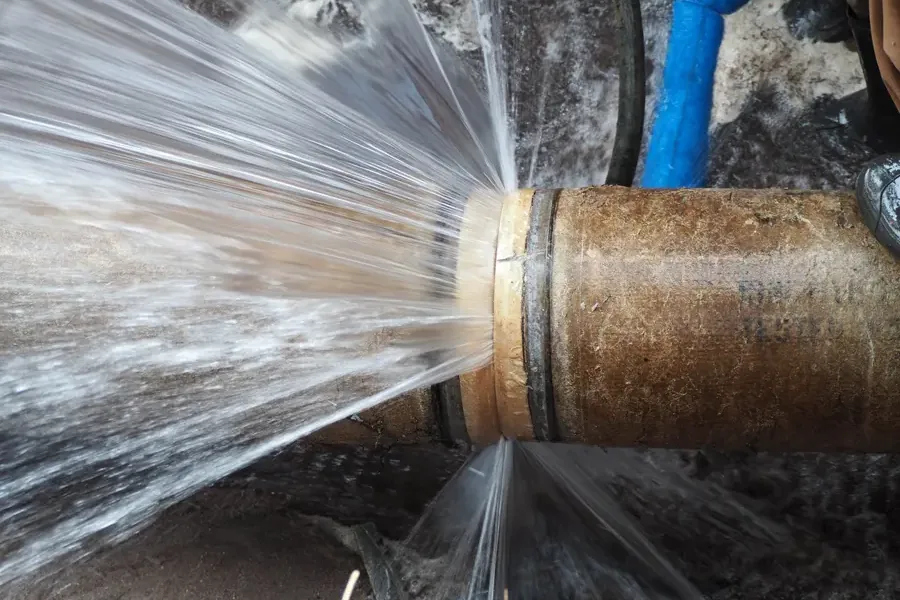
Burst Pipe Water Damage
A pipe rupture can send water through walls before a puddle appears. Source isolation and a room by room assessment establish the cleanup boundary.
From shutoff to cavity drying
Storm and Flood Cleanup
Outdoor water can carry debris across thresholds. Flood cleanup separates damaged contents, removes pooled water, and checks concealed floor and wall assemblies.
Assessing floodwater entry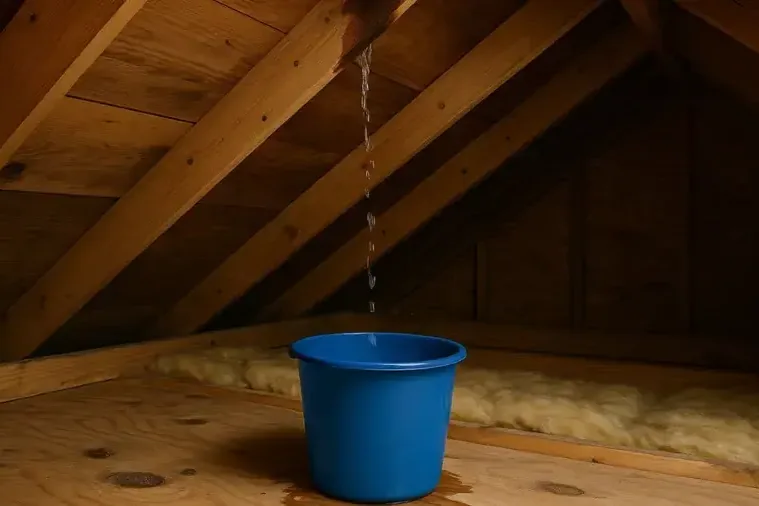
Roof Leak Water Damage
A roof entry point may feed several attic bays. Interior restoration follows the moisture path through insulation and ceiling materials after weather protection.
Drying the attic after a leak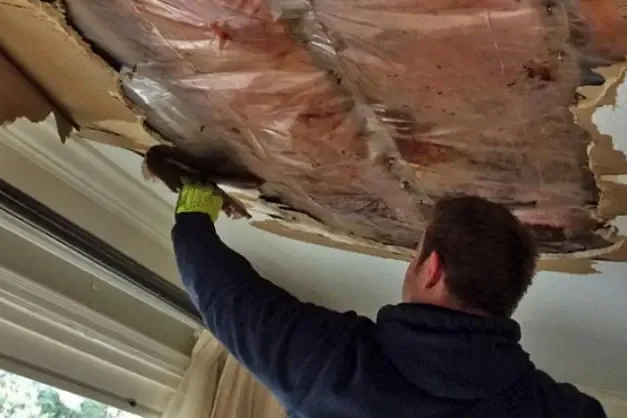
Ceiling Leak Water Damage
A ceiling stain deserves attention beyond fresh paint. Overhead assessment checks the source, weakened panels, and moisture trapped around framing or fixtures.
Checking wet ceilings safely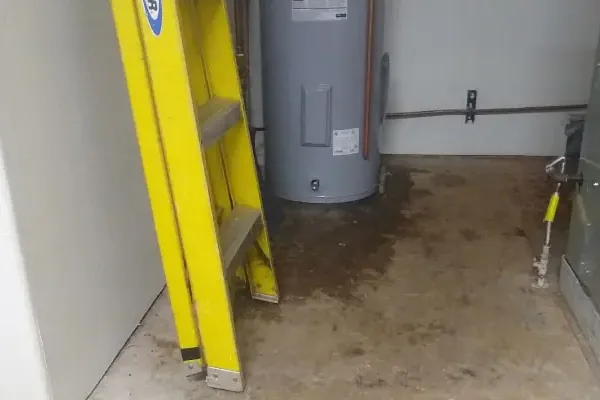
Water Heater Leak Cleanup
Water around a tank can spread beneath closet walls. Equipment isolation comes before checking nearby flooring, trim, and the utility area's concealed edges.
Cleaning up a leaking tank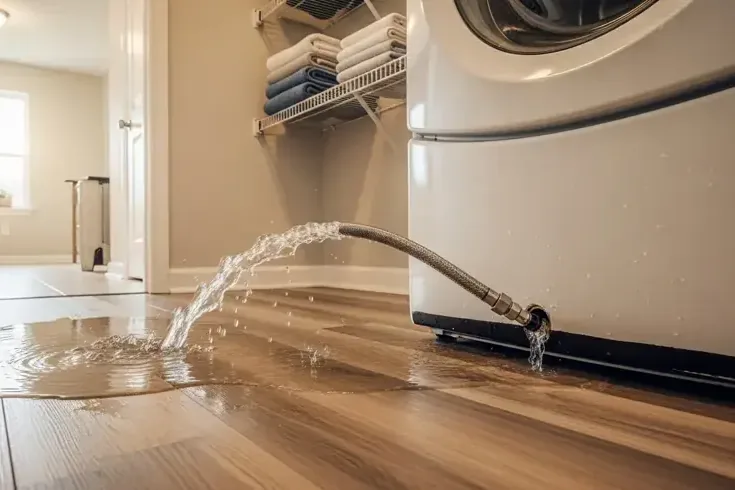
Appliance Leak Water Damage
Small appliance connections can leave extensive hidden wetness. Inspect the cabinet recess, adjoining floor layers, and the wall behind the equipment.
Finding water behind appliances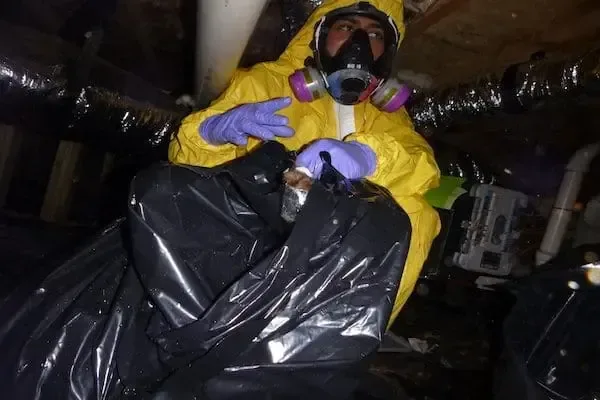
Crawl Space Water Removal
Underfloor pooling requires a safe access assessment. Removal and drying depend on the water source, clearance, insulation condition, and affected framing.
Managing water below the house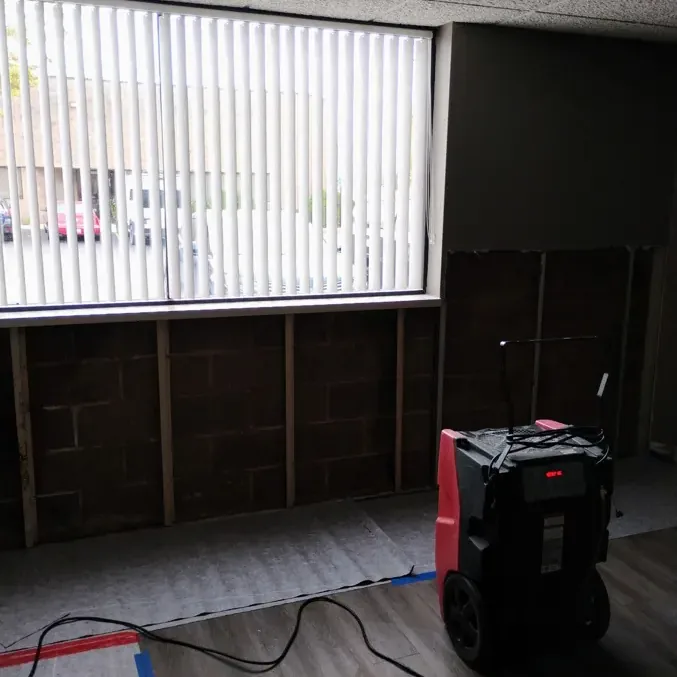
Structural Drying
After visible water disappears, measurements still matter. Drying equipment targets retained moisture in building assemblies until the recorded material condition supports closure.
Following material moisture readings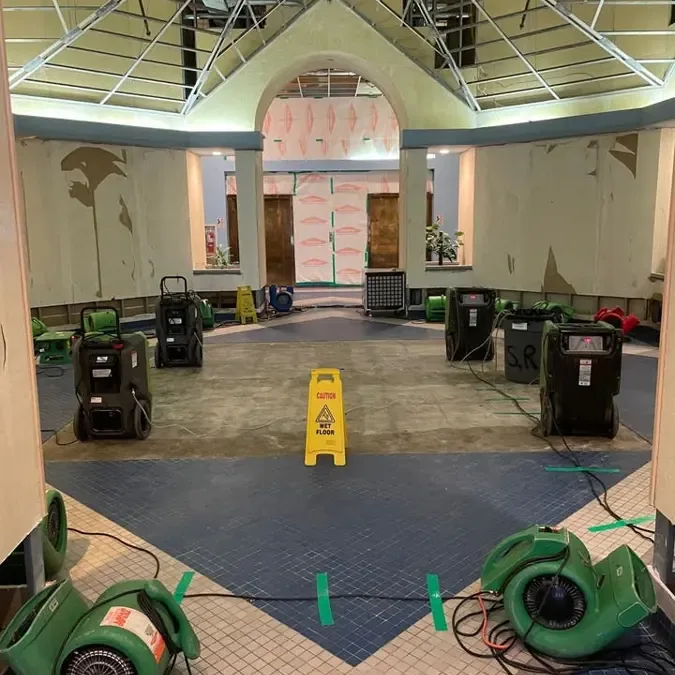
Commercial Water Damage
Business cleanup needs a workable access plan. Separate wet work areas, protect unaffected inventory, and coordinate drying around building systems and occupants.
Planning business cleanup access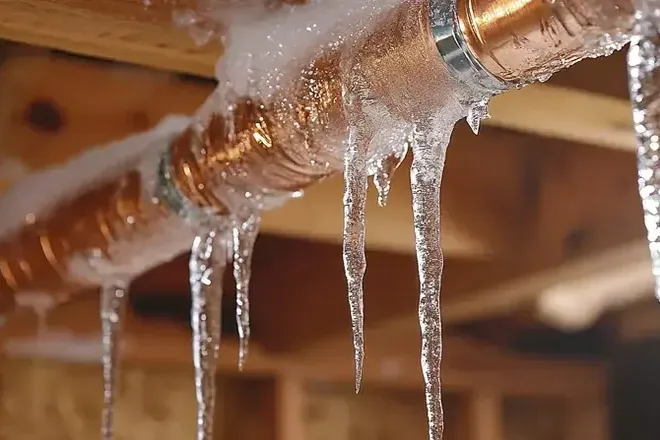
Frozen Pipe Water Damage
Thawing can reveal a split that previously stayed hidden. Isolate the supply and inspect the surrounding cavity before restoring normal water use.
Addressing leaks after a freezeFollow moisture beyond the puddle
Cleanup should explain what is wet, what needs removal, and how retained materials will dry. A surface that feels dry can still conceal moisture below it.
Trace connected spaces
Water can pass through an opening at a wall base and reach the adjoining room. The assessment follows those connections before equipment placement.
Protect sound finishes
Selective access helps expose trapped wetness while keeping unaffected finishes separated from removal work. Material condition determines the practical boundaries of that work.
Record changing readings
Comparing measurements over successive visits shows whether drying is progressing. Equipment settings can change when a cavity or dense material retains water.
Explain the handoff
The final cleanup record should distinguish completed drying from plumbing, roofing, or finish repairs that still need a separate scope and schedule.
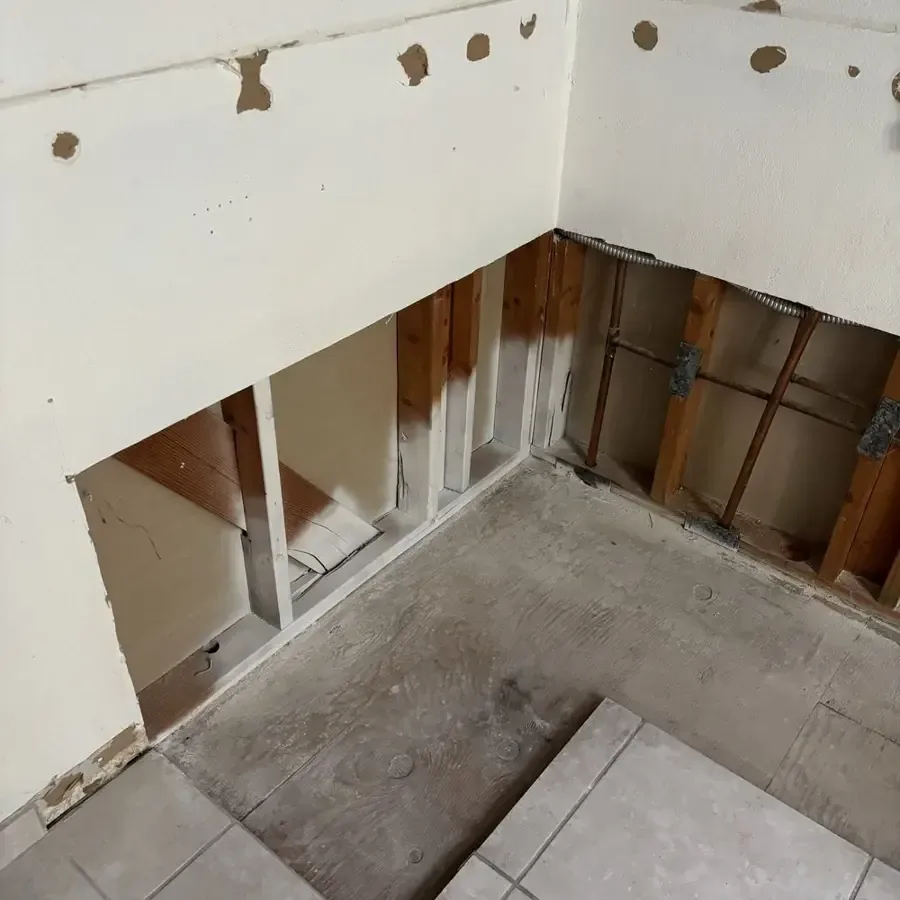
From moisture map to final readings
- Establish the boundary. Moisture checks compare affected surfaces with appropriate dry areas, including room edges that may look unchanged despite water traveling underneath them.
- Open necessary access. Wet layers that prevent drying may need selective removal. The proposed openings should follow the measured damage and the water's contamination level.
- Manage room conditions. Air movement and dehumidification work together to remove moisture from materials and capture it from the air within the drying area.
- Check readiness for repairs. Recorded results help determine when the assembly can be closed. Remaining source repairs and finish work should be identified before equipment leaves.
Describe the location and entry
Useful location references
Local ZIP
Other town pages
Clear access helps define the work
The city sits in northern Clark County. Neighborhood details such as Heron Ridge or Hillhurst help identify the property while the owner describes the actual water problem and available entry.
For a managed property, include the contact who can authorize access to shared areas. Gate instructions, occupied rooms, and equipment placement restrictions belong in the initial cleanup discussion.
(888) 509-1696Explain the property accessUseful context for local water problems
Ridgefield combines continued home construction with established neighborhoods and municipal water infrastructure. A household leak still needs its own source assessment, while outdoor drainage problems may also need a public works report.
Blocked storm facilities
Public Works warns that grass and leaves can clog storm facilities and cause flooding during rain. Visible blockages can be reported without entering moving water.
Gee Creek Loop drainage
The neighborhood improvement project includes storm drainage work and a Pioneer Street crossing connection to Abrams Park. Property cleanup still starts with the actual entry point.
Unexpected water usage
An unusually high water bill can indicate a leak, the city advises. Persistent dampness or unexplained water use calls for investigation before finishes are repaired.
Separate utility responsibilities
The municipal Water Division maintains water production, storage, and delivery facilities. Clark Regional Wastewater District is the identified sewer provider for questions about suspected public wastewater problems.
Neighborhood management contacts
New subdivisions require a homeowners association. Where shared access or facilities are involved, the appropriate manager can help coordinate entry and communication during the cleanup assessment.
Municipal stormwater management: The city manages stormwater services and accepts reports of clogged drains, flooding, and unusual discharges affecting the local drainage system.
Different losses need different handling
Supply water escape
A failed plumbing connection can begin as clean water but spread into hidden building layers. Prompt source control limits additional saturation.
Trace the supply escapeWater around equipment
An appliance leak may include wash water or residue. The equipment cycle and affected surfaces help determine cleaning and removal needs.
Inspect the appliance recessWastewater or outdoor contamination
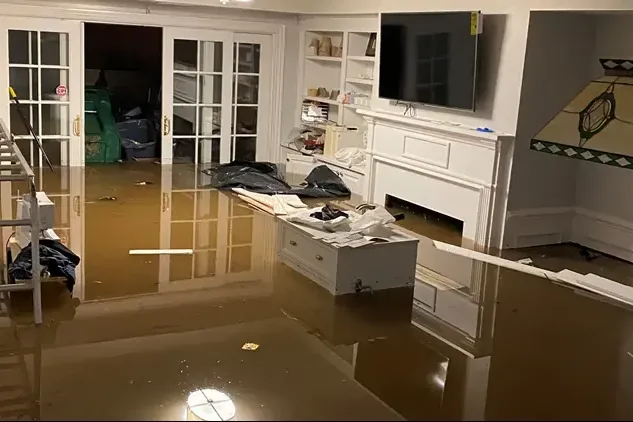
Sewage and floodwater require restricted access and deliberate handling. Contaminated absorbent materials may need removal rather than ordinary drying in place.
Contain contaminated materialExamples of removal and drying conditions
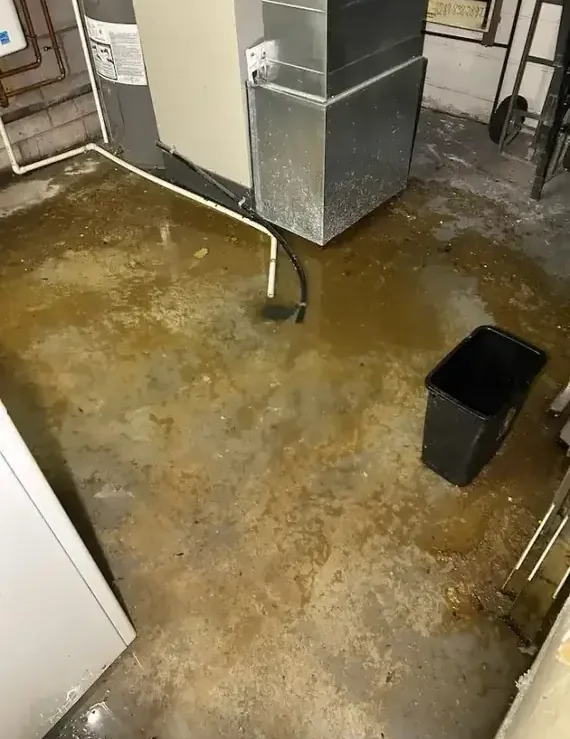
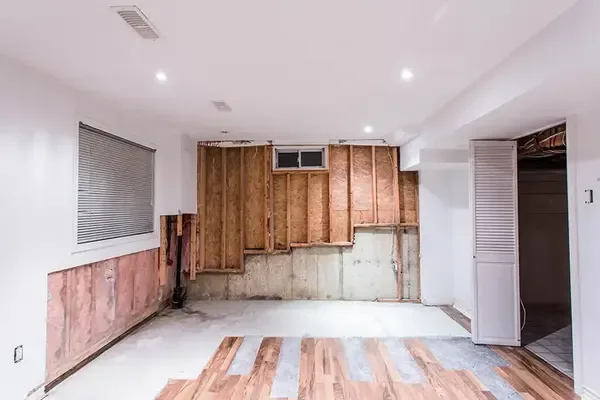
What changes a restoration estimate?
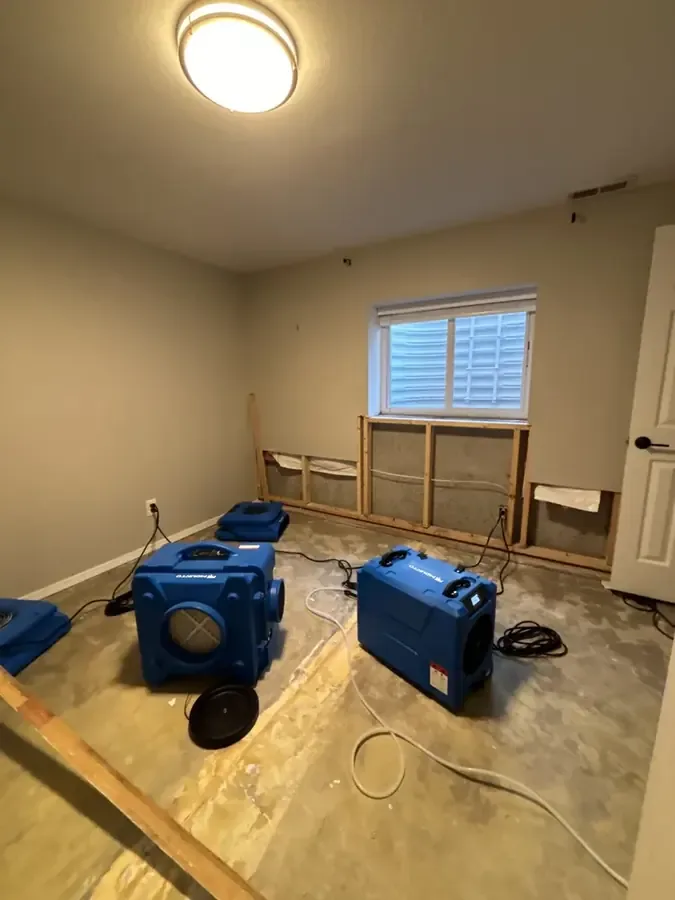
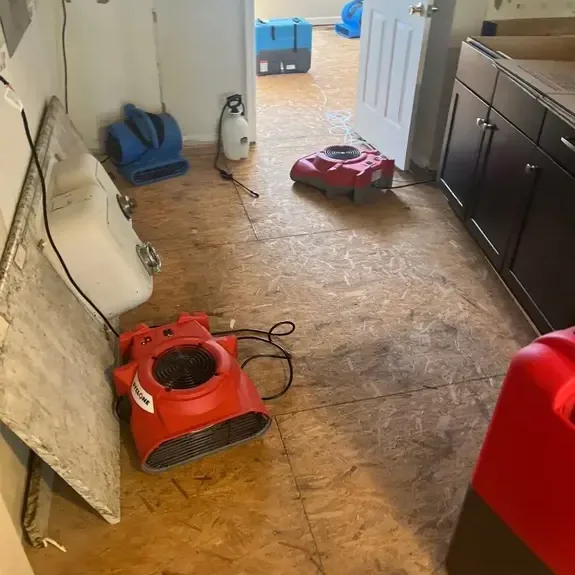
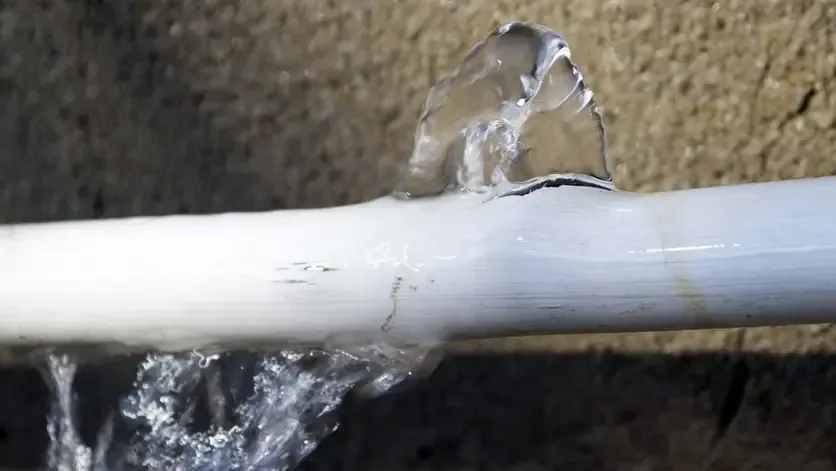
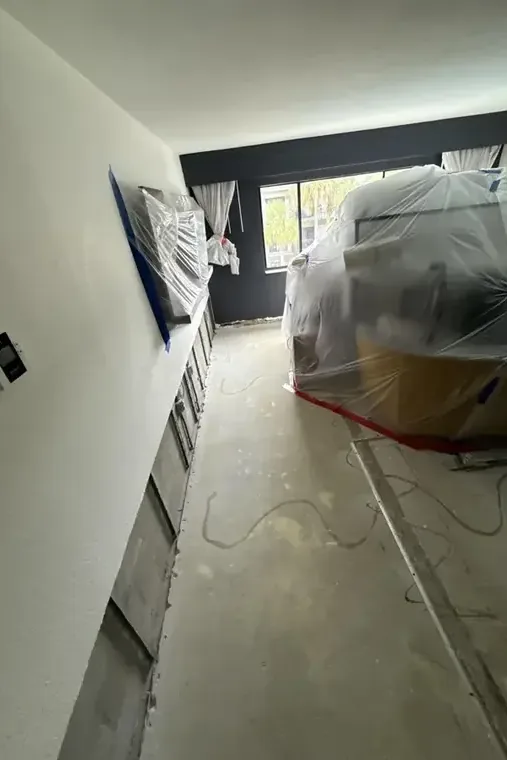
Water damage restoration in Ridgefield depends on the affected area, material layers, contamination, and access. These planning ranges describe increasing cleanup scope; an inspection establishes which removal and drying tasks belong in the estimate.
Focused room work
$1,000 to $2,500
- Limited wet footprint
- Accessible floor surfaces
- Targeted drying equipment
Connected interior damage
$2,500 to $5,000
- Several affected rooms
- Selective cavity access
- More retained moisture
Extensive layered loss
$5,000 to $8,000+
- Broader material removal
- Complex cleanup conditions
- Expanded drying area
Keep the next decision simple and safe
- Check entry conditions. Standing water beside outlets, sagging ceilings, or sewage means the affected room should stay empty until the relevant hazards have been assessed.
- Limit the supply. A reachable shutoff may stop clean plumbing water. The city offers water shutoff assistance when the customer needs help controlling the supply.
- Separate dry possessions. Move accessible dry belongings away from the wet boundary without crossing contaminated water or lifting heavy furniture from an unstable, saturated floor.
- Capture the visible damage. Photographs of the source and affected surfaces help explain the loss. Note when the water appeared and whether the wet area is expanding.
- Describe the affected rooms. A useful cleanup discussion covers the source, access restrictions, floor coverings, and whether water has entered another level of the building.
Document what happened and when
A claim conversation is easier when the damage record shows the source, the affected rooms, and the work performed. Coverage depends on the policy and the insurer's decision.
- Photograph the source from a safe dry position
- Record the discovery time and visible water spread
- Keep receipts for reasonable temporary protective measures
- Retain cleanup estimates and material removal descriptions
- Ask for moisture records before repairs cover cavities
When paying directly
A property owner paying directly can request an itemized cleanup scope before authorizing work. The document should explain equipment, anticipated access openings, and the materials proposed for disposal.
Questions about changes should be resolved as conditions become visible. A newly discovered wet cavity can alter the work, so revised tasks belong in an updated written description.
Plan before you call
Nearby service areas
Questions after water appears
Does every wet floor need the same cleanup?
No. A clean supply leak, appliance discharge, and sewage backup present different material and contamination concerns. The assessment considers what escaped, how far it traveled, and what it contacted before choosing extraction, cleaning, removal, and drying tasks.
Who can help stop the municipal water supply?
The City of Ridgefield offers assistance with a water shutoff. A customer should describe the leaking supply and any access problem. Where standing water creates an electrical hazard, reaching a valve through the wet area is unsafe.
What if the surface feels dry the next morning?
A dry surface can sit above damp underlayment or a wet cavity. Moisture checks help establish the remaining work. Swollen trim, soft flooring, or a returning stain should be assessed before paint or replacement finishes conceal the area.
Can occupants remain in the building during drying?
That depends on contamination, electrical safety, affected rooms, and access routes. Some work can be isolated from occupied rooms. The cleanup plan should explain which areas stay restricted and how equipment placement affects ordinary movement through the property.
Who handles a suspected public sewer problem?
Clark Regional Wastewater District is the sewer provider identified by the city. A suspected public system issue warrants contact with that provider, while cleanup inside the property requires its own assessment. Fixture use should stop when wastewater is backing up.
Should a water stain be painted immediately?
Painting should wait until the source has been addressed and the damaged assembly has been evaluated. A sealed surface can hide retained moisture. Weak ceiling material or wet insulation may need removal before drying and finish repairs can proceed.
How are cleanup costs kept understandable?
An estimate should name the affected areas and separate extraction, material handling, drying, and later repair tasks. If hidden damage appears after an opening is made, the revised scope should describe that finding and the additional work it creates.
Can storm drain problems be reported locally?
The city accepts reports of clogged drains, flooding, and unusual discharges. A report can identify the location and visible condition from a safe position. Property owners should avoid lifting covers or stepping into moving or electrically hazardous water.
What belongs in the final drying record?
Useful records include the rooms assessed, materials removed, equipment used, and moisture measurements supporting the drying decision. They also identify unfinished source or finish repairs. The owner can retain those records with photographs, estimates, and claim correspondence.
Put the wet area into a clear plan
Describe the source, affected surfaces, and access concerns so the next discussion can focus on practical removal and drying needs.
(888) 509-1696Discuss Ridgefield cleanup options