Crawl Space Water Removal in Ridgefield
For a property with a crawl space, the access hatch reveals only part of the problem. Underfloor removal needs an assessment of entry safety, water origin, clearance, and the materials above the pooling.
(888) 509-1696Discuss underfloor water conditions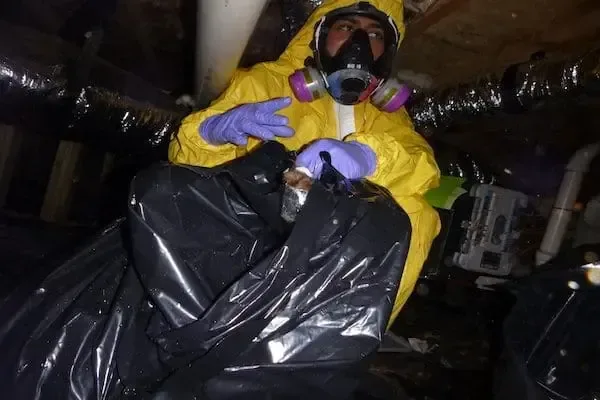
First steps for crawl space water removal
- Stay outside uncertain conditions. Observe only from a safe dry position near the opening, leaving entry for an assessment when water, electrical components, contamination, or restricted clearance creates uncertainty.
- Describe the water pattern. Note whether pooling follows rain, plumbing use, or a continuous leak so the source investigation can begin with the observed conditions at the property.
- Identify access restrictions. Explain the hatch location, stored items blocking the approach, and any known equipment beneath the floor so removal planning accounts for safe movement and material handling.
- Coordinate source correction. Discuss plumbing or drainage findings alongside the underfloor cleanup scope so removal and drying are not undermined by water continuing to enter the same space.
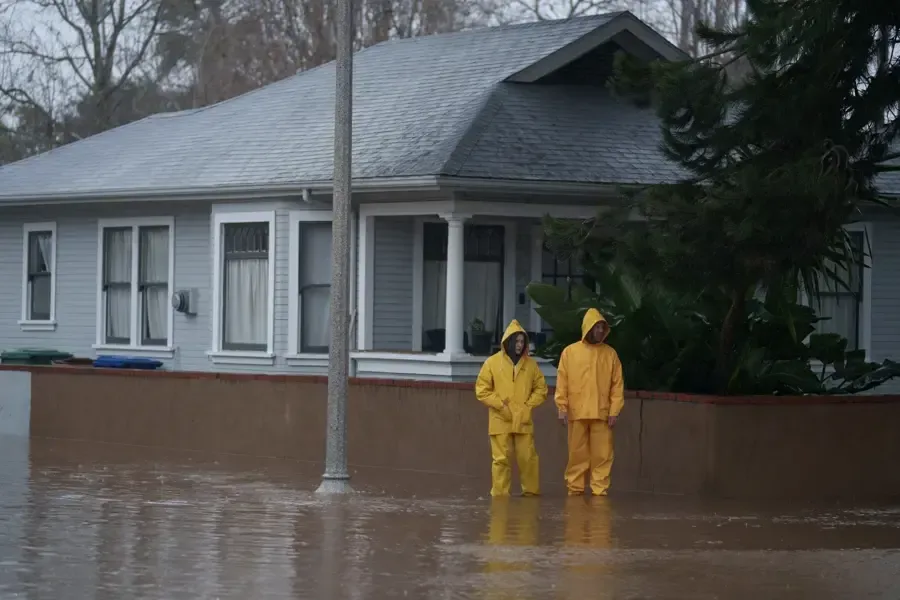
Water beneath a house can remain out of sight while insulation and the underside of the floor become wet. The initial question is whether the space can be entered safely and what is feeding the pooling. Ridgefield accepts reports of flooding and clogged storm drains when an observed public drainage concern accompanies the property problem.
Describe the hatch view without crawling inside
Low clearance, wet electrical components, and uncertain contamination can make an underfloor space unsuitable for occupant entry. A description from the opening can still identify visible pooling and access restrictions. The assessment then determines what equipment and material handling methods suit the actual space.
At a Hillhurst property with a crawl space, a plumbing release needs a different source investigation from water entering during rain. A Pioneer Canyon owner can describe whether the pooling returns after removal. Those observations help connect the underfloor cleanup to the repair or drainage work needed to prevent recurrence.
Remove water and inspect what hangs above it
Collecting pooled liquid exposes conditions beneath insulation and floor framing. Saturated or contaminated insulation may require removal, while suitable retained materials need access for drying. The work should also identify debris or displaced coverings that obstruct inspection of the affected ground and building components.
- Determine whether a plumbing source continues feeding the underfloor pool.
- Assess wet insulation for contact, condition, and practical removal access.
- Check the underside of flooring where moisture has reached supporting materials.
- Plan a protected route for bagged debris leaving the access opening.
Keep the space accessible for the drying decision
For a Taverner Ridge property, clearance and layout influence where equipment can work. Drying retained structure should address the affected framing rather than stopping when the ground no longer shows a puddle. Monitoring also helps reveal continuing entry that would undermine the drying process.
The completion record should distinguish water removal, insulation disposal, structural drying, and outstanding source correction. An owner needs to know which underfloor areas were reached and whether another access point or specialist repair remains necessary. That account gives later repair work a clear starting point.
Do not crawl into standing water beneath a building or reach toward submerged wiring. Keep the hatch area clear and arrange an entry assessment. Sewage contact or unstable materials require controlled handling before anyone attempts ordinary pumping or ventilation.
Underfloor water needs a safe entry plan and an explanation of where it comes from. Describe the hatch, visible pooling, and whether the condition changes with rain or plumbing use before arranging the next assessment.
(888) 509-1696Assess the underfloor cleanup needsWhat does crawl space water removal cost in Ridgefield, WA?
Crawl space water removal costs in Ridgefield depend on access, contamination, and wet underfloor materials. The ranges describe cleanup conditions, while source repairs and replacement insulation should be clarified in the estimate.
Accessible pooled water
$1,500 to $2,500
- Workable hatch approach
- Limited liquid removal
- Visible source assessment
Wet underfloor assembly
$2,500 to $4,500
- Saturated insulation handling
- Floor framing checks
- Targeted structural drying
Restricted or contaminated space
$4,500 to $7,000+
- Difficult material access
- Controlled debris removal
- Expanded cleanup precautions
Estimate only. Water category, affected materials and access determine the scope. Compare the inputs in the water damage cost calculator.
How crawl space water removal progresses
- 1
Assess the entry conditions
Clearance, pooling, and visible hazards are evaluated before entry to establish practical access for underfloor inspection and safe removal.
- 2
Investigate and remove pooling
The source is considered alongside water collection so continuing entry can be identified, while removal reveals underfloor materials and surfaces previously concealed by the standing liquid.
- 3
Evaluate exposed building components
Insulation and framing are assessed for moisture and contamination, with unsuitable layers removed and retained materials given the access needed for managed drying beneath the occupied floor.
- 4
Document access and remaining repairs
The handoff describes areas inspected, material handling, and drying results, while identifying source correction or inaccessible sections that still require attention before the underfloor work can be considered complete.
Related water damage services in Ridgefield
Crawl Space Water Removal questions in Ridgefield, WA
Does every local home have a crawl space?
The property's actual foundation and access determine whether this service applies. An assessment begins with the space present at the building. Where a crawl space exists, clearance, water source, and affected materials shape the removal and drying approach.
Can a household pump solve the whole problem?
Pumping can remove some liquid but does not assess contamination, unsafe entry, or wet materials above the pool. Source correction and underfloor material checks remain necessary. The cleanup scope should explain how retained framing and insulation will be evaluated after removal.
What if the water returns after pumping?
Returning water indicates that the entry or supply problem still needs attention. Observations about rainfall or plumbing use can help direct investigation. Continued pumping alone leaves the source unresolved and may prevent a stable drying environment from being established.
Should wet insulation be pushed back into place?
Saturated or contaminated insulation needs assessment before reuse or replacement. Repositioning it can conceal damp framing and prevent inspection of the underside of the floor. The removal and drying plan should address the material's condition and the assembly it covers.
Can occupants inspect from inside the access hatch?
Entry should wait when pooling, restricted clearance, wiring, or contamination creates hazards. Observations from a safe dry position can help describe the problem. Appropriate personnel should assess access and handling requirements before anyone moves deeper into the affected space.
What information should the final report include?
Useful records identify the source observations, inspected areas, removed materials, and moisture condition of retained components. They also note any inaccessible section or unfinished repair. This makes subsequent insulation replacement or plumbing work easier to coordinate around the actual underfloor findings.
Crawl space water removal in Ridgefield
Underfloor assessments can include Hillhurst, Pioneer Canyon, and Taverner Ridge properties that have crawl spaces, with hatch access and the observed water conditions discussed before entry.
The same service nearby: crawl space water removal in Kelso, Rainier, Longview.
Water removal includes checking the materials above
A useful scope can separate collection, insulation handling, framing drying, and source repair while making clear which portions of the space remain accessible for inspection.
(888) 509-1696Discuss crawl space removal access