Crawl Space Water Removal in Longview
Pooled water beneath a house can remain out of sight while insulation and framing become wet. Longview crawl space work begins with access and hazard assessment before choosing a removal and drying approach.
(888) 509-1696Assess the wet underfloor space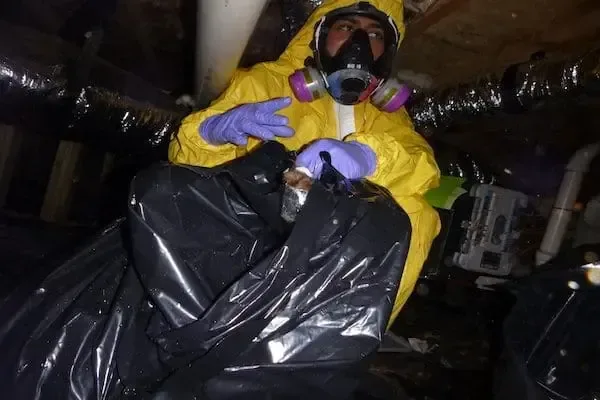
First steps for crawl space water removal
- Observe from the opening. Describe water from outside the hatch without entering. Note hanging insulation, exposed equipment and whether the water appears to be moving or rising.
- Keep the hatch accessible. Clear dry items around the entry when safe, leaving room for assessment. Avoid placing equipment or extension cords into the space before electrical safety is established.
- Report recent changes. Mention a known plumbing leak or recent outdoor entry affecting the property. Those details help distinguish continuing inflow from water left behind after an earlier release.
- Plan material handling. Wet insulation and debris need a controlled removal route. Keep the approach clear so underfloor materials do not have to pass through occupied rooms unnecessarily.
An open access hatch can reveal pooled water without showing the full extent beneath the building. Low clearance, hanging insulation and concealed equipment limit visibility. Before anyone enters, the work needs an assessment of the water source, electrical exposure and the route available for removal equipment and damaged materials.
Find out why water is collecting below
Longview's stormwater program controls runoff from development and redevelopment. Around Lake Sacajawea, rainy season water levels are managed through the city flood control program. At a house with a crawl space, the practical investigation focuses on its own plumbing, openings and surrounding drainage when identifying the underfloor entry.
Monticello and Freeport are historic settlement areas within the city. A property in either area needs inspection of its actual foundation and access arrangement. Water from a private pipe, outdoor entry or a drain failure leads to different handling decisions, particularly when insulation or stored debris has been soaked.
Pumping leaves the underfloor assembly to assess
Removing pooled liquid gives better access to the affected ground covering and framing. The floor above still needs moisture checks before the underfloor work is complete. Insulation may hold water against joists or subfloor surfaces. The restoration scope should describe which materials can remain and which prevent effective inspection or drying.
- Check insulation attachment and condition beneath affected occupied rooms.
- Inspect accessible joists and subfloor surfaces for retained moisture.
- Record damaged ground covering and debris that obstructs water recovery.
- Identify pockets where water remains beyond the first accessible bay.
Arrange drying for a confined space
Equipment placement must account for the crawl space geometry and safe power arrangements. Structural drying follows the remaining moisture in retained wood and other assemblies, using measurements rather than the absence of visible puddles as the endpoint. Additional access may be necessary where airflow cannot reach a wet pocket.
For homes near Hemlock Plaza, describe the hatch location and any known obstruction without entering to investigate. The proposal should separate water removal, contaminated material handling and drying from plumbing or exterior drainage repairs. That division makes it clear what prevents another release and what restores the damage already present.
Do not crawl into standing water or reach beneath hanging wet insulation. Hidden wiring, unstable materials and limited exit space can make entry unsafe. Keep the hatch area clear and leave underfloor investigation to an assessment that establishes suitable access and protection.
Water beneath a building needs an access plan before it needs a pump. Describe the entry hatch, visible pooling and any known source so the underfloor inspection can account for confined work and affected materials.
(888) 509-1696Assess underfloor access and waterWhat does crawl space water removal cost in Longview, WA?
Longview crawl space costs reflect access restrictions, water condition and affected underfloor materials. A useful estimate separates pumping from insulation removal, cleaning and drying, with source correction identified as its own task.
Accessible pooled water
$1,500 to $2,500
- Clear equipment entry
- Localized liquid recovery
- Initial framing inspection
Wet underfloor assembly
$2,500 to $4,500
- Insulation condition assessment
- Subfloor moisture mapping
- Directed underfloor drying
Restricted or contaminated space
$4,500 to $7,000+
- Difficult material access
- Controlled debris removal
- Expanded cleaning scope
Estimate only. Water category, affected materials and access determine the scope. Compare the inputs in the water damage cost calculator.
How crawl space water removal progresses
- 1
Assess the entry conditions
The survey evaluates clearance, water source and hazards from the available access, establishing whether additional precautions or preparation are required before underfloor work can proceed.
- 2
Recover pooled liquid
Removal equipment reaches accessible water pockets while the work tracks continuing inflow and identifies soaked debris or ground covering that interferes with effective recovery.
- 3
Evaluate insulation and wood
Affected insulation is assessed for retention or removal, and exposed joists and subfloor surfaces are checked to define the moisture remaining above the cleared water.
- 4
Verify the underfloor result
Drying progress is measured at retained assemblies, with final records noting inaccessible locations, completed source work and any further repairs needed before the space is closed.
Related water damage services in Longview
Crawl Space Water Removal questions in Longview, WA
Does every property need an underfloor inspection?
The service applies where an underfloor space exists and there is a reason to suspect water damage. The actual building arrangement determines access. A damp room above or visible water at a hatch can justify a targeted assessment of that space.
Is pumping enough if the ground looks clear?
Pumping removes pooled water, but insulation and wood can remain wet above it. Those materials need inspection after recovery. Drying and removal decisions should follow their condition, including moisture held against the subfloor or trapped beyond the accessible bay.
Can a household fan be placed at the hatch?
Equipment should follow an assessment of electrical safety, contamination and airflow through the space. A fan at the opening may not reach wet materials farther inside. The drying arrangement needs to address the actual underfloor geometry and retained moisture.
Why might insulation need removal?
Saturated or damaged insulation can obstruct inspection and keep moisture against other materials. Its condition and suitability for retention need evaluation. Removing affected sections may provide access to joists and subfloor surfaces that cannot otherwise be measured or dried effectively.
Will cleanup solve an exterior drainage defect?
Water removal treats the existing underfloor damage. A drainage defect or opening that allows continuing entry needs separate correction. The written plan should identify both tasks so the cleared space is not left exposed to the same source again.
What access information helps before inspection?
Describe the hatch, whether it can be reached from outside and any known obstruction. Mention visible equipment or hanging insulation without entering to check. These details help plan safe assessment and a practical route for water recovery and material removal.
Crawl space water removal in Longview
Underfloor water removal planning in Longview includes properties in Monticello, Freeport and West Longview where crawl spaces are present, with entry conditions assessed before work begins.
The same service nearby: crawl space water removal in Kelso, Rainier, Ridgefield.
Discuss pumping, insulation handling and joist drying
The resulting scope should explain what is removed, what is retained and how moisture in the remaining floor assembly will be checked before completion.
(888) 509-1696Plan the crawl space recovery