Storm and Flood Cleanup in Kelso, WA
Outdoor water changes the cleanup from the moment it enters a building. Kelso flood restoration crews assess access and contamination, remove water and debris, and dry the salvageable structure after cleaning.
(888) 509-1696Assess floodwater inside the home
First steps for storm and flood cleanup
- Follow access restrictions. Wait for safe entry instructions where roads or buildings remain affected. No cleanup task justifies crossing moving water or a restricted route.
- Separate occupants. Keep children and pets away from outdoor water inside the building. Avoid carrying wet porous items into dry living areas.
- Record the boundary. Use safe photographs to show water levels, sediment and affected contents. Note whether water is still entering or has receded.
- Arrange a contamination assessment. Explain the outdoor route and any nearby drain overflow. The contractor chooses containment and removal before equipment increases indoor airflow.
Rainwater flowing across ground can collect contaminants before crossing a doorway. Flood cleanup therefore starts with safe entry and a source assessment, not a row of household fans. The crew identifies the flood boundary, affected contents and materials that cannot remain.
Read the building conditions after outdoor entry
The Cowlitz River and Columbia River define the local water setting. The regional record identifies Kelso among communities affected by the spring flooding of May and June 1948. A historical event gives context, while current warnings, road access and the actual building condition control today's response.
West Kelso properties need the same careful distinction between outdoor entry and an indoor pipe failure. The contractor asks where water first appeared, whether it crossed soil or drains, and whether another rise remains possible. Photographs of the entry point help preserve that account.
- Stay outside areas with moving water, damaged wiring or unstable building surfaces.
- Record the apparent entry route and water level from a safe position.
- Identify contaminated belongings before they move through unaffected rooms.
- Coordinate pumping and disposal with the site conditions and applicable requirements.
Remove residue before drying
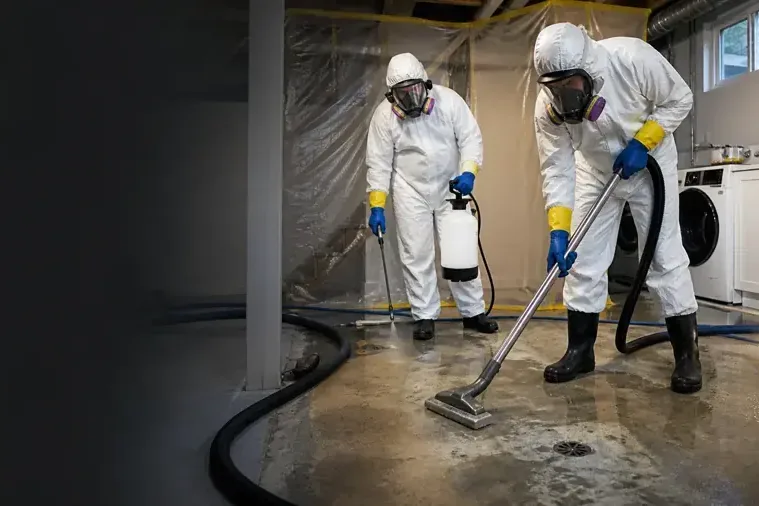
Floodwater can leave sediment behind floor coverings and wall finishes. Cleanup personnel remove contaminated porous materials, recover debris and clean retained hard surfaces. The scope follows contact and wicking, including layers above the most obvious water mark.
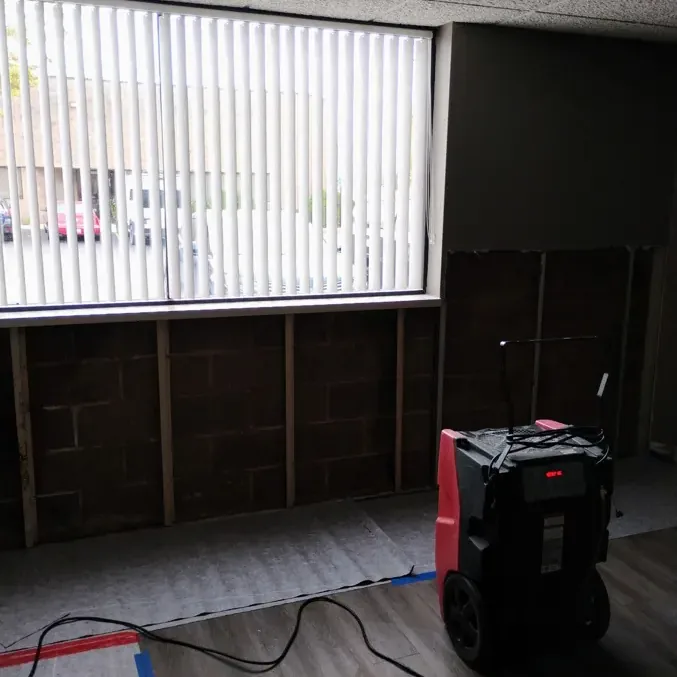
The drying team begins controlled evaporation after the removal and cleaning plan is in place. Airflow must not distribute dirty residue into clean occupied areas. Technicians assess slab, wood and masonry separately, selecting drying methods for the remaining assembly.
Build a clear flood-loss record
A flood record should show water entry, the initial material condition and the changes during mitigation. Contents lists and photographs taken before disposal help identify what was affected. The insurer determines which policy responds; outside flooding often follows different terms from a sudden indoor supply loss.
- Keep the discovery date and photographs of water levels and deposited sediment.
- Document removed flooring, insulation and wall material with the reason for removal.
- Retain equipment logs and repeat readings at the same marked locations.
- Confirm drying and any required specialist assessments before rebuilding the room.
Do not walk or drive through moving floodwater to reach a property. A flooded lower room may have electrical hazards, unstable materials or pressure conditions that make immediate pumping unsafe. Follow emergency instructions, keep occupants away from contaminated water and let trained responders assess entry, isolation and the removal sequence before work begins.
The visible water level is only part of a flood loss. Describe the outdoor entry route, sediment, wet contents and any unsafe access so cleanup personnel can plan removal and drying for the affected structure.
(888) 509-1696Discuss the flood boundaryWhat does storm and flood cleanup cost in Kelso, WA?
Storm and flood mitigation often ranges from $3,000 to $15,000 or more. Contaminated material volume, pumping access, sediment removal and structural saturation drive cost; extensive rebuilding can sit outside that mitigation range.
Limited outdoor entry
$3,000 to $5,000
- Controlled extraction
- Material assessment
- Hard-surface cleaning
Several flooded rooms
$5,000 to $9,000
- Contaminated layer removal
- Debris handling
- Expanded drying
Major saturation
$9,000 to $15,000+
- Multiple work zones
- Dense material monitoring
- Detailed loss documentation
Estimate only. Water category, affected materials and access determine the scope. Compare the inputs in the water damage cost calculator.
How storm and flood cleanup progresses
- 1
Assess entry
The response team checks current site hazards and contamination, then establishes safe access and records the water boundary before contents or materials move.
- 2
Recover water and debris
Cleanup personnel remove accessible floodwater and residue with a controlled waste route, documenting porous materials that require disposal as layers become exposed.
- 3
Clean the structure
The contractor cleans salvageable surfaces and applies appropriate labeled treatments, keeping unaffected rooms separated from the contaminated work and removal route.
- 4
Monitor the dry-out
Technicians measure retained framing, floors and masonry over time, adjusting equipment until the documented goals support the next repair stage.
Related water damage services in Kelso

Storm and Flood Cleanup questions in Kelso, WA
Is rainwater inside always clean?
Water that travels over ground, through drains or across contaminated surfaces can bring contaminants into a building. The contractor considers its route and contact history. Outdoor flooding requires a different assessment from a newly broken drinking-water pipe inside a clean room.
Should belongings be thrown out before an assessment?
Keep safe photographs and an inventory before disposal where possible. Do not handle contaminated or dangerously heavy items without a plan. The cleanup contractor assesses porous materials and salvageable hard contents, while the insurer may request records of the affected belongings.
Can fans start as soon as the water recedes?
Uncontrolled fans can spread contaminated residue through the building. Removal and cleaning decisions come first. The restoration team establishes containment and checks electrical safety before using air movers and dehumidifiers to dry the retained materials.
What if more rain is expected?
The source and temporary protection need attention before interior repairs close the assembly. Follow current warnings and access restrictions. The contractor can document the present damage and coordinate the drying plan with the measures needed to prevent repeated outdoor entry.
Does standard homeowners insurance pay for flooding?
Outside flooding often requires separate flood coverage, while other water sources follow different terms. The policyholder should contact the insurer with the entry history and photographs. Restoration personnel document the physical damage and work rather than promise a coverage result.
When can walls and flooring be replaced?
Contaminated material removal, cleaning and measured drying must reach the documented endpoint first. Some conditions need additional building or specialist assessment. The repair contractor should review the drying record and material requirements before closing cavities or installing new finishes.
Storm and flood cleanup in Kelso
Coverage includes ZIP 98626, West Kelso, Aldercrest and the Lexington Avenue area. Describe the entry point, affected rooms and safe access when arranging a visit.
Nearby service areas include Longview, Rainier and Ridgefield.
Plan cleanup after outdoor water enters
Flood cleanup professionals separate contaminated material, clean the retained structure and track moisture before rebuilding closes the wet assembly.
(888) 509-1696Set up the flood assessment