Water Damage Restoration in Rainier
A spreading puddle needs a clear starting point. Cleanup begins with the water source, the rooms it reached and a safe route for removing moisture from floors, walls and belongings.
(888) 509-1696Discuss the wet roomsA stopped leak still leaves wet materials behind. Extraction and drying address the damage that remains inside the building.
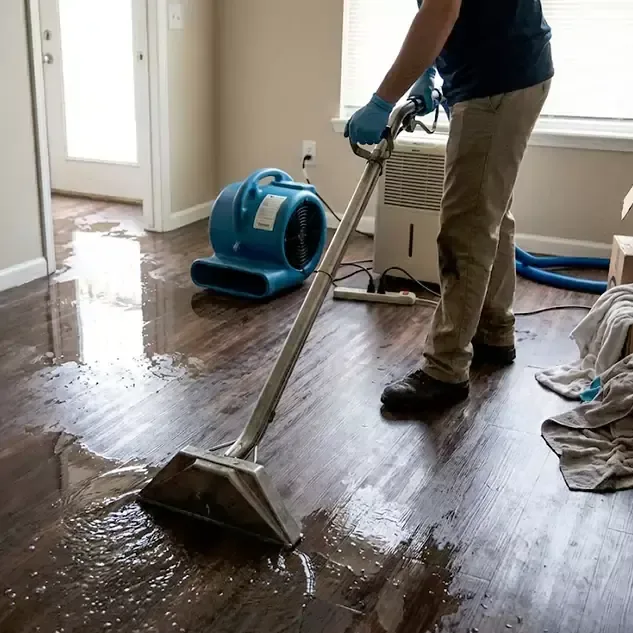
A sequence with a purpose at every stage
Cleanup works best when each action answers a specific question: where water came from, what it reached, what can remain and when the affected assembly can safely receive new finishes.
Help matched to the way water entered
A flooded floor, an overhead drip and a backed up drain need different decisions. The service options below explain what gets inspected, removed or dried for each situation.
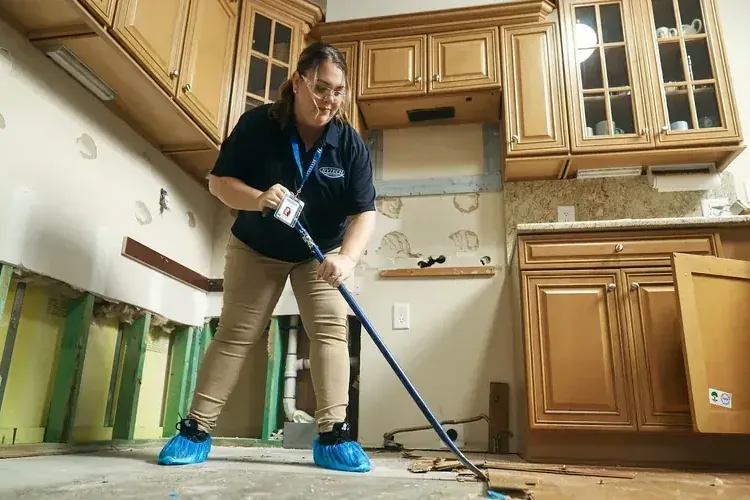
Water Extraction
Standing water can hide the edge of a soaked floor. Extraction clears the surface so adjoining rooms and concealed layers can be checked.
Removing standing water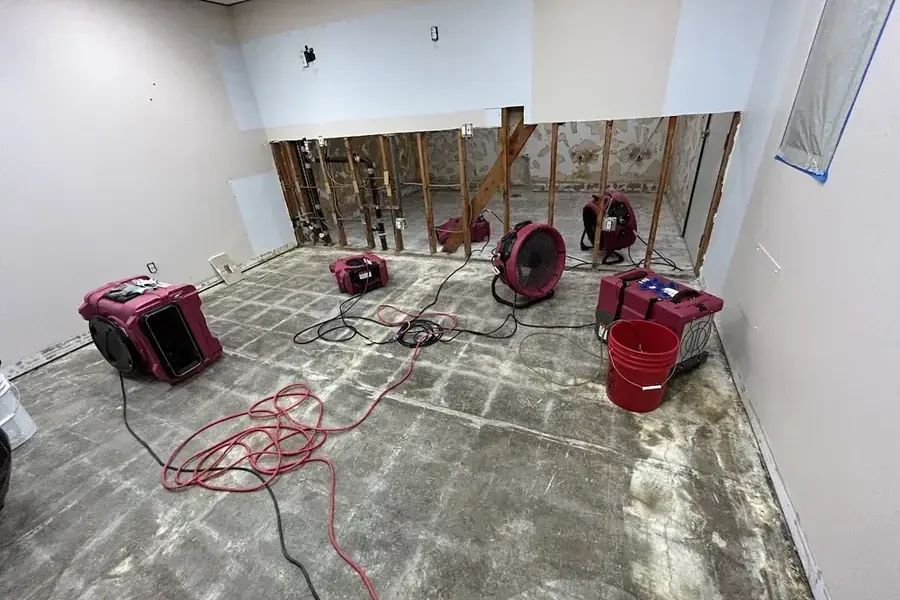
Slab Leak Water Damage
Moisture rising through a floor calls for source diagnosis and material testing. Cleanup follows the wet assembly after the plumbing fault is addressed.
Tracing moisture below the floor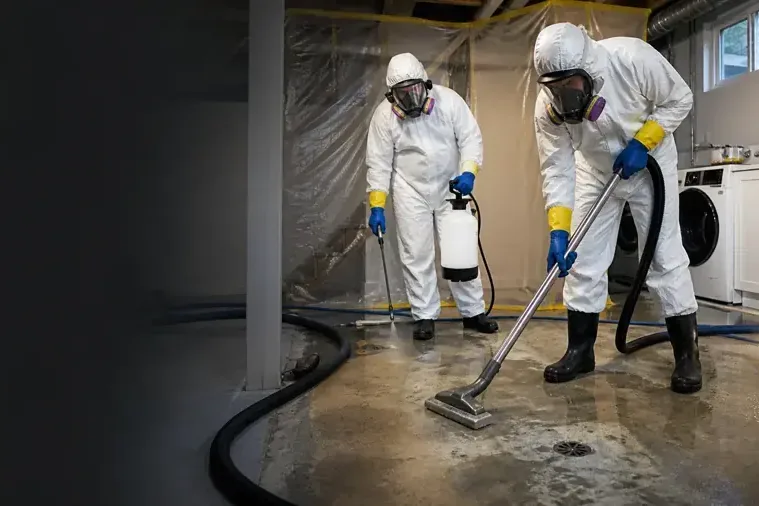
Sewage Backup Cleanup
Drain water requires separation from clean rooms, controlled removal and attention to contaminated belongings. Porous finishes need a different assessment from washable surfaces.
Containing a sewage backup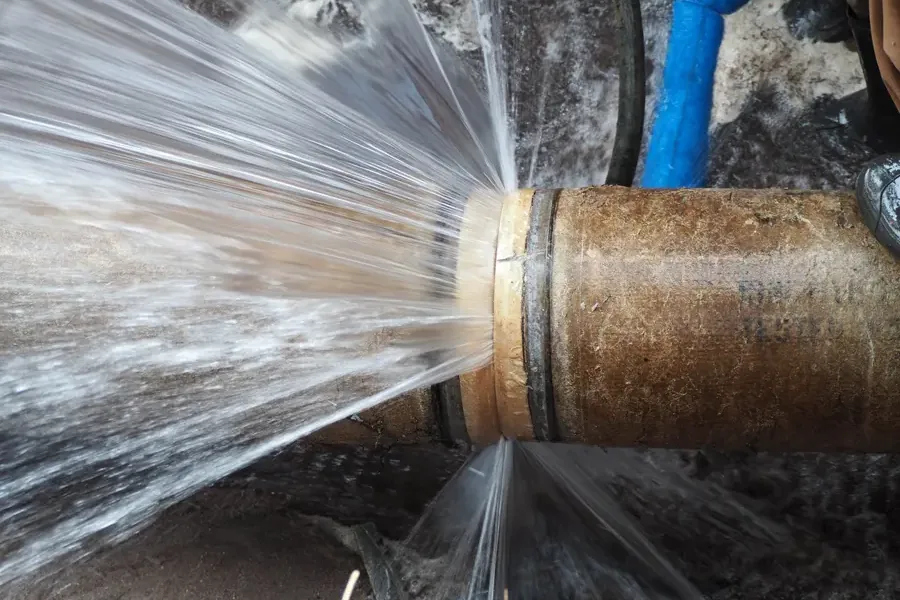
Burst Pipe Water Damage
A broken supply pipe can wet several levels through wall cavities. The damage assessment follows that route instead of stopping at the visible puddle.
From shutoff to cavity drying
Storm and Flood Cleanup
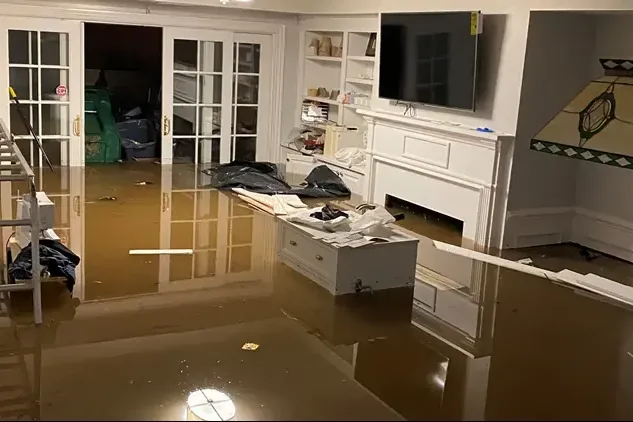
Outdoor water brings sediment and debris into the cleanup plan. Entry paths, access hazards and affected contents shape the work inside the building.
Assessing floodwater entry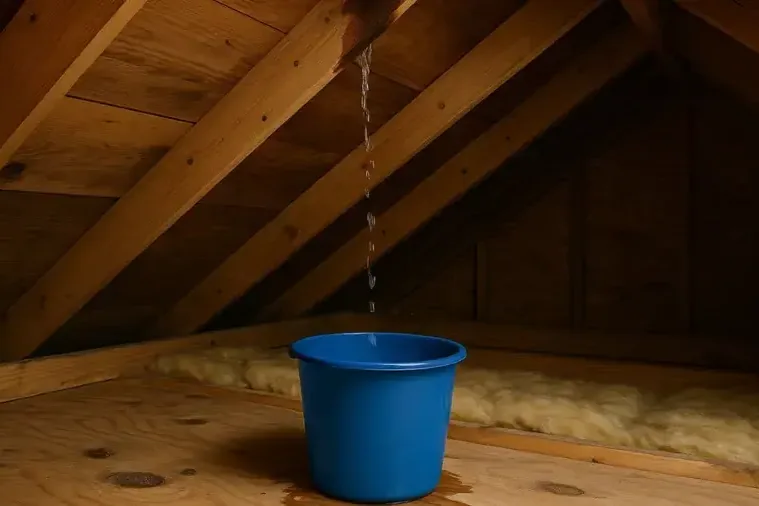
Roof Leak Water Damage
Roof entry may soak insulation before a stain appears indoors. Attic materials and the room below need coordinated checks after the opening is secured.
Drying the attic after a leak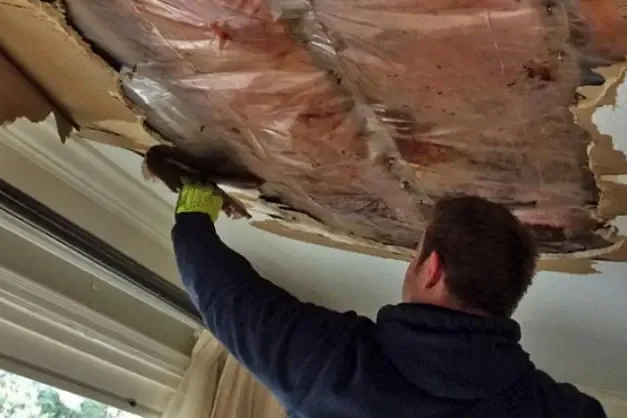
Ceiling Leak Water Damage
A sagging ceiling needs a protected area beneath it. Investigation identifies the overhead source before damaged drywall is removed and framing dries.
Checking wet ceilings safely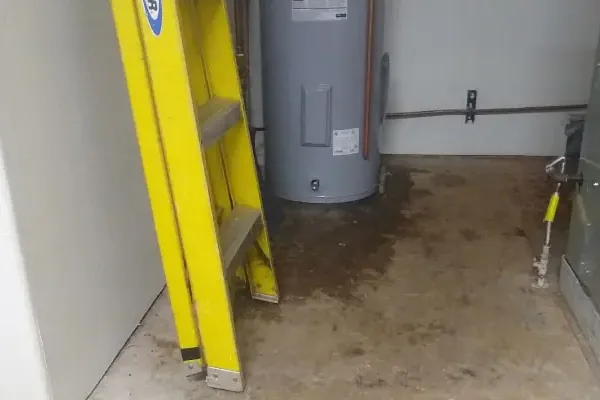
Water Heater Leak Cleanup
Tank leaks spread beneath closet walls and adjoining floor finishes. Cleanup accounts for the heater, nearby utilities and moisture beyond the equipment footprint.
Cleaning up a leaking tank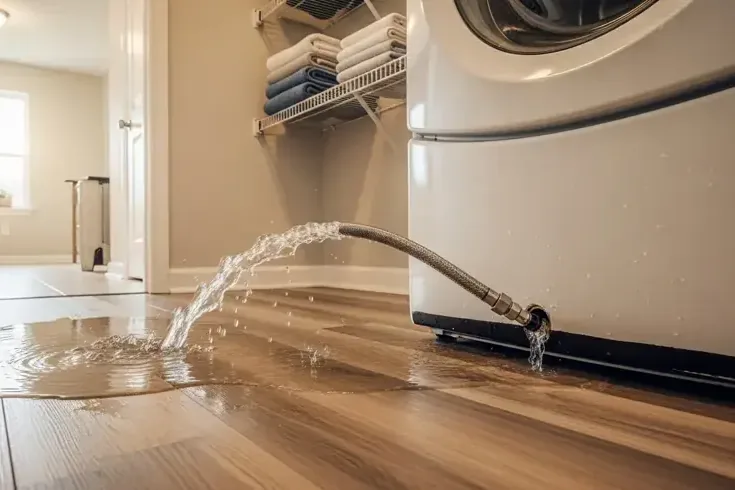
Appliance Leak Water Damage
A washer hose or dishwasher connection can wet cabinet bases out of sight. Inspection includes the appliance recess and adjoining storage areas.
Finding water behind appliances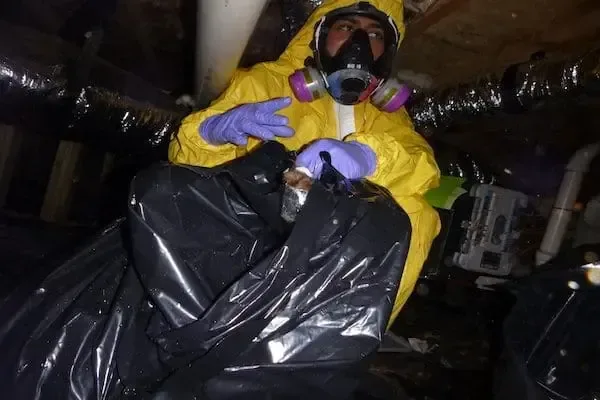
Crawl Space Water Removal
Underfloor water calls for safe access, a suitable removal route and checks of insulation and timber where the property has a crawl space.
Managing water below the house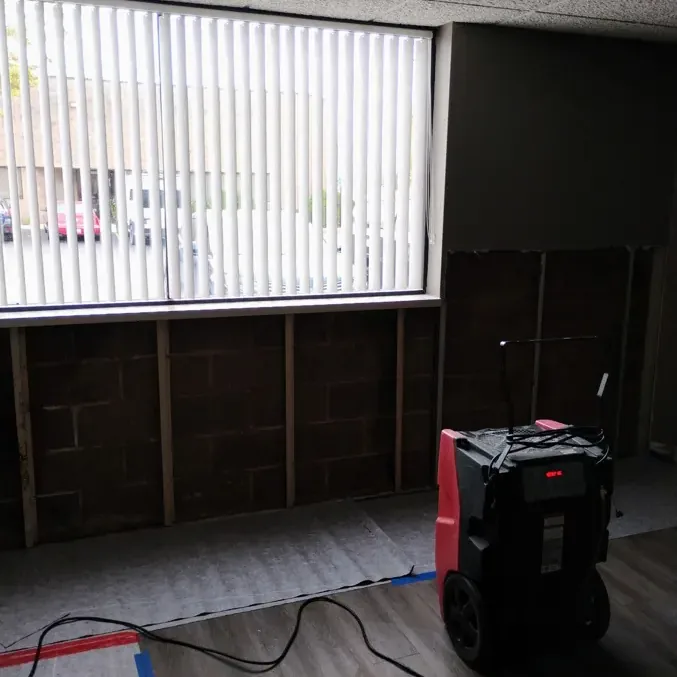
Structural Drying
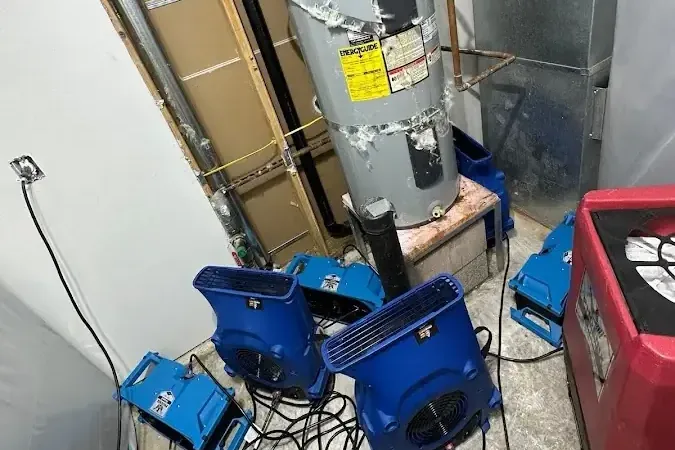
Drying decisions follow moisture measurements within the affected materials. Equipment placement changes as rooms, wall cavities and floor assemblies release trapped water.
Following material moisture readings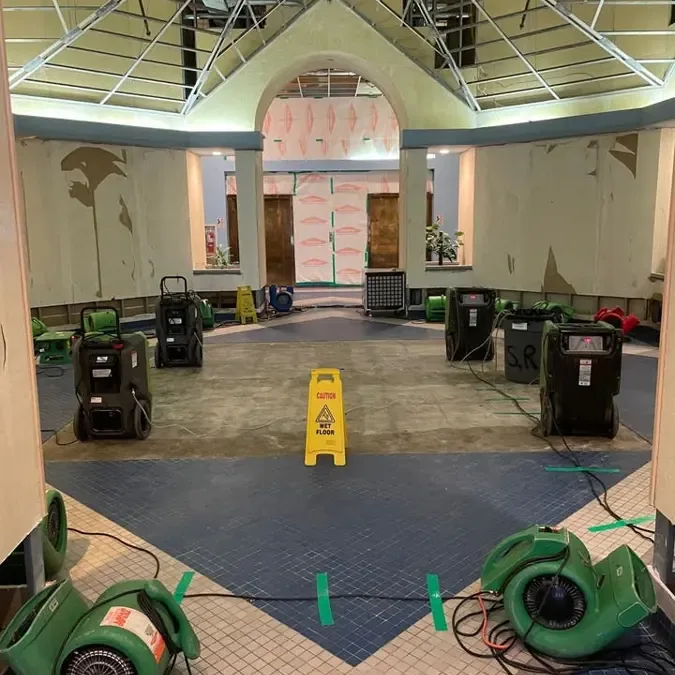
Commercial Water Damage
Business losses need protected access routes and organized contents records. Drying plans separate affected work areas from spaces that can remain in use.
Planning business cleanup access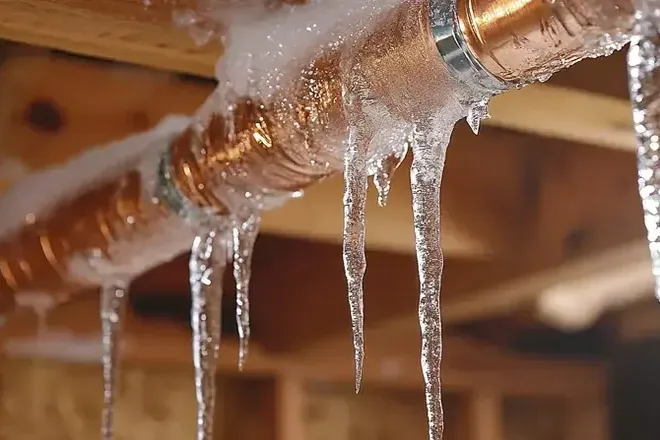
Frozen Pipe Water Damage
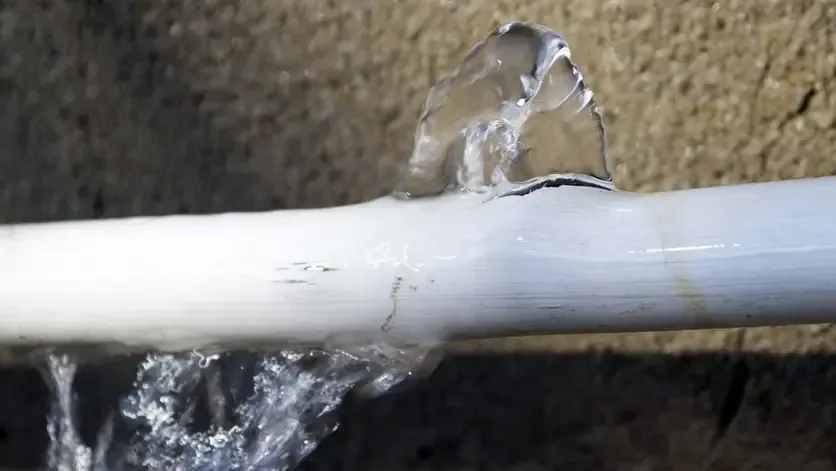
A thaw can reveal a split that stayed hidden while water was frozen. Cleanup starts with isolation and follows the newly released water.
Addressing leaks after a freezeKnow what needs attention next
A useful cleanup plan explains the wet boundary, the reason for each opening and the measurements required before finishes return. The owner receives decisions that can be followed.
Room specific scope
Each affected room receives its own description so a wet closet, adjoining hallway and downstairs ceiling do not disappear into one vague estimate.
Material level checks
Floor coverings, wall bases and insulation respond differently to water. Inspection identifies those differences before deciding which materials need removal or targeted drying.
Visible progress
Moisture records connect equipment use to the condition of the building. Changes in readings help explain the next adjustment in the drying arrangement.
Documented handoff
The final record should distinguish completed mitigation from outstanding plumbing, roof or finish repairs so the next contractor can understand the remaining work.
From moisture map to final readings
- Establish the source. The initial assessment separates an active supply problem from outdoor entry or drainage backup, then identifies the work needed to stop continuing wetting.
- Expose the wet boundary. Surface water removal and selective access make concealed damage easier to measure. Findings determine whether nearby cavities need further inspection.
- Dry the remaining assembly. Air movement and dehumidification are arranged around materials that can stay. Readings direct adjustments rather than the appearance of the exposed surface.
- Prepare a repair handoff. The closing notes describe material condition, removed finishes and unresolved repairs so reconstruction begins with a clear understanding of the affected area.
Arrange cleanup for the right location
Places that help identify access
Local ZIP
Other service locations
Identify the building before describing the damage
Rainier is in Columbia County, Oregon, on the south bank of the Columbia River. The Lewis and Clark Bridge connects the city with Longview, Washington.
Providing the state, property access details and affected level helps keep arrangements clear. Fern Hill and Hudson are surrounding rural communities; the property location should be specified when discussing availability.
(888) 509-1696Discuss property access and waterFollow the water at the property
Fox Creek runs north toward the Columbia River. Its corridor includes open channel and culvert sections, making outdoor entry a useful part of the initial conversation when water appears during heavy rain.
Creek corridor entry
The February 2020 evaluation described interconnected Fox Creek culverts. After outdoor water enters a building, inspection should record the doorway or low opening it crossed.
Separate supply problems
The city's water comes from the Columbia River. An indoor supply escape needs isolation at the property and inspection of the actual pipe connection.
Concealed floor moisture
A small visible puddle can extend underneath a finish. Testing adjoining floor edges helps locate the boundary that surface wiping leaves behind.
Overhead movement
A soft ceiling or fresh drip calls for a clear space below. Roof entry and plumbing leaks require different source repairs before closure.
Household coordination
Owner and renter households both need an access plan. Contacting the responsible property representative helps coordinate shutoffs, contents handling and permission for opening damaged finishes.
February 11 and 12, 2019: A large rain event caused severe flooding on private property between West C Street and US Highway 30.
Clear water and drain water need different handling
A recent supply escape
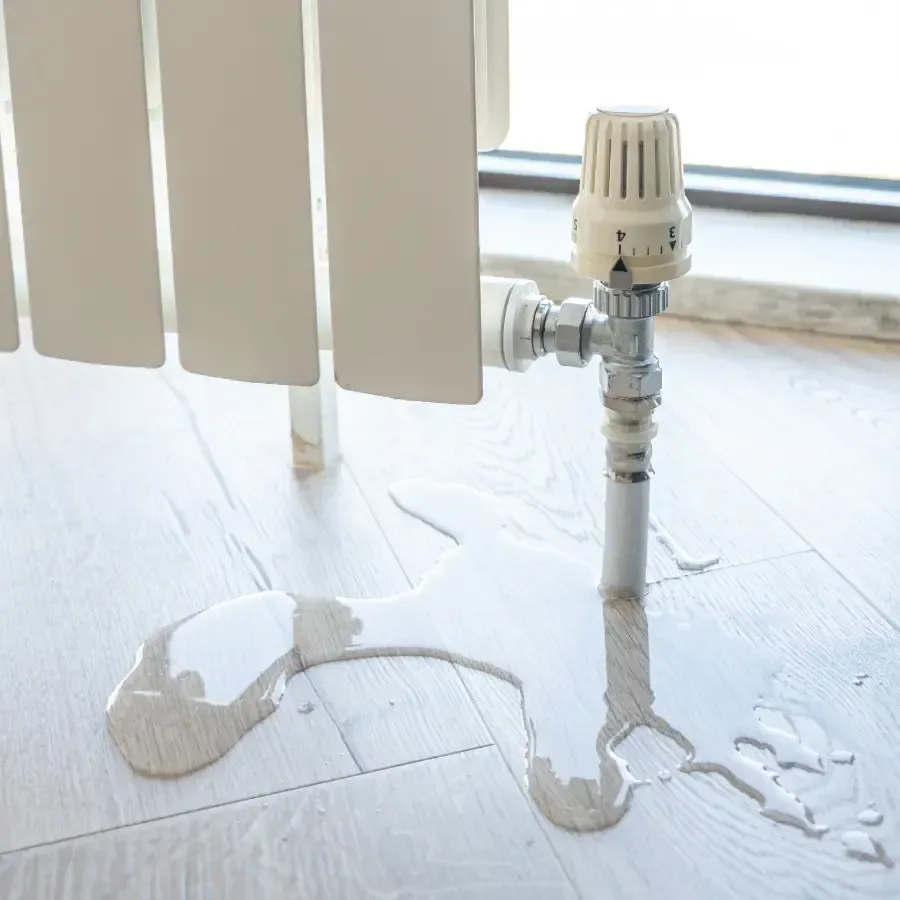
Water from a supply fault requires prompt extraction and an assessment of contact time, affected surfaces and hidden spread.
Follow the puddleWater behind working equipment
Appliance recesses can conceal wet cabinets and flooring. Access to the connection and surrounding materials helps define the cleanup.
Open the inspection areaA wastewater intrusion
Sewage cleanup includes containment and evaluation of porous contents. Drying alone cannot address material contaminated by a drain backup.
Separate the affected roomEquipment and access around the wet materials
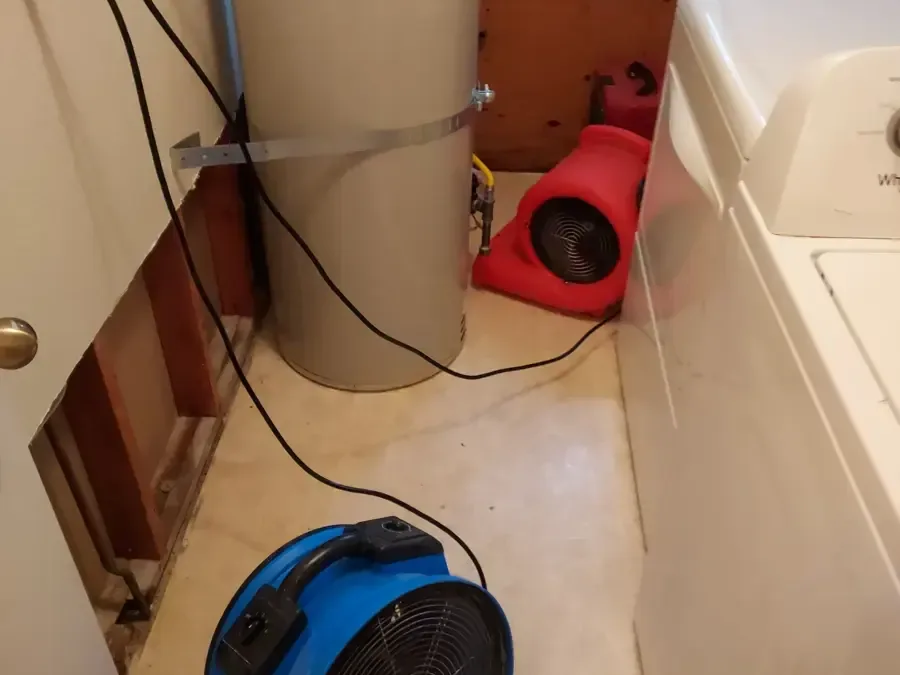
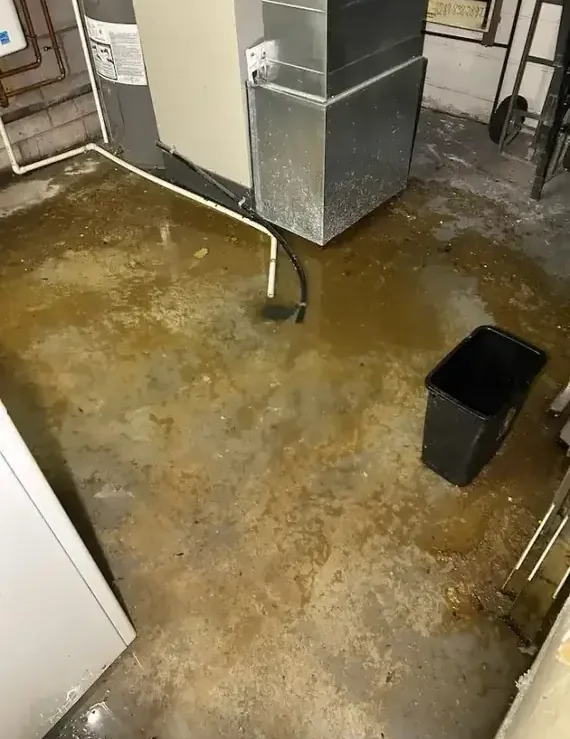
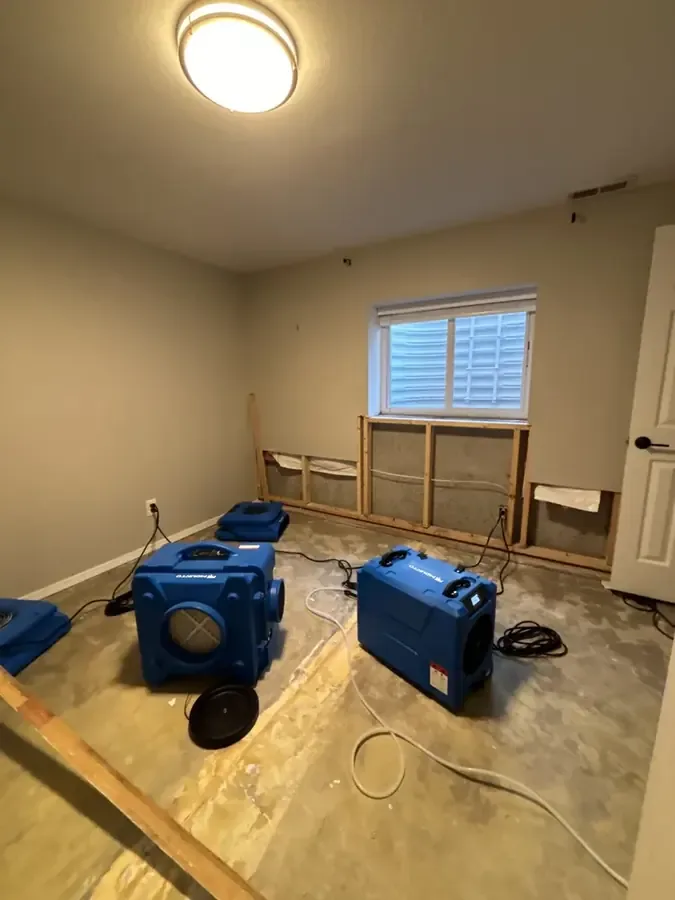
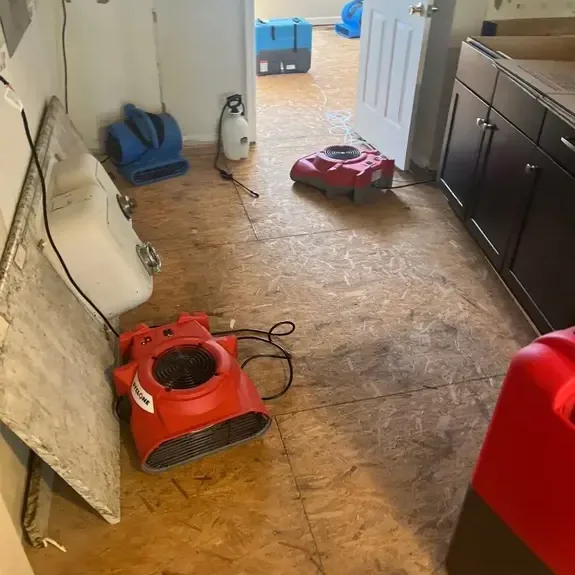
What does water damage cleanup cost in Rainier?
Planning ranges run from $1,000 to $8,000+ for different scopes of water damage. The affected materials, water condition and access determine the estimate, with source repairs and replacement finishes identified separately before work is authorized.
Limited room cleanup
$1,000 to $2,500
- Accessible wet surfaces
- Focused equipment placement
- Defined removal area
Several wet assemblies
$2,500 to $5,000
- Connected room assessment
- Concealed moisture checks
- Broader drying arrangement
Extensive interior damage
$5,000 to $8,000+
- Complex material removal
- Multiple affected levels
- Detailed contents handling
Keep the household away from avoidable hazards
- Keep a dry approach. People and pets should stay outside affected rooms when standing water reaches wiring, outlets or appliances. Electrical access belongs with a qualified professional.
- Stop use at the source. A reachable shutoff can limit a supply leak. Fixtures should remain unused when drainage is backing up, even if another sink still appears clear.
- Record the visible spread. Photographs from a safe doorway can show water height, affected furniture and the apparent source. Record when the problem was discovered and any changes.
- Separate dry belongings. Move accessible dry items away from the wet boundary without crossing contaminated water. Leave heavy furniture and saturated containers for an assessed handling plan.
- Explain the access conditions. Mention stairs, locked rooms, ceiling movement and any sewage odor. Those details help define the first inspection and appropriate equipment access.
Describe the loss clearly
Photographs and a simple timeline help connect the source to the damage. The policyholder can submit those records with the cleanup scope and ask the insurer about the applicable policy terms.
- Photograph the source from a safe dry position
- Record the discovery time and subsequent changes
- List affected rooms and damaged personal belongings
- Keep invoices for source repair and mitigation work
- Save moisture records alongside the written cleanup scope
Paying directly for cleanup
A property owner paying directly can request a scope divided into urgent water removal, drying and later repairs. That separation makes immediate decisions easier without concealing work still needed.
The estimate should also explain how newly exposed damage changes the scope. Approval for additional removal belongs in the record before further finishes are opened.
Plan before you call
Nearby service areas
Questions after water appears
What matters most when a room first floods?
Safety and continued water entry come first. People should avoid wet electrical areas, unstable ceilings and sewage. Once a safe approach exists, identifying the source and photographing the spread gives the cleanup assessment a practical starting point.
Can a floor look dry while moisture remains below?
Yes. The surface can lose its sheen while underlayment, cabinet bases or wall plates remain damp. Measurements at adjoining edges and accessible layers help determine whether extraction alone was enough or a more focused drying arrangement is needed.
Does creek flooding require a different cleanup?
Outdoor entry can carry sediment and contaminants into rooms. The affected materials and contents need evaluation for cleaning or removal, with a protected work area. The handling plan differs from a small, recent escape at an indoor supply connection.
Should a renter authorize removal of damaged walls?
The renter should notify the property manager or owner promptly and record the damage from a safe location. Decisions about opening walls and replacing fixed finishes should be coordinated with the responsible property representative, alongside any urgent protective actions.
Is the roof always responsible for ceiling water?
No. A pipe, upstairs fixture or equipment drain can also wet a ceiling. Inspection follows the overhead route and compares the pattern with when the water appeared. Source repair needs to match that finding before ceiling finishes are restored.
What records are useful for an insurance claim?
Keep discovery photographs, a timeline, the source repair invoice, a room inventory and the mitigation scope. Moisture records and later photographs show the condition as work progresses. The insurer determines coverage under the policy and may request additional documentation.
How is a drying finish point selected?
The decision uses measurements from affected materials, suitable comparison areas and the behavior of the assembly during drying. A dry feeling surface is only one observation. Persistent moisture prompts further investigation before insulation, flooring or wall finishes conceal the area.
Can belongings stay in a room during drying?
Some items can remain after assessment if they are protected and do not block equipment or inspection. Wet furniture, damaged containers and contaminated contents need separate handling. The plan should identify what moves, what stays and how each item is documented.
What should the final cleanup notes explain?
They should identify the original source, the affected rooms, materials removed and the condition of materials left in place. They should also distinguish completed drying from remaining repairs so the owner understands which trades or approvals are still needed.
Turn a wet room into a clear plan
A useful next step begins with the source, safe access and a description of the materials that water has reached.
(888) 509-1696Arrange a damage assessment