Water Extraction in Rainier
Water covering a room hides the condition underneath. Extraction removes the standing layer so flooring edges, lower walls and adjoining spaces can be examined before the remaining moisture is addressed.
(888) 509-1696Arrange removal of standing water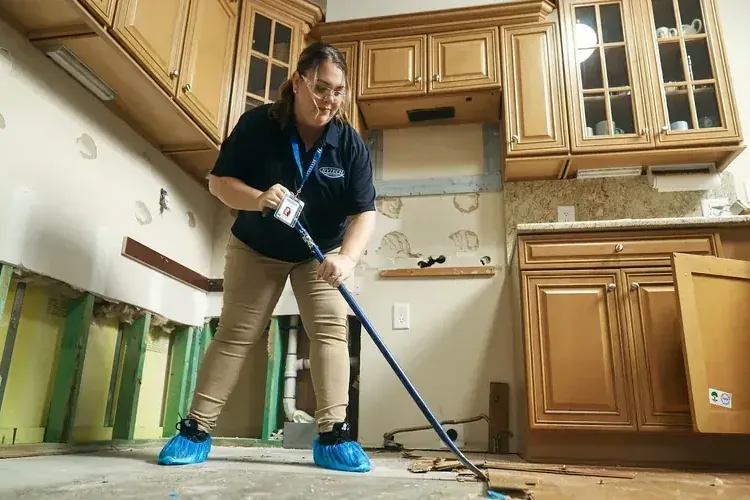
First steps for water extraction
- Describe the visible pool. Note the apparent source and whether water is still arriving. Mention debris, odor or outdoor entry so removal can be planned appropriately.
- Keep access above water. Use a dry entrance for communication and photographs. Avoid crossing the affected floor to reach a shutoff surrounded by wet electrical equipment.
- Identify vulnerable belongings. Point out furniture, storage boxes and loose floor coverings that contacted water. Leave heavy items in place until handling has been assessed.
- Retain the initial record. Save discovery photographs and source repair information. Those details help connect the extraction scope with the water path and later moisture measurements.
In Rainier, a room full of water calls for a source description before equipment is selected. A broken indoor connection and water crossing a doorway from outside can look similar on the floor, yet contact conditions change how the room and its contents are handled.
Separate outdoor entry from an indoor escape
Fox Creek flows toward the Columbia River, with culvert sections between West C Street and the outlet north of US Highway 30. When water appears during rain, the inspection should include the building opening where it entered as well as the rooms it reached.
An indoor escape calls for a different investigation. The supply fault needs isolation, and the visible puddle should be compared with moisture at wall bases and thresholds. A homeowner can record the discovery and source repair without walking through a wet electrical area.
Remove the water without losing the damage record
Photographs taken before removal preserve the visible extent of the loss. The extraction approach then depends on depth, debris, flooring and access. Contents may need relocation to expose wet surfaces, while fragile or contaminated belongings require separate handling and documentation.
- Record water beneath movable furniture before its location changes.
- Check door thresholds for spread into a room that appears unaffected.
- Inspect cabinet toe spaces where an open floor can drain inward.
- Keep extraction hoses away from the household's safe exit route.
A cleared surface still needs an inspection
Once standing water is removed, concealed layers become the main question. Carpet backing, underlayment and lower wall assemblies can retain moisture after the room looks better. Testing those areas determines where targeted structural drying belongs in the cleanup plan.
Materials that have lost strength or absorbed contaminated water need a separate removal decision. The scope should explain what stays, what is opened and how the remaining assembly will be measured. That record prevents a clean looking floor from becoming the only reason to close the job.
Standing water near sockets, extension cords or electrical equipment is a reason to keep the room empty. Household vacuum cleaners are unsuitable for water removal. A qualified electrical assessment should establish a safe approach before anyone enters to retrieve items or operate equipment.
A flooded room needs an assessment that connects the source with the entire wet footprint. Describe the surface water, nearby electrical concerns and the route into the building to begin planning removal.
(888) 509-1696Discuss the pooled waterWhat does water extraction cost in Rainier, OR?
Water extraction in Rainier generally uses planning ranges from $500 to $3,000+. Floor access, the size of the wet area and removal conditions shape the scope; drying and material replacement need separate clarification.
Small accessible area
$500 to $1,000
- Open floor access
- Limited standing water
- Simple hose routing
Several rooms
$1,000 to $2,000
- Connected wet surfaces
- Multiple room checks
- Contents access planning
Difficult access
$2,000 to $3,000+
- Restricted equipment approach
- Complex removal conditions
- Additional handling needs
Estimate only. Water category, affected materials and access determine the scope. Compare the inputs in the water damage cost calculator.
How water extraction progresses
- 1
Classify the affected area
The inspection considers the source, contacted materials and access hazards. Findings determine protective measures before removal begins across the wet floor.
- 2
Extract accessible water
Suitable extraction equipment clears pools and recoverable surface water. The operator follows room boundaries and manages hoses around protected access routes.
- 3
Inspect exposed edges
The cleared area is checked at thresholds, wall bases and floor transitions. Remaining moisture defines where further access or drying is necessary.
- 4
Document the next scope
The handoff identifies wet materials still in place and any removal recommendations. A separate drying arrangement follows the measurements rather than appearance alone.
Related water damage services in Rainier
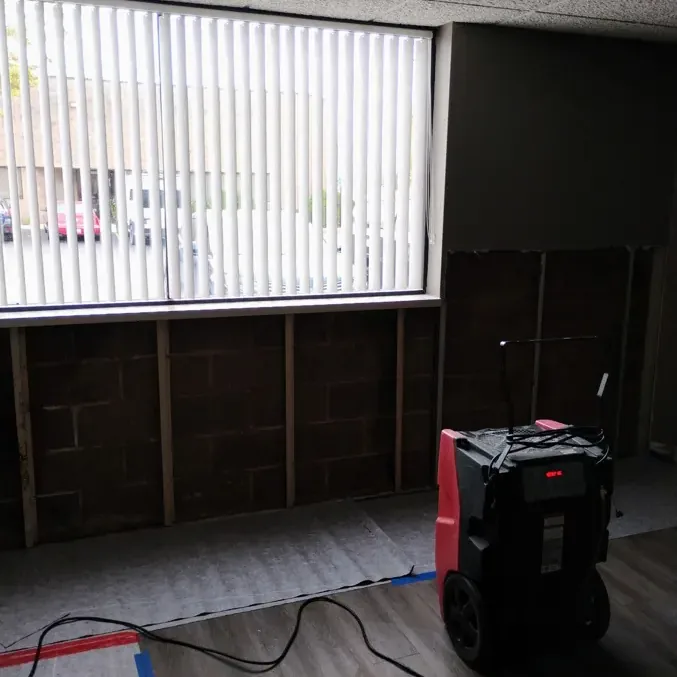
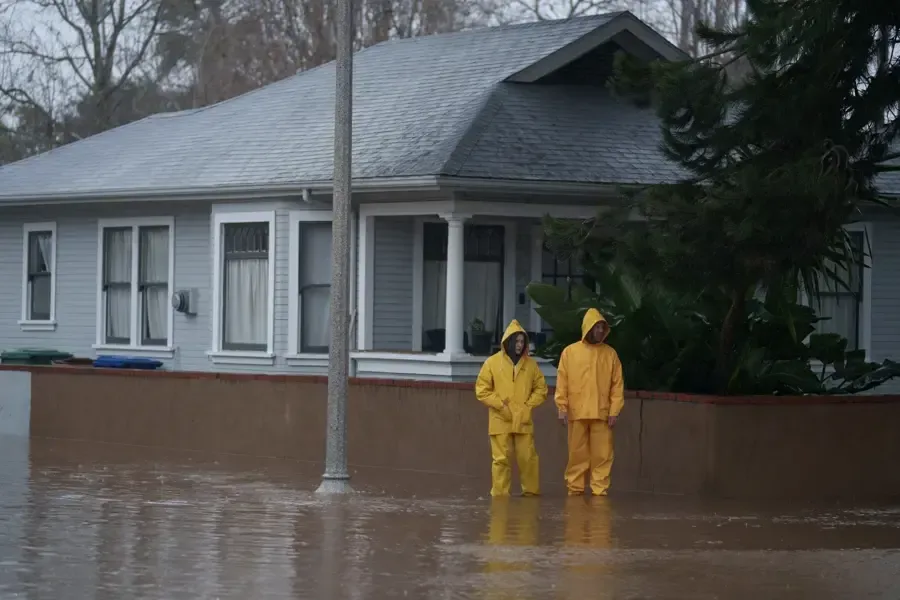
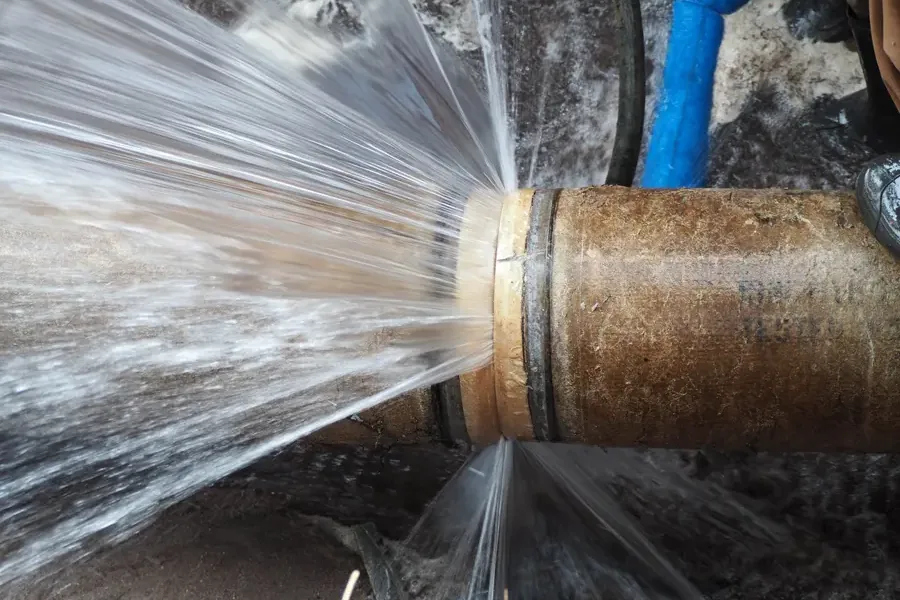
Water Extraction questions in Rainier, OR
Is extraction enough to finish the cleanup?
Extraction clears water that equipment can recover from the surface and accessible materials. Moisture can remain inside flooring or wall cavities. The post extraction assessment determines whether drying, selective removal or both are necessary before repairs cover the affected area.
Can extraction start while a pipe still leaks?
The source needs attention immediately because continuing flow can refill cleared rooms. A reachable shutoff may stop a supply escape, while a plumbing professional addresses the fault. Removal and source control should be coordinated around a safe work area.
What changes when water came in from outside?
Outdoor water may bring debris and contamination into contact with finishes and contents. The cleanup plan must account for those conditions before deciding what can be retained. Protective separation and material removal may be needed alongside extraction equipment.
Will wet carpet always have to be removed?
The answer depends on the water condition, exposure, backing and material condition. A surface assessment alone cannot settle the decision. Inspection should include the cushion and floor underneath, with the retention or removal recommendation explained in the written scope.
Should furniture be moved before the assessment?
Accessible dry belongings may be relocated safely, but heavy or saturated furniture needs a handling plan. Moving it through contaminated water can spread the problem. Photographs and an inventory help preserve the damage record before larger items change location.
What identifies the end of water removal?
The accessible standing water has been recovered and the room is ready for a meaningful moisture assessment. That milestone differs from completed drying. Remaining wet assemblies, equipment needs and unresolved source work should be identified before the next stage begins.
Water extraction in Rainier
Rainier properties in ZIP 97048 can be discussed with the affected floor level, entrance conditions and water source ready for the initial assessment.
The same service nearby: water extraction in Kelso, Longview, Ridgefield.
Floor level and access details help
Photographs and a short account of when water appeared make the initial discussion more useful while the affected room remains protected.
(888) 509-1696Plan safe floor access