Water Extraction in Ridgefield
A puddle crossing a doorway can reach far beyond the room where the leak began. Extraction starts by stopping additional water and finding the full wet footprint before drying equipment is arranged.
(888) 509-1696Discuss pooled water removal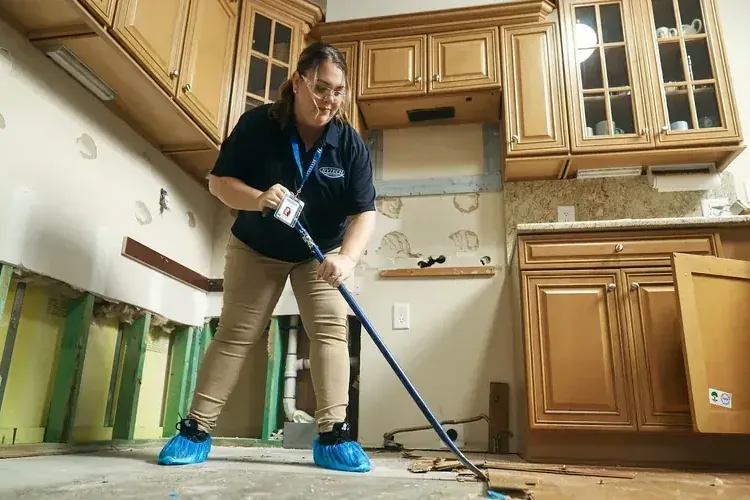
First steps for water extraction
- Describe the active source. Identify whether water is still escaping and whether the shutoff can be reached from a dry position without crossing electrical hazards.
- Leave unsafe areas empty. Keep foot traffic away from slippery surfaces and any water of uncertain origin while the removal approach and safe access are assessed.
- Prepare an unobstructed approach. Light dry items can be moved from the access route, but soaked heavy furniture and unstable flooring should remain for professional assessment.
- Save a visual record. Photograph the puddle boundary and the source from safe locations so later discussions can distinguish the original spread from subsequent removal work.
The first useful boundary is often farther out than the visible puddle. Water can slip under a door, collect beneath a rug, or follow the edge of fitted cabinetry. In Ridgefield, municipal shutoff assistance provides an option when a customer cannot control the water supply. Source control comes before deciding how to remove the escaped water.
Find where the floor connects
An assessment in Bellwood Heights should include the room beside the obvious spill when flooring continues beneath the doorway. At a Cedar Ridge property, an enclosed closet may need its own moisture checks even if the main room has already been mopped. These checks establish the actual extent of the loss.
Furniture bases, transitions between flooring types, and perimeter trim can obscure retained water. The extraction approach depends on accessibility and the material involved. A removable rug presents a different problem from water held beneath an installed floor, where the surface alone may provide little access to moisture underneath.
Remove liquid without hiding the next task
Extraction equipment collects water that can be reached safely. Absorbent layers require separate decisions about contamination and condition. Saturated padding, distorted flooring, or wet material behind a cabinet base may need selective removal so that the supporting surface can be assessed and dried.
- Identify whether the source was a supply pipe, appliance discharge, or outdoor entry.
- Check adjoining floor edges before assuming a doorway stopped the water.
- Separate recoverable contents from items that obstruct access to the wet floor.
- Describe inaccessible layers in the scope rather than leaving them beneath new finishes.
Turn an emptied floor into a drying area
Once the standing water is gone, material drying addresses moisture still held in the building. A Discovery Ridge owner should receive an explanation of equipment placement, access restrictions, and the measurements that will support removing the equipment. Extraction and drying solve different parts of the same loss.
The estimate should also identify any plumbing repair still needed. Removing escaped water cannot prevent another release from an unrepaired connection. A final walk through can compare the wet area record with the surfaces ready for subsequent repair and identify any remaining concealed access requirements.
Do not enter standing water around electrical outlets or powered appliances. A household vacuum is unsuitable for water collection. If the puddle contains sewage or outdoor contamination, keep people and animals outside the affected area until a suitable cleanup plan is established.
A clear account of where water is pooling helps establish the removal approach. Describe the original source, floor coverings, and whether another room or level is wet before discussing equipment and access.
(888) 509-1696Assess the standing waterWhat does water extraction cost in Ridgefield, WA?
Ridgefield water extraction costs change with the amount of accessible water, floor coverings, and entry restrictions. The following ranges help frame removal work; retained moisture and necessary material removal can add separate tasks.
Small accessible area
$500 to $1,000
- Open floor access
- Limited pooled water
- Simple equipment placement
Several rooms
$1,000 to $2,000
- Connected wet surfaces
- Multiple flooring edges
- Broader extraction passes
Difficult access
$2,000 to $3,000+
- Restricted work space
- Obstructed water pockets
- Additional material handling
Estimate only. Water category, affected materials and access determine the scope. Compare the inputs in the water damage cost calculator.
How water extraction progresses
- 1
Establish water boundaries
The initial assessment follows the spill across room transitions and checks materials around the edge to define a realistic removal and drying scope.
- 2
Choose extraction access
Equipment and access openings are selected for the affected surfaces, with attention to contamination, fragile finishes, and concealed pockets that cannot be reached directly.
- 3
Collect and reassess
Removal exposes areas previously hidden beneath standing water. The remaining material condition determines whether more access, disposal, or focused drying is needed.
- 4
Document the next stage
The post extraction record identifies retained wet materials and explains the drying setup, so the owner can distinguish cleared floor water from completed restoration.
Related water damage services in Ridgefield
Water Extraction questions in Ridgefield, WA
Is mopping enough after a large indoor spill?
Mopping can remove surface water but leaves moisture in absorbent layers and concealed edges. A larger spill needs an assessment of adjoining surfaces and floor assemblies. The result determines whether extraction, selective removal, and equipment drying are appropriate.
Can a wet carpet always stay in place?
That depends on the water source, elapsed exposure, backing condition, and material beneath it. Contamination or trapped moisture can make removal necessary. The decision should cover the padding and supporting floor as well as the visible carpet surface.
Does extraction include repairing the leaking pipe?
Water removal and plumbing repair are separate tasks. A damaged supply connection must be repaired by an appropriate plumbing professional. The cleanup scope should show how source control is coordinated and what escaped water remains in the surrounding building.
Why check a room without a visible puddle?
Water can travel beneath continuous flooring and through gaps at wall bases. The adjoining room may therefore contain damp layers while its surface looks ordinary. Moisture checks help establish where the removal and drying work should actually stop.
Can occupants walk across the floor afterward?
Access depends on contamination, slip hazards, exposed materials, and equipment placement. A cleared puddle does not automatically make the room ready for normal use. The work plan should identify safe routes and any surfaces that remain restricted during drying.
What indicates that removal work is finished?
Accessible standing water should be collected and remaining wet layers identified. Completion of extraction is followed by a drying assessment, not simply a visual inspection. The record should explain what still holds moisture and how that moisture will be addressed.
Water extraction in Ridgefield
Extraction assessments can address properties in Bellwood Heights, Cedar Ridge, and Discovery Ridge, with entry conditions and the affected floor coverings discussed before work begins.
The same service nearby: water extraction in Kelso, Rainier, Longview.
Source status and floor access matter first
The next step is a removal scope that accounts for connected spaces and explains how the remaining wet materials will be dried.
(888) 509-1696Discuss extraction for this property