Crawl Space Water Removal in Kelso, WA
Water beneath a raised floor can wet insulation and framing without flooding the living room. Kelso restoration professionals assess safe underfloor access, remove pooled water and measure the materials above it.
(888) 509-1696Assess water under the building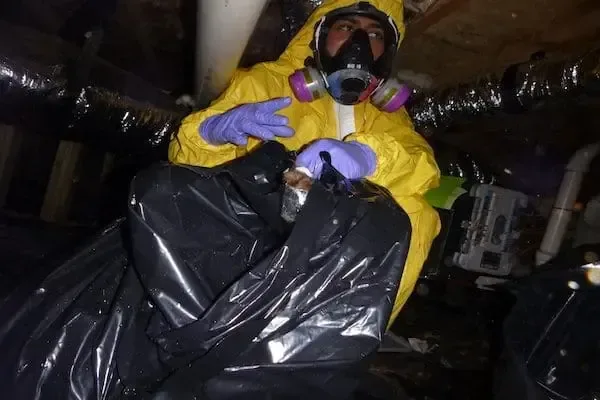
First steps for crawl space water removal
- Stay outside the opening. Keep clear of an underfloor space containing water or unknown hazards. Safe entry requires assessment of electricity, contamination, clearance and support conditions.
- Describe recurring water. Note whether pooling appears during rain or plumbing use. The team uses that history to distinguish restoration work from source correction.
- Protect the living area. Avoid carrying wet insulation or debris through occupied rooms. Cleanup personnel establish a controlled removal route before disturbing underfloor materials.
- Ask about framing checks. Pumping is only one stage. The drying plan needs readings from joists and subfloor material that absorbed water above the pool.
A crawl space needs a different access plan from an open room. Limited headroom, electrical equipment and hidden obstructions can make entry unsafe. The contractor identifies the source and contamination before choosing pumping, material removal and drying methods.
Identify why water collects below the floor
A supply leak, drainage defect or outdoor entry can produce a similar-looking pool. The team records where water appears, whether it returns and which building surfaces it contacts. A plumber corrects a failed pipe; drainage or exterior work may require another appropriate trade.
The Cowlitz River setting is relevant to outdoor-water questions, but a crawl-space pool in West Kelso still needs its own source investigation. In Aldercrest, visible ground movement or structural distress also requires qualified safety assessment before restoration personnel work under the building.
- Describe the access opening and any known electrical or plumbing equipment below.
- Report whether pooling follows rain, fixture use or a continuing supply leak.
- Keep occupants out of the underfloor space until entry conditions are assessed.
- Record wet insulation, fallen material and water contact with framing.
Remove water without leaving saturated layers
Pumping clears recoverable liquid but may leave wet insulation against floor framing. Cleanup personnel evaluate contamination and material condition before deciding what comes out. The removal route should protect living areas and avoid carrying dirty debris through occupied rooms.
Technicians measure joists and the underside of the subfloor after access is safe. Controlled airflow and dehumidification address retained moisture in the materials that remain. The wood assembly above the pool needs its own material readings before repair.
Check recurrence before the work closes
The drying record should identify the source correction and any unresolved drainage or access issue. A recurring pool can rewet a completed drying zone. The owner needs a clear distinction between restoration of the present loss and permanent correction of the condition feeding it.
- Document pumping, removed insulation and the condition of retained framing.
- Mark repeat reading points at joists and subfloor sections reached by water.
- Keep plumbing or drainage findings with the restoration scope.
- Confirm access panels and protective ground coverings return only after the work allows it.
Do not crawl into pooled water beneath a building to inspect a pipe or retrieve belongings. Low clearance can hide energized wiring, sharp debris, contaminated water or unstable supports. Stay outside the opening, describe the visible conditions and let qualified personnel assess electrical isolation, structure and entry before pumping or material removal begins.
A dry living-room floor can sit above wet joists and insulation. Describe the underfloor opening, recurring water and known hazards so the assessment includes the assembly above the pool as well as the water itself.
(888) 509-1696Plan a safe underfloor assessmentWhat does crawl space water removal cost in Kelso, WA?
Crawl space water removal and drying often costs $1,500 to $7,000. Access clearance, water depth, contamination and insulation removal affect the scope, with permanent drainage or structural repairs priced separately.
Accessible pooled water
$1,500 to $2,500
- Safe pumping setup
- Source observations
- Framing checks
Wet underfloor assembly
$2,500 to $4,500
- Insulation decisions
- Controlled removal route
- Joist drying
Restricted or contaminated space
$4,500 to $7,000+
- Additional access controls
- Expanded material removal
- Monitoring records
Estimate only. Water category, affected materials and access determine the scope. Compare the inputs in the water damage cost calculator.
How crawl space water removal progresses
- 1
Assess entry conditions
The contractor checks access, electricity and structural concerns, then identifies the likely water source and contamination before selecting the underfloor work method.
- 2
Remove recoverable water
Technicians pump accessible liquid and establish controlled handling for wet debris, documenting where water contacted insulation, support members and the underside of flooring.
- 3
Dry the retained assembly
The drying team manages the underfloor air and measures joists and subfloor material, adjusting equipment where restricted spaces slow moisture release.
- 4
Confirm source and endpoint
The contractor records final material readings and source-correction status, identifying any separate drainage or structural work needed to prevent the same space from rewetting.
Related water damage services in Kelso
Crawl Space Water Removal questions in Kelso, WA
Can pumping alone solve crawl-space water damage?
Pumping removes liquid but does not necessarily dry insulation, joists or the subfloor above it. The contractor assesses those materials and the source of recurrence. A complete mitigation scope includes appropriate removal, controlled drying and documented material readings after water recovery.
Is entering through the access hatch safe?
Not automatically. Water can conceal electrical hazards, sharp objects, contamination and unstable supports. Restricted clearance also complicates movement and rescue. Describe what is visible from outside and leave entry to personnel who can assess the conditions and establish a safe plan.
Does wet insulation always stay in place?
Insulation condition, contamination and access determine the decision. Material holding water against wood may need removal so the framing can dry. The contractor should photograph the assembly and explain what is removed, retained or replaced before closing the underfloor work.
What if the pool returns after rain?
The source may need drainage or exterior correction beyond cleanup of the present loss. Record when water returns and where it appears. The restoration team can document the recurrence, but the appropriate trade must address the condition that keeps feeding the space.
How are joists checked for drying?
Technicians use material measurements at marked affected locations and compare them with a suitable dry reference. Air humidity alone cannot clear wet wood. Repeat readings show whether the equipment is working and whether more access or another method is needed.
Does this service apply to every local home?
The service applies to buildings that have an accessible underfloor space affected by water. Foundation and floor assemblies vary by property. The contractor confirms the structure, access and actual damage before selecting pumping equipment or describing the required drying scope.
Crawl space water removal in Kelso
Coverage includes ZIP 98626, West Kelso, Aldercrest and the Lexington Avenue area. Describe the entry point, affected rooms and safe access when arranging a visit.
Nearby service areas include Longview, Rainier and Ridgefield.
Remove pooled water and dry the framing above it
The restoration contractor evaluates access, contamination and retained moisture, then documents underfloor drying and any source work still needed.
(888) 509-1696Discuss the underfloor water