Water Damage Restoration in Longview
A spreading puddle can soak far beyond its visible edges. Longview property owners can arrange extraction, damaged material removal and measured drying after the water source has been brought under control.
(888) 509-1696Discuss the wet roomsA stopped leak still leaves wet surfaces and hidden layers. Cleanup planning starts with the rooms and materials actually affected.
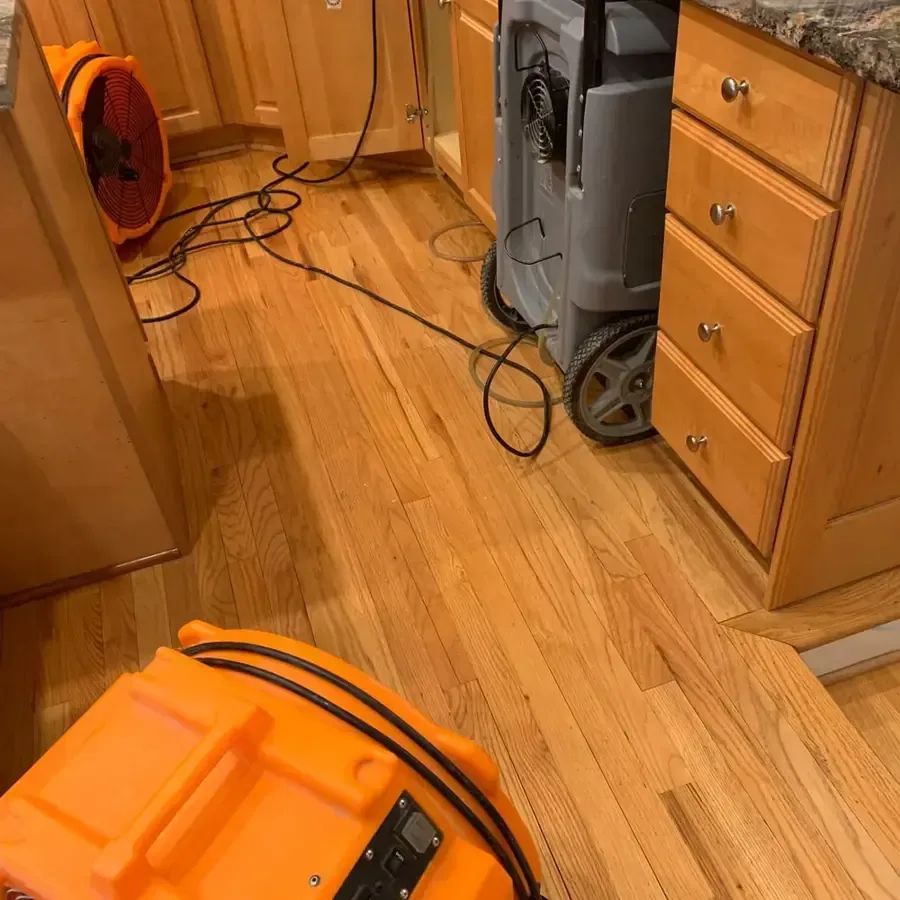
Drying follows a measured sequence
A room can look tidy while moisture remains beneath its finishes. Extraction, selective access and controlled drying work together, with completion based on material readings rather than surface appearance alone.
Cleanup shaped around the water source
The starting point may be a broken supply pipe, outdoor runoff or a leaking appliance. Each situation calls for a different inspection, handling method and drying arrangement.
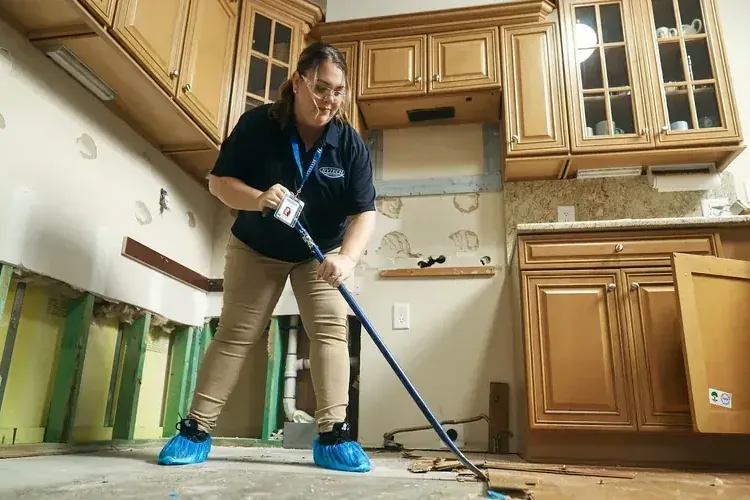
Water Extraction
Standing water needs removal before drying equipment can work effectively. Extraction reaches open floors, carpet edges and accessible pockets beneath affected furnishings.
Removing standing water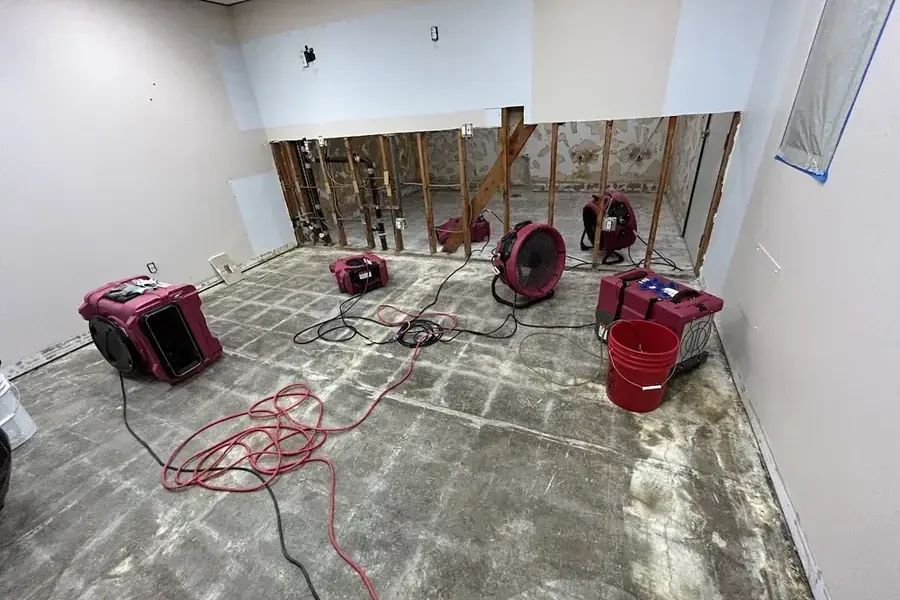
Slab Leak Water Damage
An underfloor pipe failure can leave flooring damp after the plumbing repair. Moisture mapping helps separate surface wetness from deeper saturated layers.
Tracing moisture below the floor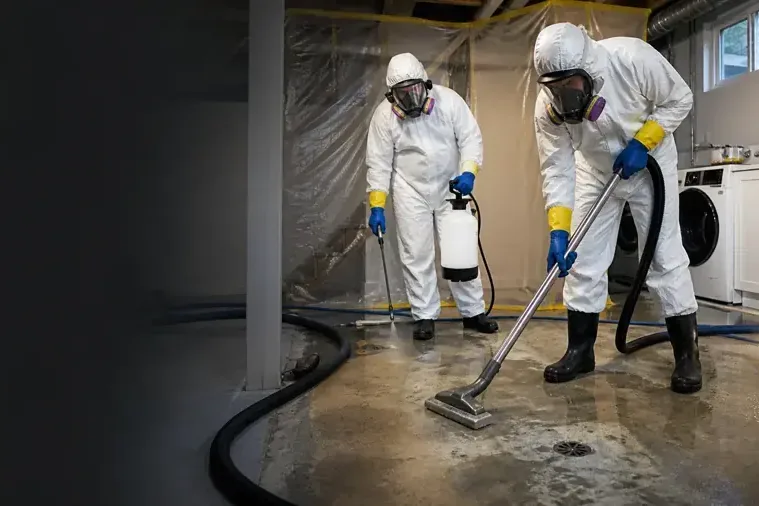
Sewage Backup Cleanup
Wastewater requires restricted access and careful handling. Cleanup includes contaminated material decisions, surface cleaning and drying after the drain problem is addressed.
Containing a sewage backup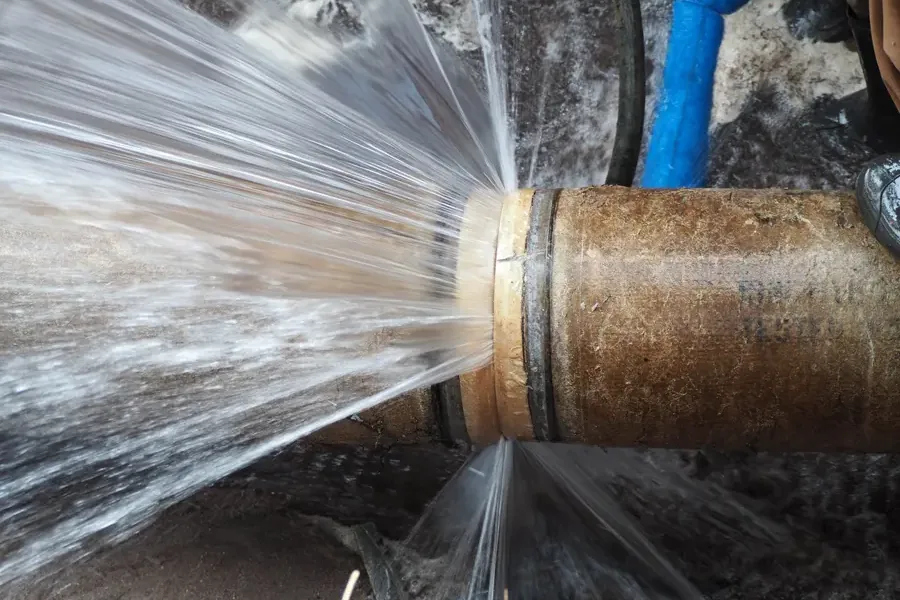
Burst Pipe Water Damage
A broken pipe can wet several rooms through connected cavities. Restoration follows that spread instead of stopping at the visible plumbing opening.
From shutoff to cavity drying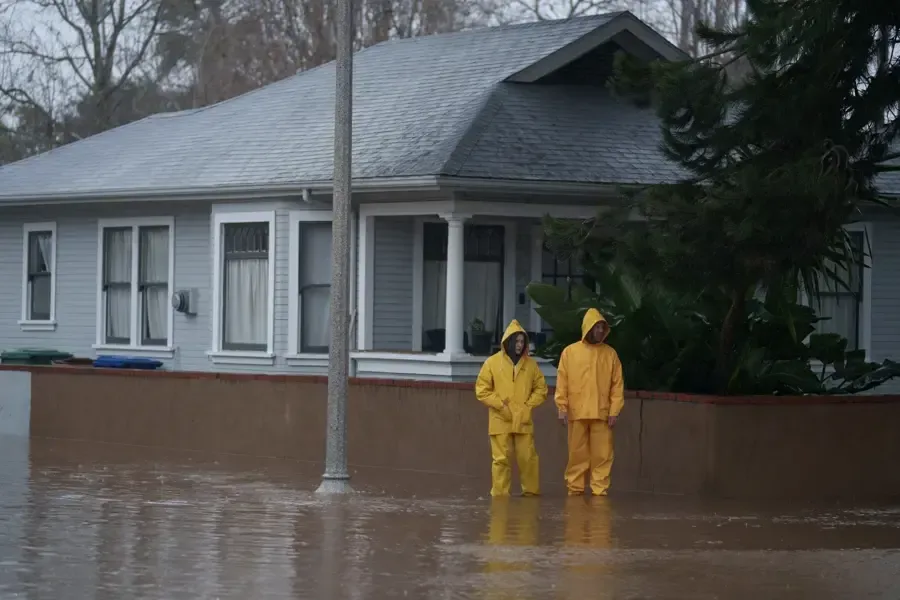
Storm and Flood Cleanup
Outdoor water brings soil and debris indoors. Flood cleanup considers entry routes, wet wall assemblies and safe handling before any finish repairs begin.
Assessing floodwater entry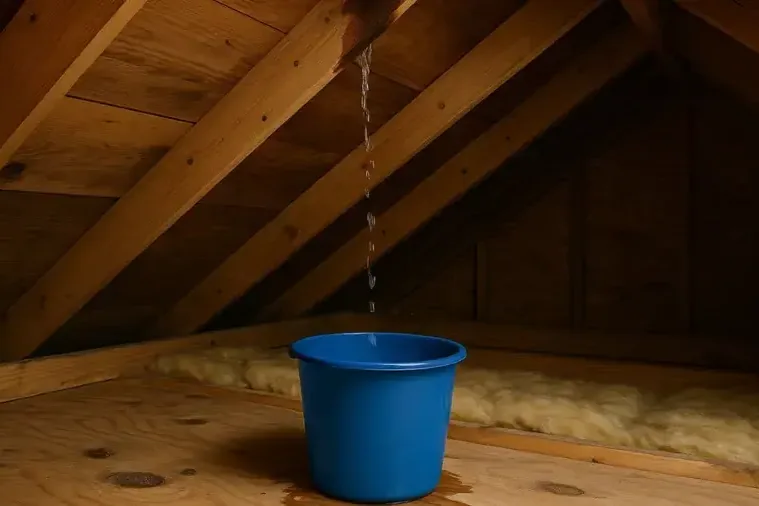
Roof Leak Water Damage
Rain entering above can travel along framing before appearing inside. Attic insulation and ceiling materials need inspection alongside the separate roof repair.
Drying the attic after a leak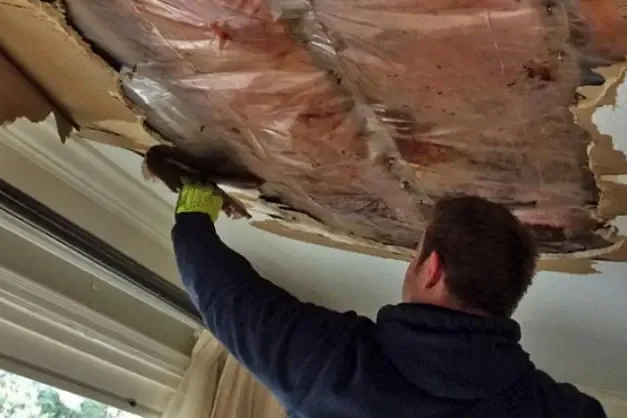
Ceiling Leak Water Damage
An overhead stain deserves a source check before repainting. Saturated drywall, upper floor materials and hidden cavities may need different drying approaches.
Checking wet ceilings safely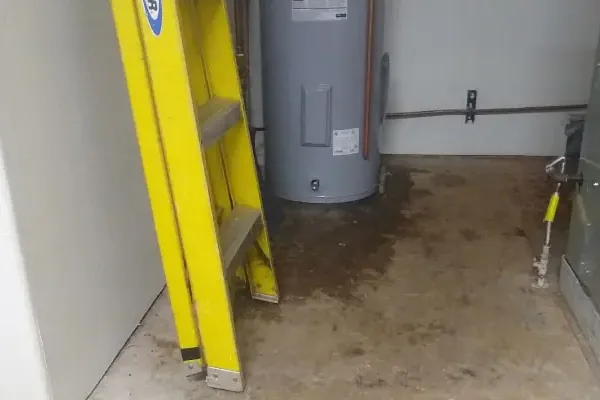
Water Heater Leak Cleanup
Water escaping a tank can collect under closet walls and neighboring flooring. Cleanup checks the utility area after equipment isolation and plumbing assessment.
Cleaning up a leaking tank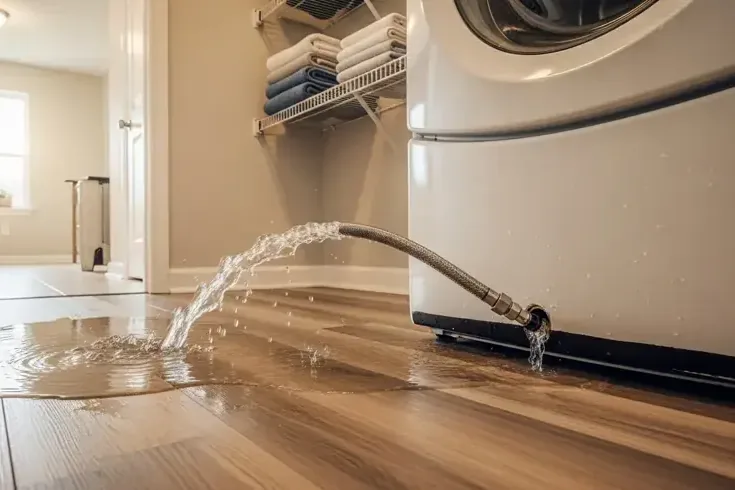
Appliance Leak Water Damage
Dishwasher, refrigerator and washer leaks can disappear beneath cabinetry. The cleanup scope follows those concealed pathways and evaluates wet flooring at adjoining rooms.
Finding water behind appliances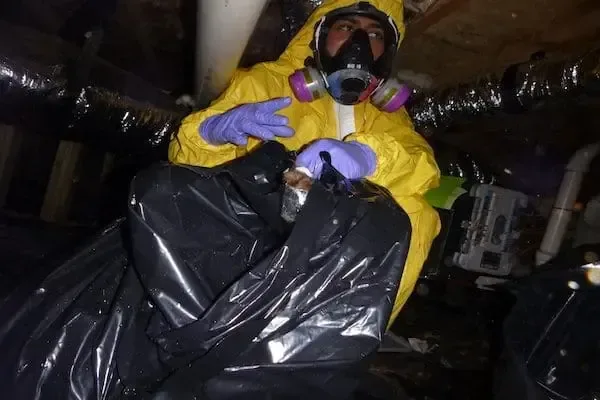
Crawl Space Water Removal
Where an underfloor space exists, pooled water can affect insulation and joists. Access conditions determine pumping, debris handling and the subsequent drying arrangement.
Managing water below the house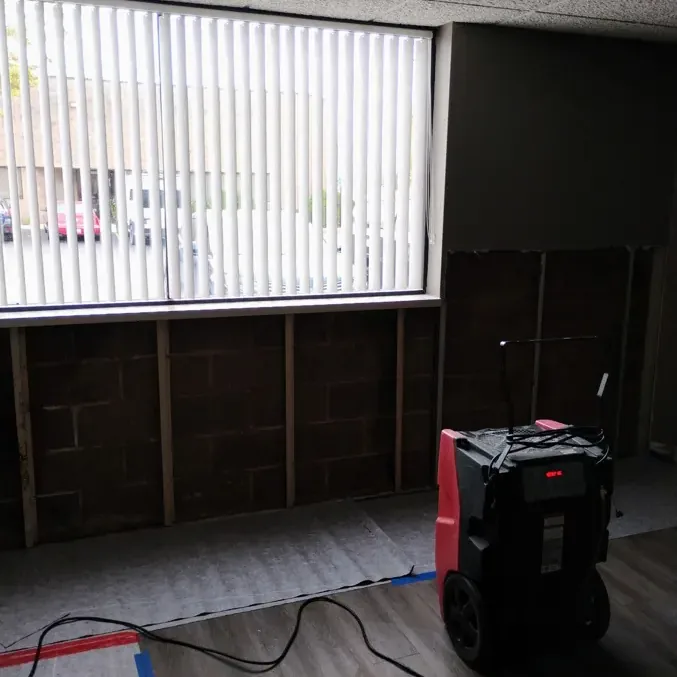
Structural Drying
Moisture retained inside wood, plaster and layered flooring requires monitored drying. Readings establish progress and help determine when reconstruction can reasonably proceed.
Following material moisture readings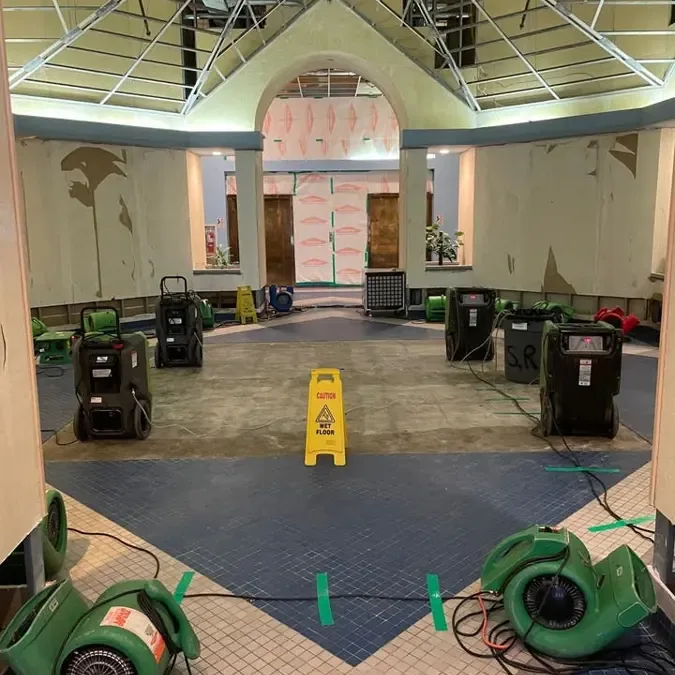
Commercial Water Damage
An occupied building needs a cleanup sequence that protects access and separates wet work areas. Documentation helps coordinate management, occupants and repair trades.
Planning business cleanup access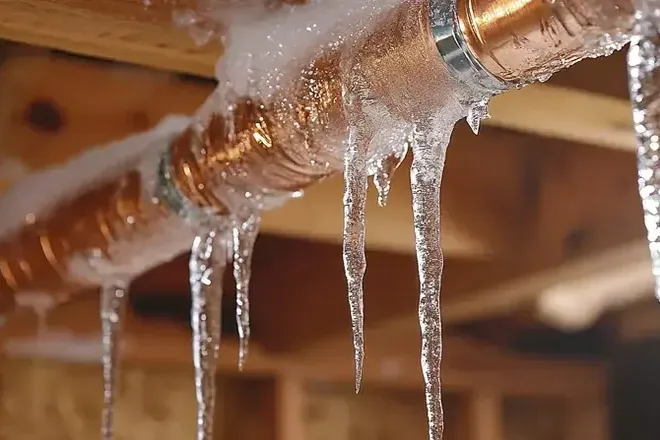
Frozen Pipe Water Damage
A pipe may begin leaking as ice thaws. Water isolation and plumbing inspection come before drying the wall, ceiling or floor surrounding the break.
Addressing leaks after a freezeLook beyond the largest puddle
A useful inspection connects visible damage with moisture readings, source repair and material condition. That makes the work easier to understand before finishes are removed.
Clear boundaries
The wet area is marked by inspection and readings so adjoining closets, wall bases and concealed floor edges receive attention where needed.
Material decisions
Solid trim, carpet padding and saturated insulation respond differently. Retention or removal depends on condition, access and the type of water involved.
Progress records
Repeated measurements show whether drying is reaching the hidden layers. Equipment placement can change when a cavity or dense material remains wet.
Repair coordination
The restoration scope identifies what needs a plumber, roofer or finish contractor, with unresolved source problems kept visible throughout the cleanup process.
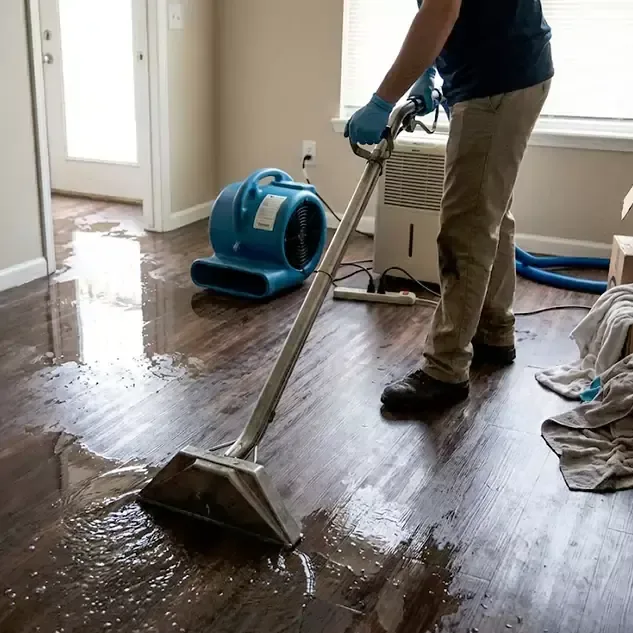
From moisture map to final readings
- Establish the source. Locate the entry point and determine whether water is still arriving before setting a practical boundary around the affected rooms.
- Recover standing water. Remove accessible liquid and evaluate saturated contents so drying equipment can address the moisture that remains within the building materials.
- Open necessary layers. Create access where readings and material condition justify it, keeping removal focused on the assemblies that cannot dry effectively in place.
- Check the endpoint. Compare repeat readings with suitable dry references and document remaining repair needs before covering cavities or replacing the removed floor finishes.
Property details for the restoration visit
Areas and local landmarks
Local ZIP
Nearby service areas
What helps with the first conversation
Mention the affected floor, the likely source and whether water is still entering. Properties around Lake Sacajawea may have indoor plumbing damage or outdoor entry requiring different handling.
For a building near Lower Columbia College, explain room access and occupancy concerns. The same practical details help plan an inspection at homes in West Longview.
(888) 509-1696Explain access to the wet areaDrainage, weather and building materials
Longview sits at the junction of the Cowlitz River and Columbia River. Indoor cleanup still starts at the property: identify how water entered and which assemblies became saturated before planning repairs.
Managed lake drainage
Lake Sacajawea receives pumped river water and releases overflow through the diking system. Rainy season lake levels are managed as part of the city flood control program.
Rain above the ceiling
Chilly, rainy winters include occasional windstorms. After roof entry, moisture can remain in attic insulation and ceiling layers even when the visible drip has stopped.
Historic interior finishes
Tudor and craftsman homes are among the historic buildings. Carefully checking trim and layered finishes can help distinguish salvageable materials from assemblies needing selective removal.
Hidden plumbing releases
Municipal water comes from groundwater wells in Mint Farm Industrial Park. A private building leak still needs source isolation and inspection of adjacent rooms and cavities.
Runoff at openings
The stormwater program controls development runoff. At an affected house, door thresholds, foundation openings and other entry points need inspection alongside water removal and interior cleaning.
December 1867: Cowlitz River flooding destroyed Monticello, a historic settlement now within the city. Current damage requires inspection of the affected property and its water entry.
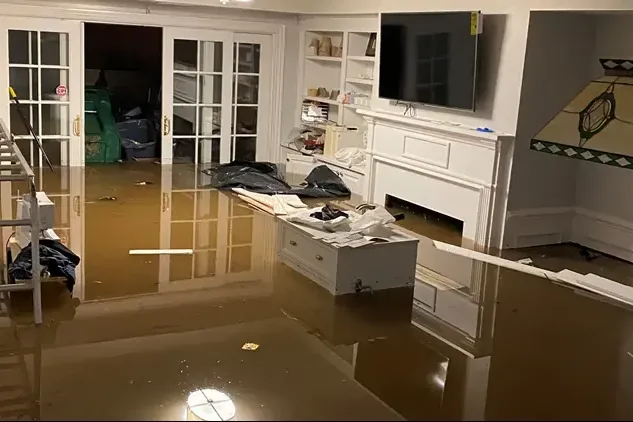
Different water needs different precautions
Supply water indoors
A recent plumbing release may allow more materials to be retained when the source is stopped and damage is assessed promptly.
Follow the spreadWater beneath appliances
A small visible spill can conceal saturated flooring beneath fixed cabinets, especially when the leak has continued unnoticed between appliance cycles.
Inspect hidden edgesWastewater entering rooms
Drain backups require separation from occupied areas, protective handling and cleaning decisions before air movement or material restoration can be planned.
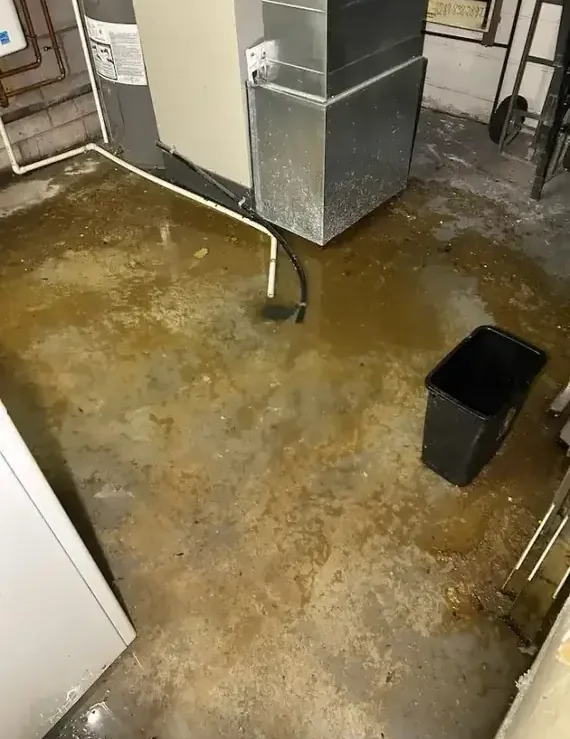
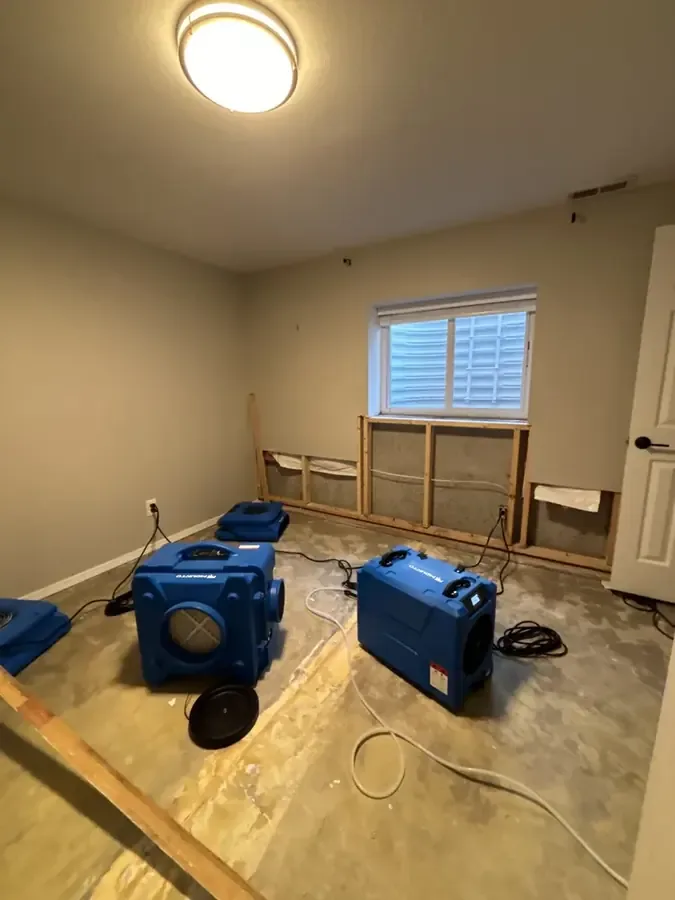
Contain the affected roomWater removal and drying in affected rooms
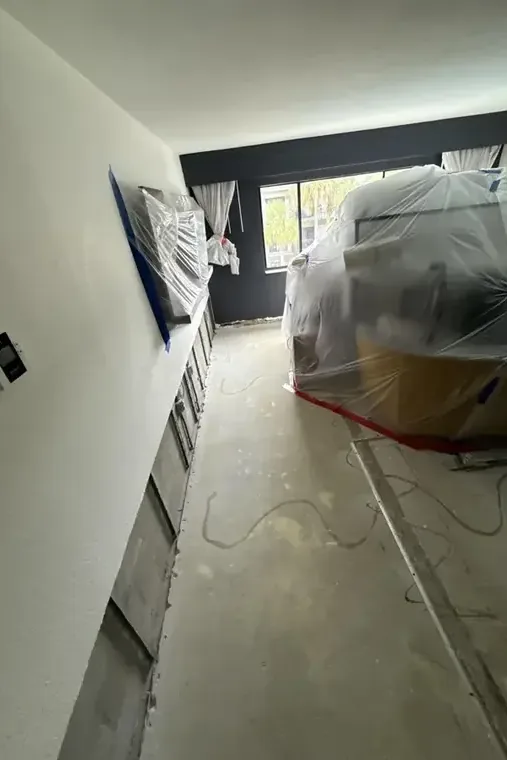
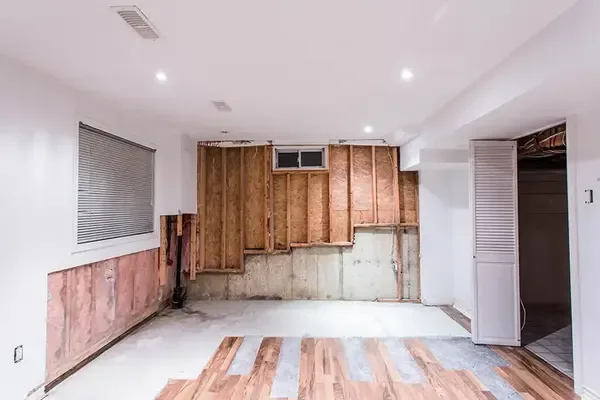
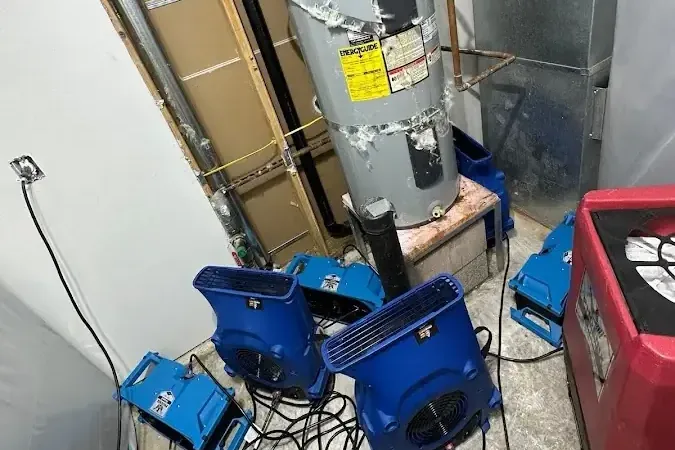
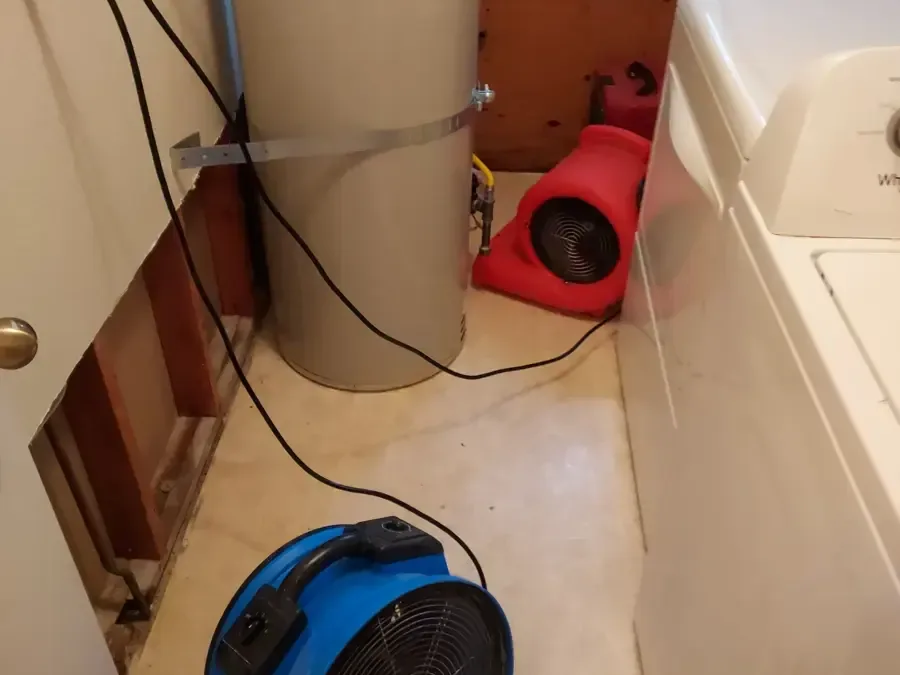
What changes restoration costs in Longview?
Water damage cleanup in Longview depends on affected materials, water condition and access. The planning ranges below help frame a discussion; a written inspection scope establishes which removal, drying and repair tasks apply.
Limited interior spread
$1,000 to $2,500
- Accessible wet surfaces
- Focused water removal
- Localized drying setup
Connected room damage
$2,500 to $5,000
- Several material layers
- Selective cavity access
- Broader equipment placement
Complex building saturation
$5,000 to $8,000+
- Difficult hidden moisture
- Extensive material handling
- Longer monitored drying
Protect people, then limit the spread
- Stay clear of hazards. Keep occupants outside rooms with standing water near electrical equipment, loose ceiling panels or wastewater. A safe doorway is the best observation point.
- Stop accessible supply water. Close a known shutoff only from dry footing. Leave damaged valves and unfamiliar equipment alone until the appropriate trade can assess the problem.
- Record the visible damage. Photograph affected surfaces from a safe position. Note when the leak appeared, which fixtures were running and any changes in the wet area.
- Protect dry belongings. Move undamaged possessions only along a safe route. Avoid carrying wet rugs or contaminated boxes through rooms that have escaped the water.
- Arrange the next inspection. Describe the source, affected rooms and access restrictions. Plumbing, roofing and restoration tasks may need coordination before drying equipment is placed.
Document the loss as it develops
Photographs and a short timeline help explain the event. Coverage depends on the policy and cause, so the insurer should answer coverage questions while restoration documents the observed damage.
- Photograph the source before repairs when safely accessible.
- Save plumbing or roofing findings with dated invoices.
- List affected belongings and their visible condition.
- Keep the written cleanup scope and equipment records.
- Record moisture readings before damaged cavities are closed.
When paying directly
An owner paying directly benefits from an itemized proposal that separates urgent water removal from later repairs. Ask which materials can be retained and how drying progress will be recorded.
Compare scopes by their actual work, including access, disposal and monitoring. A smaller initial amount can exclude tasks that another proposal already includes in its total.
Plan before you call
Nearby service areas
Questions after indoor water damage
What should happen before cleanup equipment arrives?
Access and active hazards need attention first. Occupants should avoid unstable ceilings, contaminated water and wet electrical equipment. If a supply shutoff is safely accessible, stopping the water limits further spread. The cleanup conversation can then focus on affected rooms and materials.
Can a dry-looking floor still need work?
Yes. Water can remain below a finished surface or behind a baseboard after the top feels dry. Moisture testing helps identify these concealed areas. Drying decisions should account for the full floor assembly, especially where different materials meet or cabinets cover the edges.
Does river proximity change every indoor leak?
The water source matters more than a nearby landmark. A broken appliance connection and water entering from outdoors require different handling. Around the Columbia River or elsewhere in the city, inspection should establish the route of entry and the condition of the affected materials.
When should wet ceiling material be left alone?
Sagging panels, spreading cracks or water around a light fixture call for restricted access. Occupants should not puncture the ceiling or reach through it. Qualified assessment can establish a safe removal plan and determine whether water arrived from plumbing, an upper room or the roof.
Will historic trim need to be discarded?
Removal is not automatic. The decision depends on water condition, material stability and access for drying behind the trim. Carefully documenting the profile and affected sections can help preserve reusable pieces while allowing wet wall edges to be inspected and treated appropriately.
What belongs in a restoration estimate?
The scope should identify affected areas, extraction, cleaning, proposed removals and drying equipment. It should also explain monitoring and any exclusions. Plumbing correction and finish reconstruction may be separate items, making it useful to see how the different trades and costs fit together.
Who handles a suspected municipal water problem?
The Water Distribution Division checks possible leaks and noisy meters in the city distribution system. A private interior plumbing problem needs a plumbing assessment. Restoration addresses the wet building materials, so reporting a utility concern and arranging interior cleanup may be separate actions.
Can normal room fans handle a drain backup?
Fans should not be the first response to wastewater. Restrict the affected area and stop using connected fixtures until the backup is assessed. Contaminated material handling and cleaning come before a drying arrangement, with access controlled to keep wet debris out of occupied rooms.
How is the end of drying determined?
Completion should reflect repeat moisture readings and the condition of the affected assemblies. Dry references help make those readings meaningful. Equipment removal and reconstruction follow that assessment, with unresolved damp pockets or continuing water entry addressed before new finishes conceal the area again.
Make the next cleanup decision with a clear scope
Describe the wet materials, source and access conditions to arrange the next step toward a dry, repairable interior at the property.
(888) 509-1696Discuss a practical cleanup scope