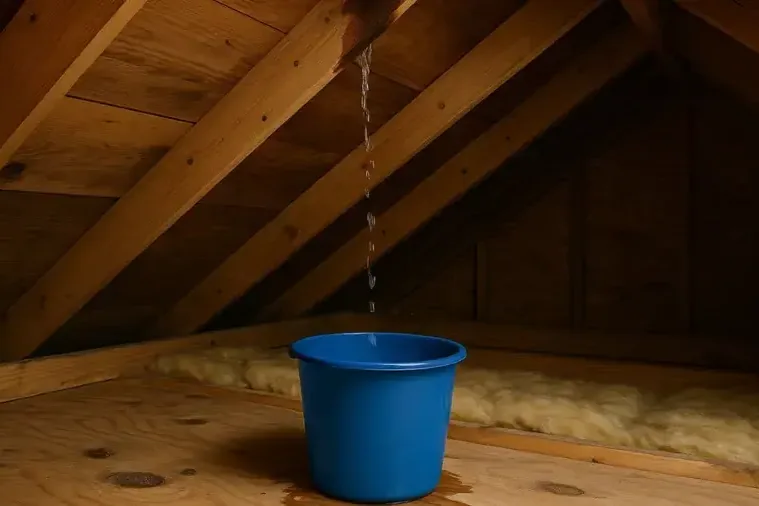
November begins Longview's typical wetter season, and local winters are chilly and rainy with occasional windstorms. A ceiling drip during that period needs a record of the rainfall conditions, an assessment of the roof entry and a plan for the wet interior materials. The repair handoff works best when the exterior findings and the attic observations describe the same water event.
Key takeaways
- Record when the ceiling changed and whether the drip continued after rainfall stopped.
- Keep occupants away from sagging or loose overhead finishes and wet electrical fixtures.
- Arrange roof access through the appropriate professional instead of climbing onto a wet roof.
- Include attic insulation and concealed ceiling layers in the interior inspection.
- Confirm the source repair and retained material drying before scheduling finish replacement.
Use the rain pattern to improve the first report
An occupant's observations can help organize the roof investigation. The report should describe when the drip began, whether it appeared during wind driven rain and which ceiling area changed first, using room features that the roofer and restoration technician can both recognize.
The homeowner can photograph a stain from the floor and note whether its boundary changed after the initial discovery. A wider photograph is useful alongside the close view because it shows the stain relative to windows, interior walls and any overhead fixture that may affect safe access.
The roof leak cleanup plan can then connect the exterior repair with the interior damage survey. Clear discovery notes allow the next person to distinguish the original mark from changes that occur while the source is being investigated or temporarily protected.
- Describe whether the first sign was a drip, discoloration or a change in ceiling shape.
- Record which room and part of the ceiling were affected.
- Keep photographs from different observation times in order.
- Tell the responding contractor about water near lights or other electrical equipment.
Protect the room below without entering an unsafe area
A wet ceiling can change the safe use of the room underneath it. Occupants should keep clear of sagging or loose finishes and avoid standing below the affected area to press on the surface, reposition furniture or make a closer photograph of the damage.
Items outside the unsafe area can be moved along a dry route when that can be done without approaching the overhead hazard. The household should keep the room boundary understandable for other occupants so a person returning home does not walk directly beneath the wet section.
A ceiling leak inspection can determine how the affected assembly should be accessed and which materials require attention. The owner can describe the visible condition from the doorway while the crew plans appropriate protection and controlled access to the space above.
- Restrict the route beneath damaged overhead finishes.
- Identify any electrical fixture within or beside the wet area.
- Keep improvised supports and household tools out of the inspection zone.
- Photograph belongings where they sit if reaching them would cross an unsafe boundary.
Inspect the attic layers rather than only the drip location
The attic survey should connect the roof decking, framing, insulation and ceiling below. Water may leave visible marks in more than one location along that assembly, so the inspection record benefits from photographs that show how a wet area relates to the surrounding structure.
Insulation can conceal the upper surface of a ceiling and complicate the view of affected materials. The crew should explain what access is needed and record the condition discovered beneath any material moved or removed, keeping the decision specific to that part of the attic.
Access limitations belong in the report as well. A crowded or inaccessible section should remain an identified task until it can be assessed, so the owner knows which areas have been examined and which still need a safe approach before the interior work can be considered complete.
- Label attic observations with the room located below them.
- Photograph visible wet decking and adjacent framing before the setup changes.
- Record insulation decisions and the surfaces exposed by removal.
- Identify areas that cannot yet be reached safely for inspection.
Keep source repair and interior cleanup coordinated
The roof contractor's findings should explain the repair performed and any temporary protection that remains. The interior crew needs that information to understand whether new water may arrive during further rain and how the work arrangement should protect the areas already cleaned or opened.
A repair photograph and a written description are useful additions to the household file. They allow the owner to connect the reported entry point with the ceiling damage and ask focused questions if another mark appears while the affected interior is still exposed for inspection.
Drying and repair access may overlap, but their endpoints should remain explicit. The owner should know whether the roof work is complete, whether the attic still contains wet material and whether the room below is ready for a finish contractor to assess the remaining opening.
- Keep the roof work description with the discovery photographs.
- Ask whether any temporary covering requires a later visit.
- Tell both contractors about a new drip or a changing stain.
- Agree on who will document the attic condition before the ceiling is closed.
Measure retained framing and ceiling materials during drying
After source control and the necessary material work, structural drying can focus on the retained assembly. The measurement plan should name the framing, decking or ceiling locations being followed and explain how the readings relate to the areas opened during inspection.
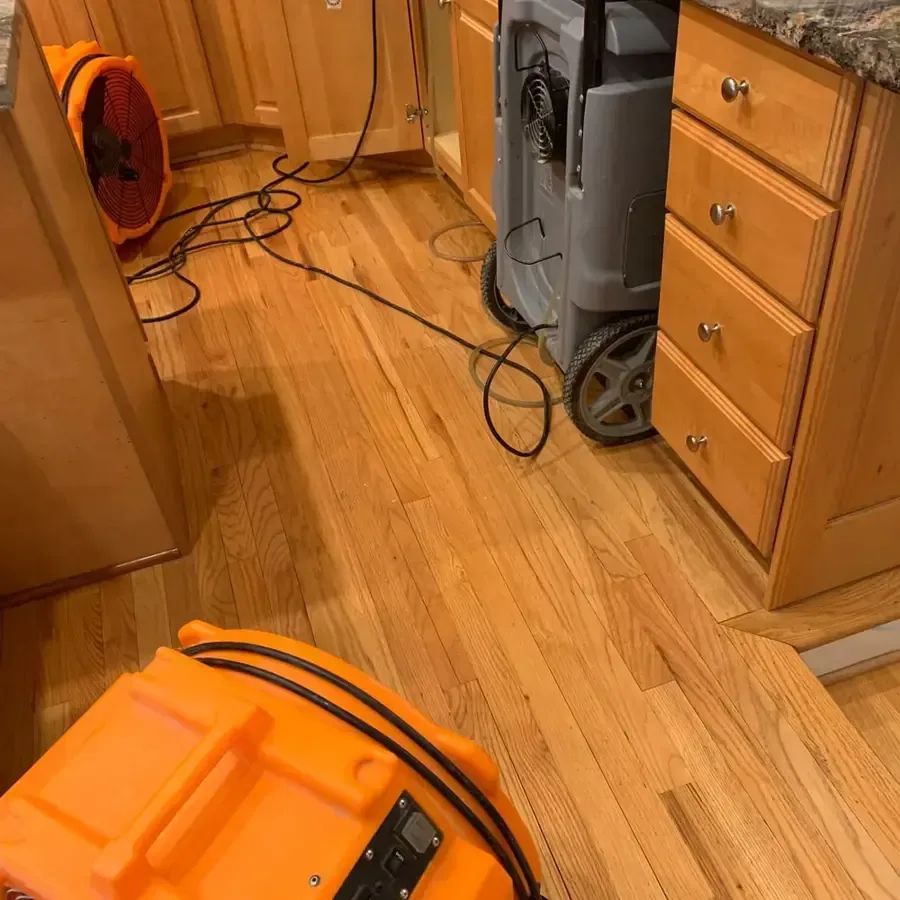
A drying device operating in the room below may be only part of the arrangement. The crew should consider how the wet materials are exposed and reached, then explain the placement and any adjustment using observations from the actual attic and ceiling construction.
Progress is easier to assess when the record returns to the same labeled positions. If one location stops improving, the technician can review access and material condition there, giving the homeowner a concrete explanation for continued work instead of relying on the appearance of the ceiling stain.
Plan the finish repair around the full wet assembly
A painted ceiling can hide the evidence needed for the final handoff. Before patching begins, the owner should receive a record of removed insulation or finishes, retained materials checked and the location of any opening that still serves an inspection purpose.
The finish contractor can use photographs of the room before removal to discuss texture, paint boundaries and adjoining surfaces. That conversation belongs alongside the drying record so appearance work follows an understood material condition and the owner knows what repair scope is being proposed.
The household should also keep the source repair details accessible for later rainfall observations. If a new concern develops, the original room photographs, attic labels and roof notes provide a practical starting point for comparing what changed and identifying which contractor needs to review the area.
Questions
Why mention the weather when reporting a Longview roof leak?
The timing helps the contractor organize the investigation. A drip associated with a particular rain period, together with its room location and photographs, is a more useful starting description than an undated report of ceiling discoloration.
Should an occupant enter the attic to find the source?
Access should be assessed before entry, especially where wet surfaces, damaged finishes or electrical equipment are involved. Observations from an occupied room can begin the report while the appropriate professional plans the attic inspection.
Can ceiling painting begin when dripping stops?
The repair decision also needs the condition of the ceiling layers and the source repair record. A pause in visible dripping does not complete the inspection, insulation assessment or drying work for retained materials.
What records connect the roofer and the drying crew?
A shared room label, dated discovery images and the roof repair description help both trades discuss the same area. Attic photographs and material readings then show what was found and addressed beneath the repaired roof.