Water Extraction in Kelso, WA
Standing water can travel under a doorway long before a wall looks wet. Extraction crews in Kelso remove accessible water, inspect adjoining materials and hand the drying team a measured starting point.
(888) 509-1696Clear standing water safely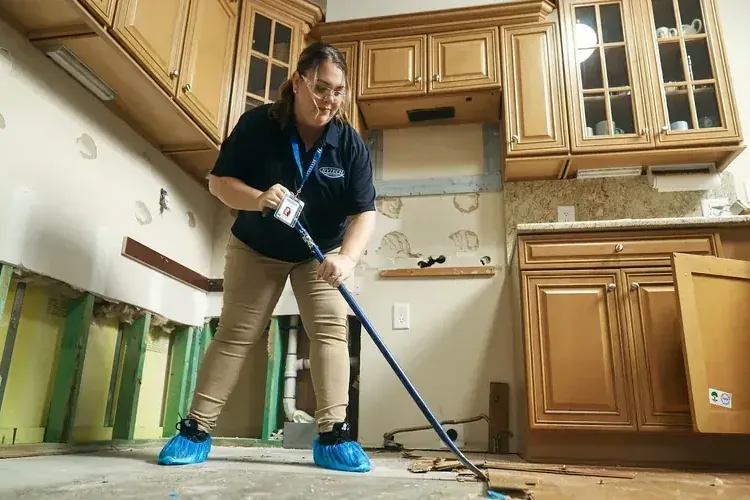
First steps for water extraction
- Control the flow. Close a reachable supply valve only from a safe dry position. A plumber or utility addresses an inaccessible or damaged source.
- Protect access. Keep the route into the room clear of wet cords and slipping hazards. Prevent children and pets from entering the extraction area.
- Capture the boundary. Photograph standing water and affected contents before movement. Note when the water appeared and whether the source remains active.
- Describe hidden spread. Mention wet adjoining rooms, lower floors and cabinetry. The extraction team checks these locations instead of treating only the deepest puddle.
A visible pool marks only the easiest water to see. Carpet pad, cabinet bases and wall plates can hold more after the floor clears. The extraction contractor checks the source and water category before deciding which tools and materials can remain in the room.
Trace the water beyond the puddle
A supply failure in West Kelso needs a different cleanup plan from outdoor water entering near the Cowlitz River. The team records the source, time discovered and rooms connected by flooring or open doorways. A damp edge in the next room belongs on the initial map even when the main pool sits elsewhere.
For a property along Lexington Avenue, access details such as stairs and occupied rooms help the crew move equipment without spreading water. The route to the job does not determine the drying plan; readings inside the structure do.
- Inspect carpet edges and pad separately because a dry carpet face can conceal a wet backing.
- Check wall bottoms, thresholds and cabinet toe kicks where liquid travels out of sight.
- Photograph the water boundary before extraction changes the appearance of the room.
- Separate contents that can move safely from heavy or contaminated items requiring a handling plan.
Match extraction to the surface
Submersible pumps handle deeper accessible water. Wet vacuum and weighted extraction tools recover liquid from appropriate floor coverings. Technicians avoid aggressive methods that damage a weak surface or carry contaminated water through clean rooms. The operator checks discharge and disposal arrangements before pumping begins.
After bulk removal, moisture remains within materials. Air movers and dehumidifiers address that retained moisture only after the team makes removal and cleaning decisions. A floor that no longer splashes underfoot still needs testing before furniture or coverings return.
Document the extraction handoff
The restoration record should show which rooms were extracted, which materials came out and where readings remain elevated. The drying technician uses this map to select equipment and establish reference points. A plumber’s source repair belongs in the record alongside extraction work.
- Keep photographs taken before water removal and any opened material layers.
- Record the affected room dimensions and the surfaces that remained wet.
- Identify contamination controls, removed coverings and disposal decisions.
- Compare repeat readings at marked locations instead of judging progress by appearance.
Standing water near outlets, appliances or electrical panels requires a safe isolation plan. A household vacuum is not a water-extraction tool. Keep occupants outside the wet area when the source is sewage, outside flooding or unknown contamination, and leave heavy pumping or entry into a flooded enclosed space to trained responders.
A pool in one room can hide water beneath the next doorway. Explain which surfaces are wet, whether the source is controlled and what blocks safe access so extraction starts with the full picture.
(888) 509-1696Assess the standing waterWhat does water extraction cost in Kelso, WA?
Water extraction commonly ranges from $500 to $3,000 before extensive removal or rebuilding. Depth, floor area, contamination and equipment access change the work; hidden moisture can add a separate structural drying phase.
Small accessible area
$500 to $1,000
- Surface water recovery
- Floor-edge checks
- Initial documentation
Several rooms
$1,000 to $2,000
- Multiple extraction passes
- Adjoining room inspection
- Drying handoff
Difficult access
$2,000 to $3,000+
- Pumping setup
- Controlled removal route
- Expanded moisture mapping
Estimate only. Water category, affected materials and access determine the scope. Compare the inputs in the water damage cost calculator.
How water extraction progresses
- 1
Assessment
The crew identifies the water category and source status, then records wet surfaces and a safe path for equipment and waste handling.
- 2
Bulk removal
Extraction technicians recover standing liquid with equipment suited to the depth and flooring, checking nearby rooms as the visible water recedes.
- 3
Material decisions
The contractor evaluates carpet, pad and wall bases for cleaning, salvage or removal, documenting the reasons before changing the assembly.
- 4
Drying transfer
The drying team uses the remaining moisture map to set airflow and dehumidification, with marked reading points for the next monitoring visit.
Related water damage services in Kelso
Water Extraction questions in Kelso, WA
Is extraction the same as drying?
No. Extraction removes liquid that pumps and vacuum tools can recover. Drying removes moisture retained within materials through controlled evaporation and dehumidification. The team measures what remains after extraction before deciding how much drying equipment the structure needs.
Can carpet stay after a clean pipe leak?
The contractor considers water category, exposure time, backing condition and the subfloor beneath it. Some clean-water carpet can remain, but pad or underlying layers may require separate treatment. The contractor checks each layer before deciding whether the assembly is salvageable.
Should a homeowner pump floodwater out immediately?
Safety comes first. Deep water, electrical equipment, structural pressure and contamination can make pumping hazardous. Responders assess conditions before choosing a removal rate and discharge location. Keep people away from the flooded area until a safe work plan exists.
Why inspect a room with no visible puddle?
Water can move beneath a continuous floor covering or along a wall plate. Moisture meters help find spread beyond the visible pool. Including those areas in the original map reduces the chance that wet material remains enclosed after the obvious water disappears.
Does insurance need photographs before pumping?
Safe photographs of the initial water level and affected materials are useful, but urgent mitigation should not wait for an adjuster visit. Keep the images, equipment records, source-repair invoice and moisture findings together. The insurer evaluates the claim under the policy.
When can furniture return to the floor?
The restoration contractor checks the floor assembly and drying status before heavy contents return. Furniture can trap moisture or stain a wet surface. The homeowner should follow the documented drying plan and keep equipment clear until final material readings meet the goal.
Water extraction in Kelso
Coverage includes ZIP 98626, West Kelso, Aldercrest and the Lexington Avenue area. Describe the entry point, affected rooms and safe access when arranging a visit.
Nearby service areas include Longview, Rainier and Ridgefield.
Remove the water and measure what remains
The extraction crew clears accessible liquid while drying technicians map the moisture still inside floors, walls and adjoining spaces.
(888) 509-1696Get the wet floor assessed