Structural Drying in Kelso, WA
Water can remain inside a structure after extraction clears the floor. Kelso drying technicians measure affected materials, control the indoor air and adjust equipment against a documented moisture goal before repairs begin.
(888) 509-1696Measure what remains wet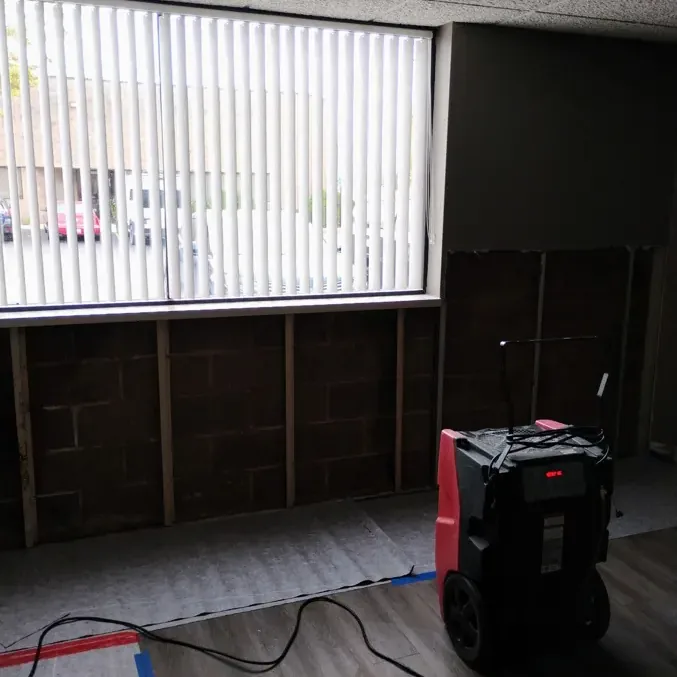
First steps for structural drying
- Confirm source control. Drying cannot keep pace with an ongoing leak indefinitely. Verify the source repair and report any fresh wet spot during the equipment run.
- Keep reading points accessible. Leave marked wall bases and floor locations clear. The technician needs consistent access to compare the same materials during monitoring visits.
- Protect equipment airflow. Keep furniture, bags and curtains away from machine inlets and outlets. Discuss safe pathways rather than moving equipment into an ineffective position.
- Ask for the endpoint. The contractor should explain the reference and goal for each retained material. Repair scheduling follows those readings instead of a preset calendar date.
Structural drying addresses water held within framing, subfloor, drywall and other building materials. The process needs more than warm air or a quiet dehumidifier in the corner. Technicians establish the affected boundary, a suitable dry reference and a plan for releasing and removing moisture.
Set a goal for the material being dried
A wood floor, gypsum wall and concrete slab do not respond identically. The technician selects suitable measurement methods and records the starting readings. An unaffected area can provide a comparison when it represents the same material and conditions.
Buildings in West Kelso, Aldercrest and the Lexington Avenue area require inspection of their actual assemblies. Material conditions determine the drying time. The team checks wet depth, access and material layers before estimating equipment needs or explaining what must remain open.
- Mark reading locations so later visits compare the same affected surfaces.
- Identify hidden cavities and coverings that restrict evaporation.
- Separate moisture conditions in dense materials from readings on thin finishes.
- Record the reference material and the target used to judge completion.
Balance evaporation and moisture removal
Air movers encourage evaporation from accessible wet surfaces. Dehumidifiers remove moisture from the air so it can continue accepting water from the structure. The operator sizes and positions equipment for the load, then checks whether readings are moving in the intended direction.
Opening windows can interfere with a controlled drying environment. Equipment interruptions, blocked airflow and renewed leaks also affect progress. The contractor explains which doors and openings should remain closed and how occupants can move safely around cords and machines.
Use the log to decide the next action
A slow reading can indicate restricted access, a dense assembly or continuing water entry. Technicians investigate the cause rather than simply extending equipment use without explanation. The final record should connect the initial moisture map, daily adjustments and completion readings.
- Compare material readings with air temperature and humidity observations.
- Document equipment changes and the reason for each adjustment.
- Check that source repair prevents fresh water from entering the drying zone.
- Give the repair contractor the final measurements before finishes cover the assembly.
Drying equipment requires a safe electrical supply and clear airflow. Do not move machines, unplug shared circuits or cover operating equipment to reduce noise without discussing the plan. If a cord becomes wet, a breaker trips or the room develops a new hazard, keep clear and contact the responsible contractor for a safe adjustment.
A dry surface does not answer what remains inside the wall or floor. Describe the wet assembly and any recent source repair so the drying technician can establish measurable goals and the access needed to reach them.
(888) 509-1696Discuss the moisture readingsWhat does structural drying cost in Kelso, WA?
Structural drying often ranges from $1,000 to $5,000 for a residential mitigation scope. Wet material volume, access, equipment requirements and monitoring duration drive the total; extensive removal and rebuilding can add separate charges.
Focused room drying
$1,000 to $2,000
- Initial map
- Controlled equipment
- Repeat readings
Several wet assemblies
$2,000 to $3,500
- Multiple drying zones
- Cavity assessment
- Daily adjustments
Dense or concealed saturation
$3,500 to $5,000+
- Specialized access
- Extended monitoring
- Repair clearance records
Estimate only. Water category, affected materials and access determine the scope. Compare the inputs in the water damage cost calculator.
How structural drying progresses
- 1
Establish the baseline
The technician maps affected and reference materials, records the initial readings and identifies coverings or cavities that can prevent effective moisture release.
- 2
Set the environment
The drying team positions airflow and dehumidification for the actual wet load, checking electrical safety and protected access for occupants around the equipment.
- 3
Adjust from measurements
Repeat visits compare material and air conditions, allowing technicians to change placement, capacity or access when the documented progress calls for it.
- 4
Record completion
The contractor confirms the retained materials meet the selected goals and supplies the readings needed to coordinate replacement finishes and equipment removal.
Related water damage services in Kelso
Structural Drying questions in Kelso, WA
What does IICRC S500 mean for drying?
IICRC S500 provides an industry framework for water-damage restoration assessment and procedures. The contractor applies it to the actual loss, including water category, affected materials, equipment and documentation. It is a drying standard reference, not a promise of a fixed completion time.
Why are material readings more useful than touch?
A surface can feel dry while deeper layers retain moisture. Appropriate instruments and access reveal conditions that touch cannot measure. Technicians compare the readings with a suitable reference and follow the trend at marked locations rather than judging only the visible finish.
Can extra fans make drying finish sooner?
Air movement helps only when moisture can leave the material and dehumidification can remove it from the air. Excess or poorly directed airflow can be ineffective or unsafe. The drying team balances equipment with the assembly, contamination controls and measured progress.
Should windows stay open while machines run?
A controlled drying plan often relies on managing the air inside the work zone. Outdoor air can change temperature and humidity and interfere with that plan. Follow the contractor’s instructions about windows and doors, and discuss comfort or access concerns before changing the setup.
What happens when a reading stops improving?
The technician checks for continuing water entry, inaccessible layers, measurement differences or inadequate drying conditions. The response may involve better access, equipment adjustment or another material decision. The log should explain the change rather than treating every slow reading as a reason for indefinite operation.
What should the final drying report contain?
It should identify affected materials, reference conditions, starting readings, monitoring visits, equipment changes and completion measurements. Removal and source-repair notes provide additional context. The repair contractor can use that record when deciding whether the assembly is ready for new finishes.
Structural drying in Kelso
Coverage includes ZIP 98626, West Kelso, Aldercrest and the Lexington Avenue area. Describe the entry point, affected rooms and safe access when arranging a visit.
Nearby service areas include Longview, Rainier and Ridgefield.
Make the repair handoff depend on measurements
The drying team tracks material moisture, explains equipment adjustments and records the endpoint before new finishes conceal the affected assembly.
(888) 509-1696Set up measured structural drying