Sewage Backup Cleanup in Kelso, WA
Sewage entering a room needs immediate separation from occupants and clean spaces. Kelso cleanup professionals contain the affected area, remove wastewater and contaminated porous materials, then clean and dry salvageable surfaces.
(888) 509-1696Contain the wastewater damage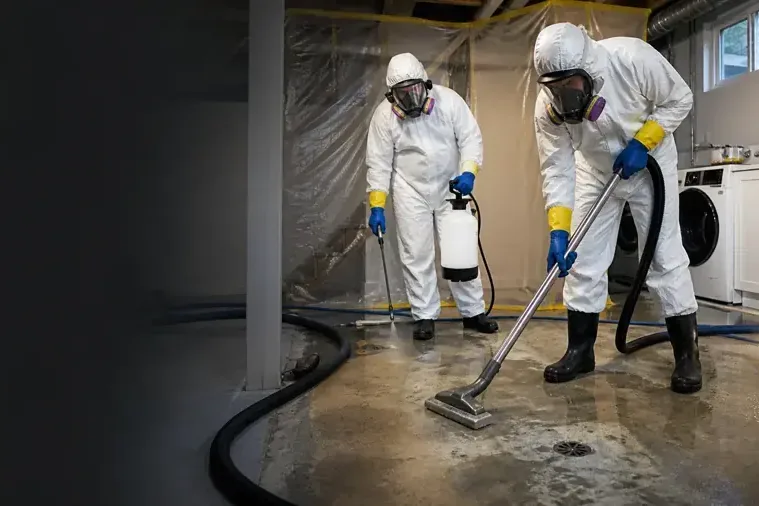
First steps for sewage backup cleanup
- Stop fixture use. Pause toilets, showers and appliances connected to the affected drainage system. A plumber or utility determines how to stop further wastewater entry.
- Block the doorway. Keep people and pets outside the room without walking through the sewage. Establish a separate dry route for occupants and essential access.
- Leave contaminated items. Do not carry wet carpet or porous belongings through clean rooms. Cleanup personnel choose containment and packaging before material removal starts.
- Record from a distance. Photograph the visible boundary only from a safe position. Describe the fixtures involved and when the backup first appeared.
A sewage backup can leave contamination after the visible liquid disappears. A toilet, shower drain or floor opening may be the entry point, but the cleanup boundary follows every contacted material. The contractor records that path before moving contents or operating air equipment.
State Route 4 also connects across the river, so describe any access restriction before arranging wastewater removal.
Control the source and separate the room
The City of Kelso Utility Department provides sewer services. A reported public-system issue and a private building drain problem need the appropriate investigation; neither replaces indoor cleanup. A plumber addresses a blocked or damaged private drain while restoration personnel assess wastewater that already reached the structure.
For an affected property in West Kelso or along Lexington Avenue, the owner should describe which fixtures backed up and whether more than one floor is involved. The crew uses that account to inspect connecting rooms and protect dry access routes.
- Stop using affected fixtures until the drainage problem has been assessed.
- Keep children, pets and unprotected occupants outside the contaminated area.
- Identify porous belongings and floor coverings that contacted wastewater.
- Prevent cleanup traffic from carrying residue through unaffected rooms.
Remove contaminated porous materials
Sewage is Category 3 water from the beginning. Crews use suitable gloves, protective clothing, eye protection and respiratory protection selected for the work. They recover liquid with appropriate equipment, package waste and remove contaminated carpet, pad, insulation and other porous materials that cannot be safely restored.
Removal extends beyond the visible water mark where wicking or concealed contact requires it. The contractor documents cut boundaries and exposed layers. Salvageable hard surfaces require thorough cleaning before an EPA-registered antimicrobial is applied according to its label and required dwell time.
Dry the cleaned assembly and keep records
Air movers belong after contamination controls and cleaning. The drying team monitors the remaining framing, slab or subfloor and prevents airflow from carrying dirty material into occupied space. A clean appearance is not a substitute for a completed scope and moisture record.
- Photograph the original backup and the affected material layers before removal.
- Record the water category, disposal work and cleaning products used.
- Keep the plumber’s findings with the restoration scope and invoices.
- Save final material readings before the room receives replacement finishes.
Do not use household fans to push air across sewage, and do not mix cleaning chemicals. A blocked drain can release more wastewater while fixtures remain in use. Keep the affected room isolated, avoid skin contact, and arrange safe electrical isolation where contaminated water has reached cords, outlets or appliances before cleanup begins.
Wastewater left behind a wall or under a floor needs the same attention as the visible backup. Explain where sewage entered and which rooms connect so cleanup personnel can set a complete containment boundary.
(888) 509-1696Arrange contained wastewater cleanupWhat does sewage backup cleanup cost in Kelso, WA?
Sewage backup cleanup commonly costs $2,000 to $10,000 or more. Containment, disposal volume, access and the amount of porous material affected determine the scope, with drain repair and rebuilding often priced separately.
Contained bathroom
$2,000 to $3,500
- Wastewater recovery
- Surface cleaning
- Limited material removal
Connected wet rooms
$3,500 to $6,000
- Expanded containment
- Porous material disposal
- Structural drying
Extensive contamination
$6,000 to $10,000+
- Multiple work zones
- Detailed removal scope
- Drying documentation
Estimate only. Water category, affected materials and access determine the scope. Compare the inputs in the water damage cost calculator.
How sewage backup cleanup progresses
- 1
Set the boundary
The cleanup team identifies every wastewater contact area and the safe equipment route, then separates the work zone from occupants and clean materials.
- 2
Recover and remove
Technicians extract sewage and package contaminated porous materials, documenting hidden contact and removal limits as floor and wall layers become visible.
- 3
Clean retained surfaces
The crew removes residue from salvageable hard materials and applies suitable labeled products, allowing the required dwell time before the drying stage.
- 4
Verify dry conditions
Restoration personnel measure the cleaned structure, maintain controlled airflow and record the endpoint before repairs close the affected cavities and floor layers.
Related water damage services in Kelso
Sewage Backup Cleanup questions in Kelso, WA
Is toilet wastewater always treated as contaminated?
Sewage backups are Category 3 water and require contamination controls from the start. The apparent clarity of the water does not make it safe. Cleanup personnel assess the contacted materials and establish removal, cleaning and drying steps for the whole affected area.
Can wet carpet be washed and kept?
Carpet and pad contacted by sewage generally require removal because contamination can remain in porous layers. The contractor assesses the backing, subfloor and adjoining wall materials as part of that decision. A surface shampoo is not a complete sewage-restoration method.
Should bleach be poured across the floor first?
Do not improvise chemical treatment or mix products. Physical removal of wastewater and residue comes first, followed by suitable cleaning and labeled antimicrobial use where appropriate. The contractor considers surface compatibility, ventilation and the required contact time before choosing a product.
Who determines whether the sewer or private drain failed?
The appropriate utility or plumbing professional investigates the source. Describe the fixtures affected and whether the backup recurs with water use. Restoration crews document and clean the indoor damage, while source repair prevents the area from being contaminated again.
Does a homeowners policy cover sewer backup?
Sewer backup may require specific coverage or an endorsement. The policyholder should contact the insurer and keep photographs, plumber findings and mitigation records. The cleanup contractor documents physical damage and work; the insurer determines coverage and the applicable deductible.
Can the family stay elsewhere in the house?
That depends on safe separation, essential bathroom access, electrical conditions and the extent of contamination. The contractor assesses the work zone and protected routes. If contamination cannot be isolated from living areas, temporary relocation may be needed while cleanup and drying proceed.
Sewage backup cleanup in Kelso
Coverage includes ZIP 98626, West Kelso, Aldercrest and the Lexington Avenue area. Describe the entry point, affected rooms and safe access when arranging a visit.
Nearby service areas include Longview, Rainier and Ridgefield.
Restore the room after a sewage backup
Cleanup professionals remove contaminated material, clean salvageable surfaces and document drying before the affected room receives replacement finishes.
(888) 509-1696Discuss safe sewage removal