Water Damage Restoration Kelso, WA
Water damage restoration in Kelso, WA starts by stopping the spread. Local restoration professionals extract standing water, measure concealed moisture and dry affected materials, with emergency dispatch available 24/7.
(888) 509-1696Water spreading? Start hereReport the water source, affected rooms and any unsafe access so the assessment starts with the right information.
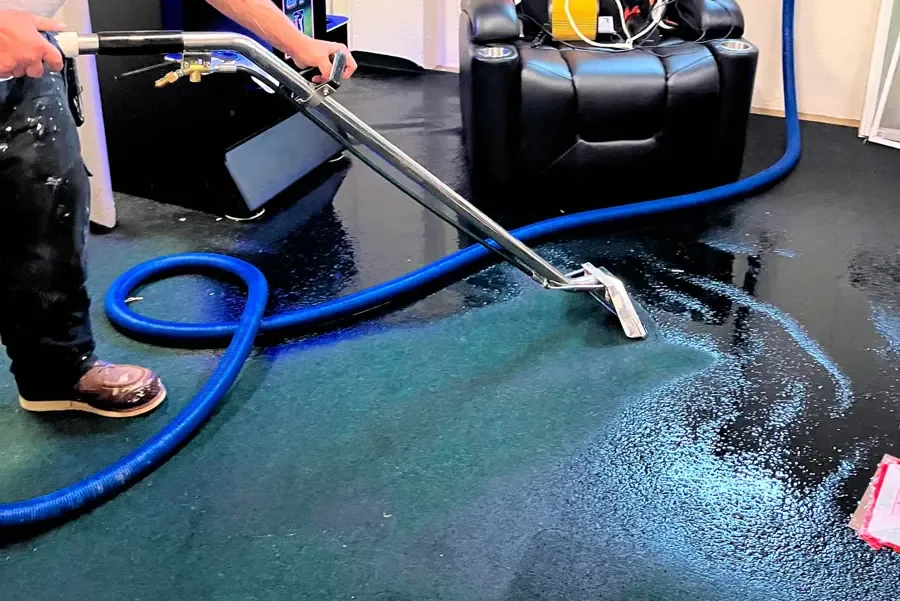
Water damage dried to the IICRC S500 standard
A dry-looking surface can conceal moisture in framing and floor layers. Drying technicians establish a reference, map the affected assembly and keep equipment working until measurements meet the documented goal.
Water Damage Restoration Services in Kelso, WA
A broken supply pipe, contaminated overflow and wet roof cavity need different plans. Choose the source or affected area for the next steps, cleanup scope and drying checks.
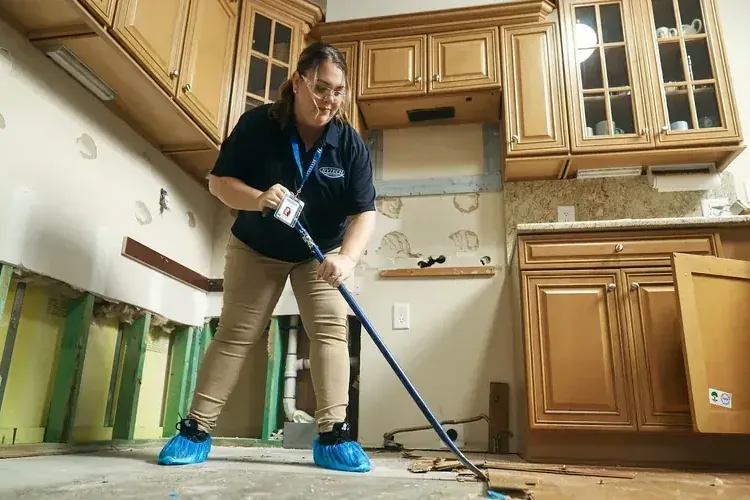
Water Extraction
Standing water comes out before fans start. Extraction technicians check floor edges and adjoining rooms for spread that a puddle hides.
Removing standing water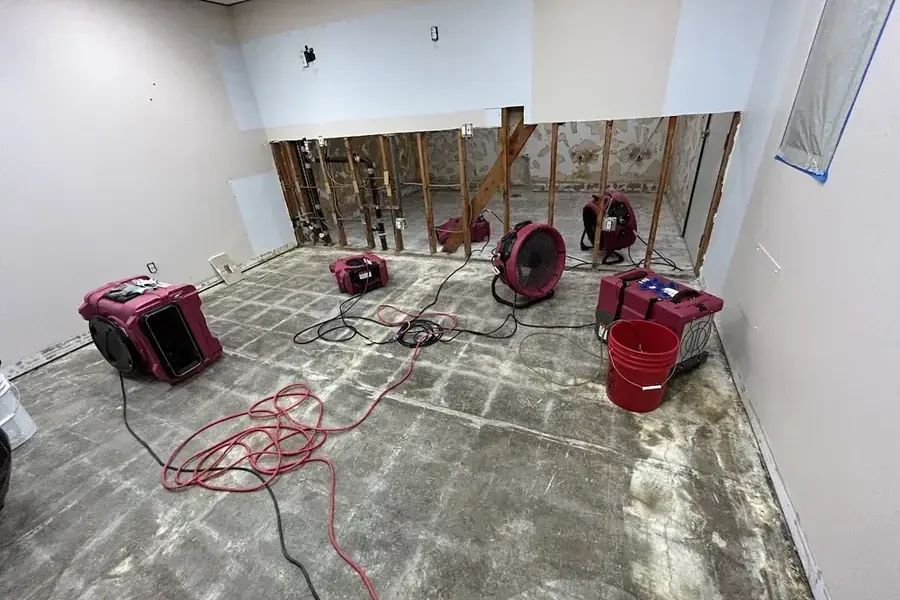
Slab Leak Water Damage
A hidden supply leak can wet flooring from below. Plumbing source repair and slab moisture testing guide the restoration sequence.
Tracing moisture below the floor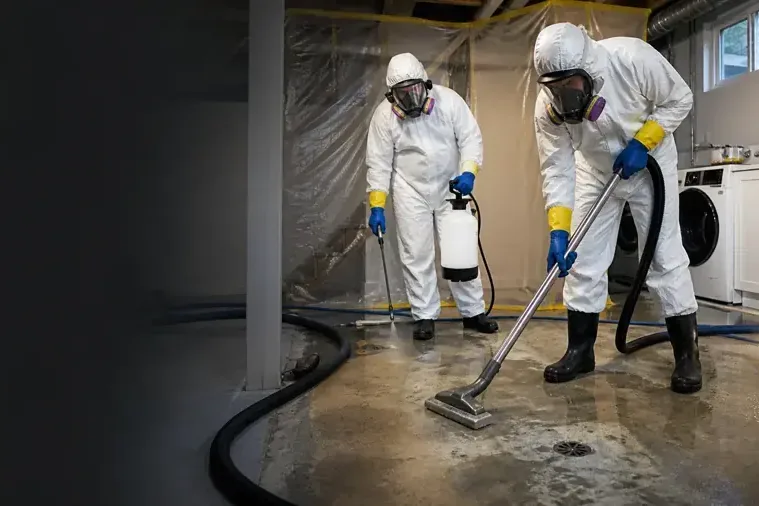
Sewage Backup Cleanup
Wastewater needs controlled access and removal of contaminated porous materials. Cleaning comes before the room returns to ordinary drying.
Containing a sewage backup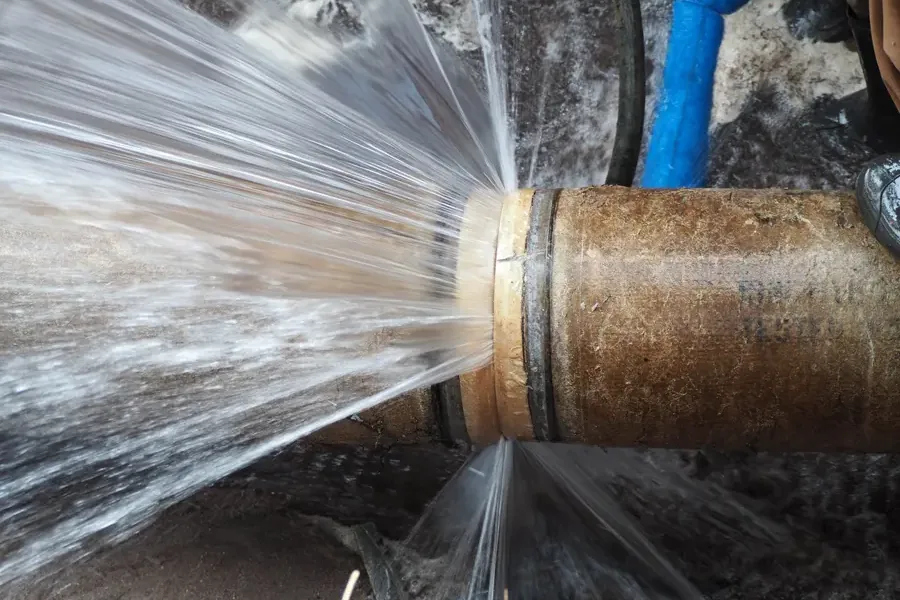
Burst Pipe Water Damage
A ruptured pipe can feed several rooms at once. Shutoff, extraction and open-cavity checks help define the full damage path.
From shutoff to cavity drying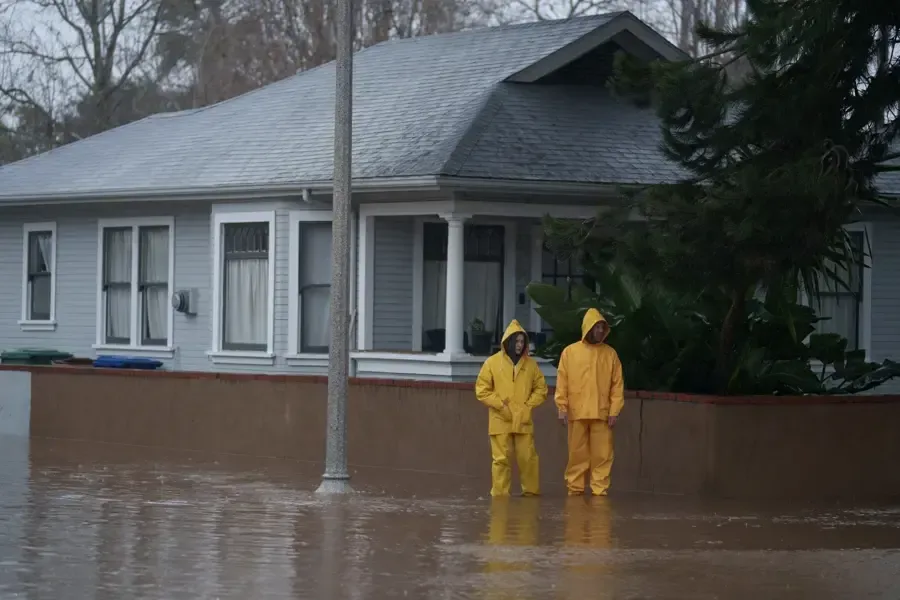
Storm and Flood Cleanup
Water arriving from outdoors can carry soil and contaminants. Crews assess safe access, remove debris and document the flood boundary.
Assessing floodwater entry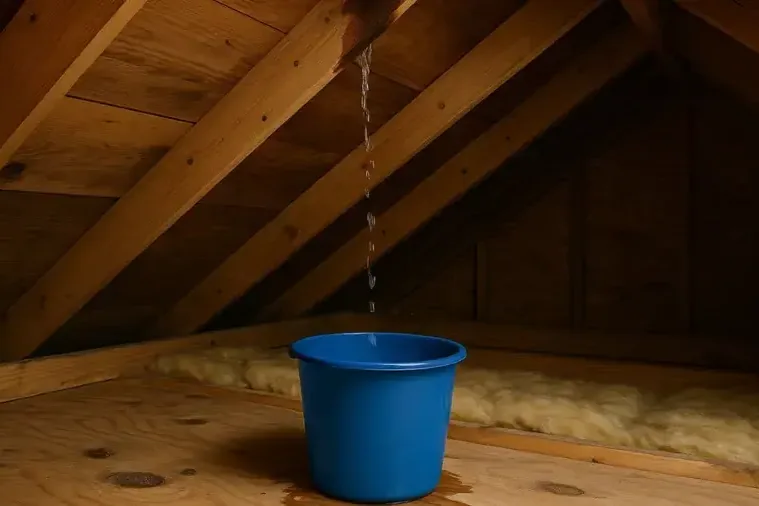
Roof Leak Water Damage
Rain can travel along roof framing before appearing indoors. The roof repair and wet attic materials need separate attention.
Drying the attic after a leak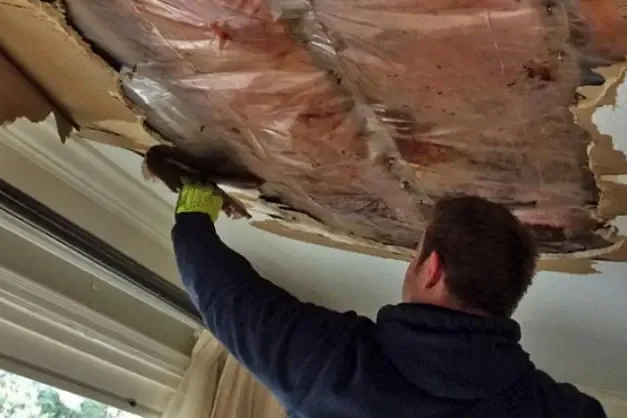
Ceiling Leak Water Damage
Stains and sagging drywall call for an overhead assessment. Technicians trace plumbing or upper-room water before opening the cavity.
Checking wet ceilings safely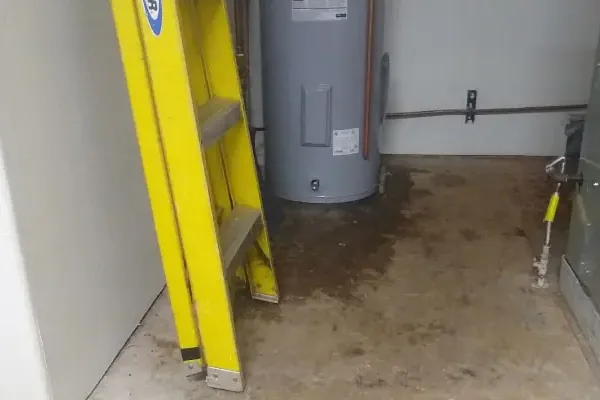
Water Heater Leak Cleanup
A tank leak can spread behind closet walls and beneath nearby floors. Safe equipment isolation comes ahead of water removal.
Cleaning up a leaking tank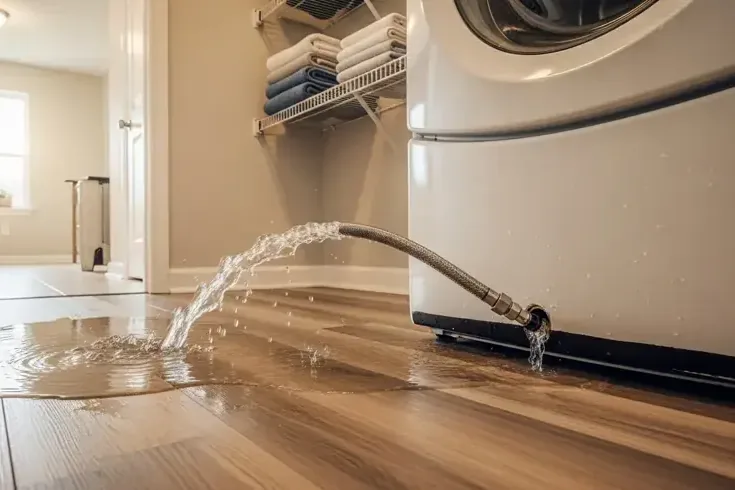
Appliance Leak Water Damage
Washer, dishwasher and refrigerator leaks hide below cabinets. Moisture checks reach the toe kicks and floor layers beside the appliance.
Finding water behind appliances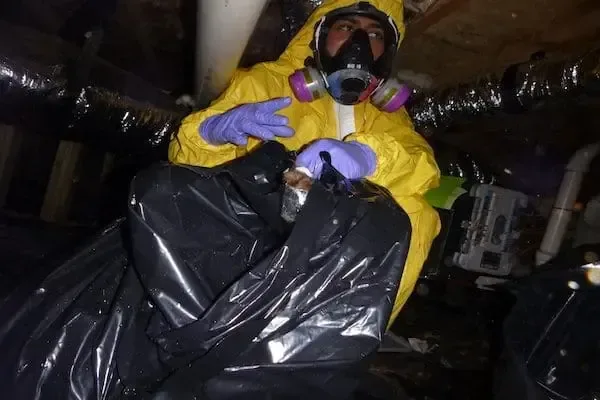
Crawl Space Water Removal
Underfloor water needs a safe access plan. Pumping, wet insulation removal and joist measurements address the space below the living area.
Managing water below the house
Structural Drying
Drying equipment works against measured goals. Airflow, dehumidification and repeat material readings guide the daily adjustments.
Following material moisture readings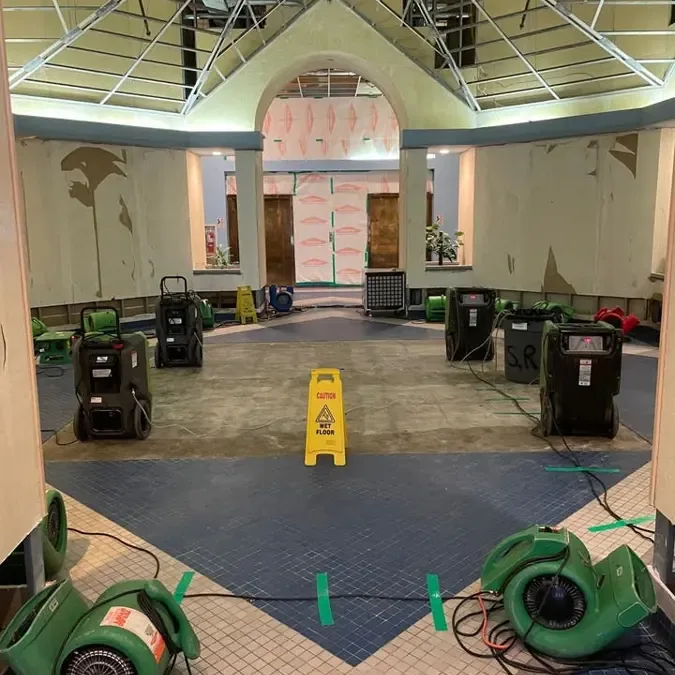
Commercial Water Damage
A business loss needs access coordination as well as drying. Stock records, protected routes and room priorities shape the work.
Planning business cleanup access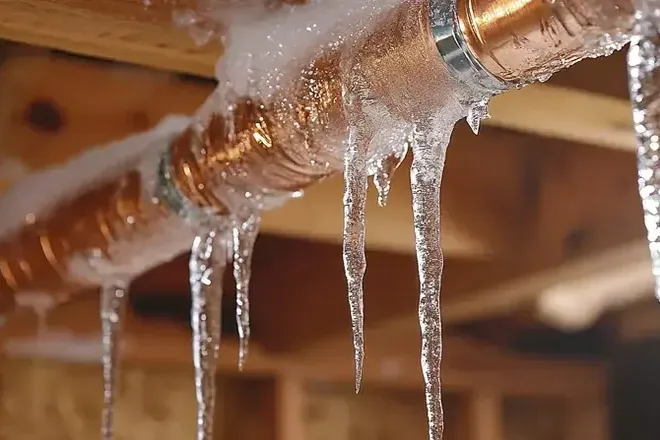
Frozen Pipe Water Damage
A thaw can reveal a split pipe. A plumber isolates the damaged supply while restoration technicians trace water inside walls and floors.
Addressing leaks after a freezeHow a water loss is handled
The responding contractor assesses the source, material layers and safe access before selecting equipment. Each drying decision should answer a condition found inside the building.
Rapid local response
Emergency dispatch is available 24/7. The response team asks about active water, hazards and access before arranging the property assessment.
IICRC S500 drying standard
Moisture mapping and material measurements establish the drying goals. Equipment selection follows the wet assembly and evaporation load.
Claim-ready documentation
Timestamped photographs, category and class notes, room measurements and drying records explain what changed during the cleanup.
Local water experts
Cowlitz River floodwater and an indoor supply leak require different precautions. Technicians identify the actual source before deciding what can remain.
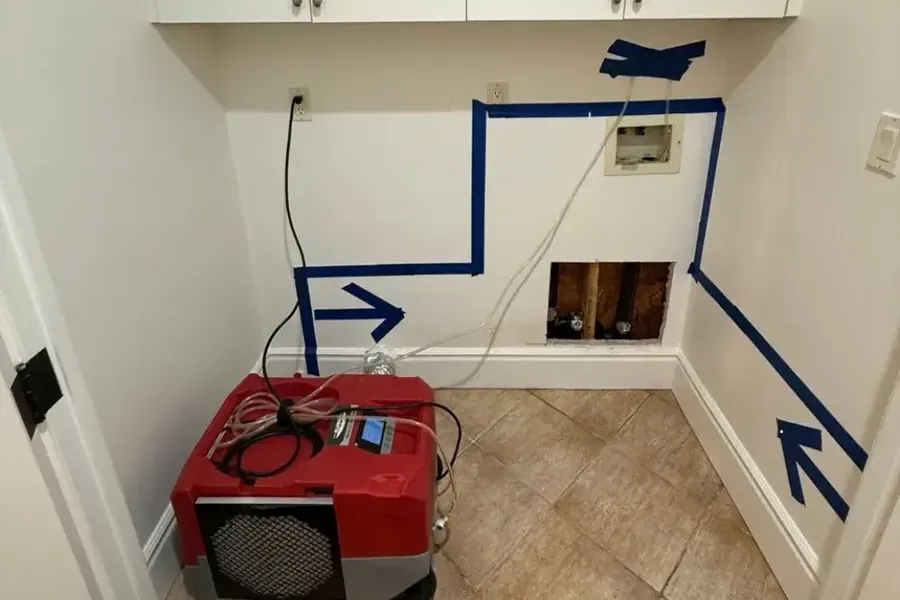
From moisture map to final readings
- Locate the moisture. Technicians check wet surfaces and adjoining dry areas, then mark the readings so each later visit compares the same material locations.
- Remove accessible water. Extraction crews remove standing water and assess wet coverings before air movers increase evaporation from the materials that remain.
- Control the air. The drying team sizes dehumidification to the moisture load and manages airflow without pushing contaminants into unaffected rooms.
- Confirm the endpoint. Final readings compare affected materials with the dry reference. The contractor records remaining repair needs before equipment leaves.
Water damage help across Kelso and nearby towns
Areas and routes
ZIP served
Nearby coverage
What the crew needs to know before arrival
The Cowlitz River divides parts of the city, and State Route 4 and State Route 432 provide crossings toward Longview. Describe any access restriction when arranging an assessment.
The restoration team needs the building type, affected level and source status. A safe entry route lets technicians inspect wet materials without crossing hazards.
(888) 509-1696Discuss access to the wet roomsWater damage around the Cowlitz River
Kelso lies mainly east of the Cowlitz River, with West Kelso across the water. The response starts with the property conditions: outside entry, a failed supply, or drainage that needs attention.
River water
The Cowlitz River and nearby Columbia River define the local setting. Outdoor water that enters a building needs contamination precautions before drying.
Slope movement
March 1998: the Aldercrest-Banyon landslide followed prolonged above-average rainfall. New ground movement or structural distress needs a separate safety assessment.
Municipal systems
The City of Kelso Utility Department provides water, sewer and stormwater services. A public-system report and private building cleanup address different parts of a loss.
Access and room layout
Interstate 5 and the river crossings shape access. Inside the property, stairs, shutoffs and wet electrical equipment determine the safe work route.
Indoor failures
Supply pipes, tanks and appliances can release water independently of river conditions. Technicians trace the source and measure hidden spread before setting equipment.
May and June 1948: The regional spring flood record names Kelso and Longview among affected communities. Current warnings and site conditions determine safe access today.
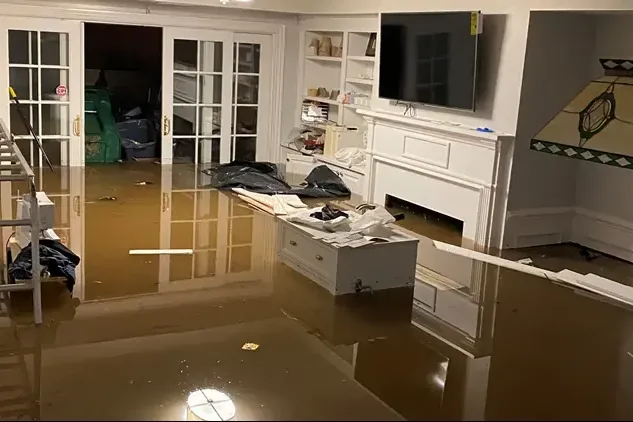
All water damage categories covered in Kelso, WA
Category 1: clean supply
A newly broken drinking-water pipe starts differently from dirty runoff. The restoration team checks time and contact materials before planning salvage.
Extract supply waterCategory 2: contaminated water
Appliance discharge can carry contaminants into flooring and cabinet bases. Technicians assess removal and cleaning before choosing a drying method.
Assess appliance dischargeCategory 3: sewage or floodwater
Sewage and outdoor floodwater need containment and careful disposal. Contaminated porous materials require removal rather than routine drying in place.
See sewage cleanup stepsWhat a water damage dry-out looks like in Kelso
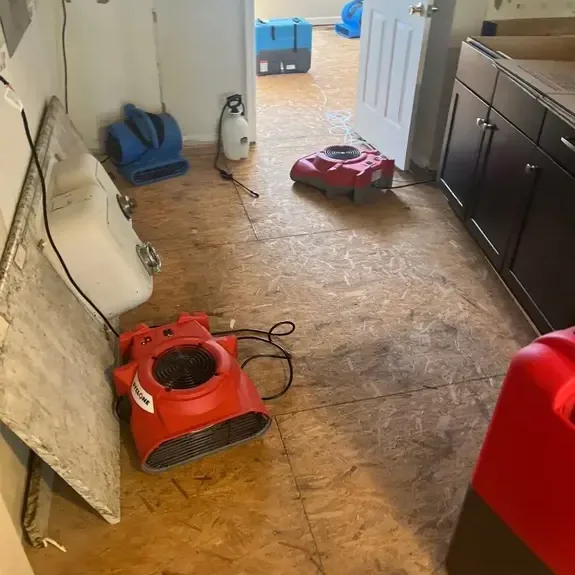
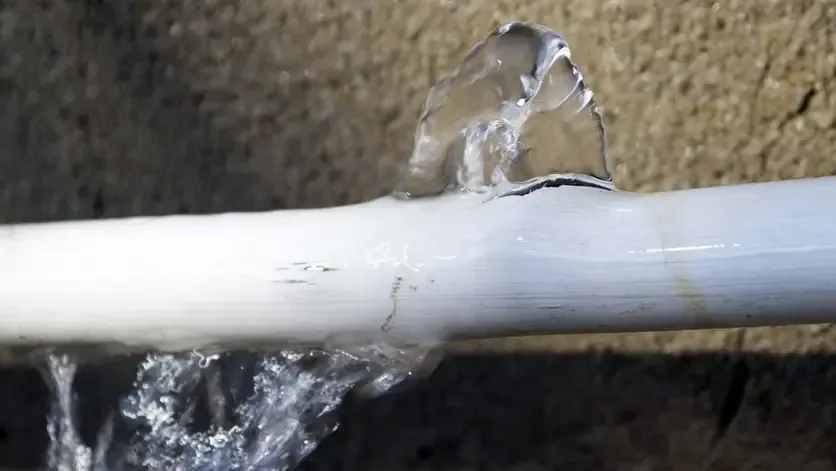
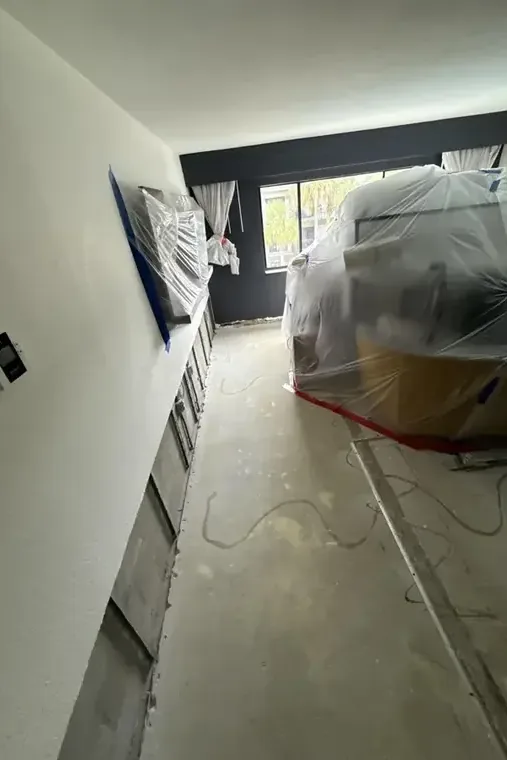
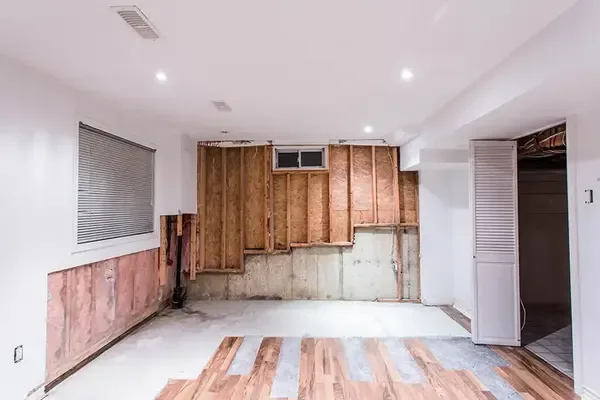
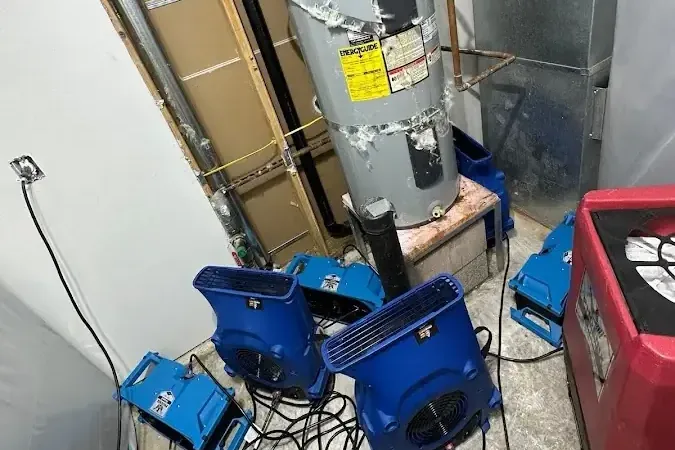
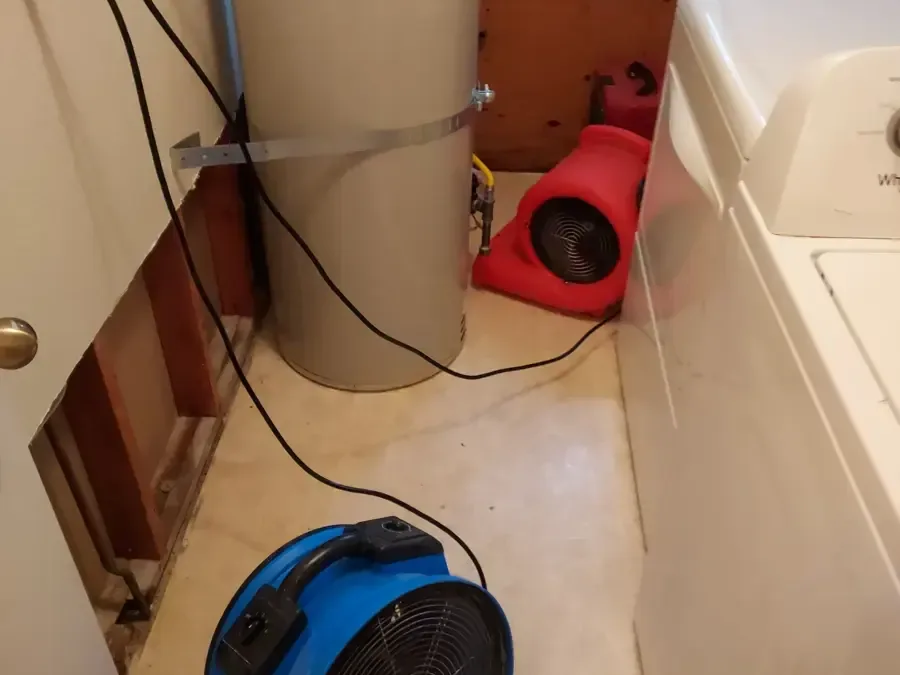
What does water damage restoration cost in Kelso, WA?
Typical mitigation ranges from $1,000 to $8,000 for many residential losses, with extensive contamination or concealed saturation costing more. Water category, room size, material access and the delay before extraction drive the scope.
Contained room
$1,000 to $2,500
- Accessible extraction
- Limited wet materials
- Moisture checks
Several wet rooms
$2,500 to $5,000
- Expanded moisture map
- Multiple drying zones
- Daily equipment adjustments
Complex contamination
$5,000 to $8,000+
- Controlled removal
- Material disposal
- Detailed drying records
What to do while the water is still moving
- Close a safe supply valve. A reachable shutoff can stop a fixture or pipe leak. Leave inaccessible valves and flooded electrical areas to qualified responders.
- Keep people clear. Block access to sewage, sagging ceilings and water near electrical equipment. Children and pets need a dry route away from the damage.
- Record the first condition. Take photographs from a safe position before contents move. Note when the water appeared and any shutoff or repair already completed.
- Protect dry belongings. Move light, dry valuables only when access is safe. Leave soaked furniture and heavy objects for an assessment of handling and contamination.
- Describe the building. Explain floor levels, affected rooms and entry restrictions. The response team uses those details to prepare for extraction and moisture testing.
Documentation for your insurance claim
A useful claim record connects the first visible damage with the moisture findings and completed mitigation. Restoration professionals document the work; the insurer evaluates coverage under the policy.
- Photographs before materials move or demolition begins.
- Room-by-room moisture map and dry reference readings.
- Water source, category and affected material descriptions.
- Daily humidity, temperature and moisture measurements.
- Itemized work scope, equipment records and final readings.
Check the policy details
Sudden pipe damage, long-term seepage, sewer backup and outside flooding can fall under different policy terms. The policyholder should ask the insurer which coverage and deductible apply.
Keep plumber invoices and source-repair records alongside restoration documentation. A complete file helps explain the sequence without promising a claim result or a particular payment.
Plan before you call
Nearby service areas
Water damage questions in Kelso
What should happen before drying equipment starts?
The source must be controlled and the work area checked for electrical, structural and contamination hazards. Extraction removes accessible water first. Technicians then map the remaining moisture and decide whether wet materials can stay or need removal.
Can a floor feel dry while the structure is wet?
Yes. Surface evaporation can leave water below flooring, behind baseboards or inside insulation. Material readings and cavity checks help locate that moisture. Cosmetic repairs should follow verified drying rather than the disappearance of a visible puddle.
Does river flooding require different cleanup?
Outdoor floodwater can carry soil, wastewater and other contaminants. The restoration contractor establishes containment, removes affected porous materials and cleans salvageable surfaces before controlled drying. A clean-water carpet treatment is not an appropriate substitute for flood cleanup.
How does the team decide how much equipment to use?
The drying plan accounts for room volume, wet surface area, material absorption and ventilation. Technicians track humidity and material readings, then adjust air movement and dehumidification as the structure releases moisture. Equipment must match the material and moisture load.
Can household fans handle a sewage backup?
Fans can spread contaminated droplets and dust beyond the affected room. Keep people and pets away from sewage. Trained cleanup personnel isolate the area, remove wastewater and contaminated porous material, clean the remaining surfaces and then begin controlled drying.
Who repairs a leaking pipe or roof?
The appropriate plumbing or roofing contractor corrects the source. Restoration personnel address the water already inside: extraction, affected-material decisions and drying. Clear coordination prevents a repaired pipe or roof from being mistaken for a fully restored room.
How long does a typical dry-out take?
Many contained losses need several days, while dense flooring, concrete or concealed assemblies can need longer. Starting conditions and daily measurements determine progress. The contractor should explain the drying goal and show the final readings before equipment removal.
What should a homeowner keep for insurance?
Keep safe photographs, the time the damage was noticed, source-repair invoices and the mitigation scope. Moisture maps and daily logs add a record of the actual conditions. The insurer decides coverage from the policy and loss details.
Can wet rooms stay occupied during cleanup?
The answer depends on contamination, electrical conditions, open cavities and access. The contractor assesses safe separation and whether essential rooms remain usable. Sewage, unstable ceilings or unprotected electrical equipment can require leaving the affected area entirely.
One call reaches Kelso water damage pros, 24/7
Describe the leak, affected materials and safe access. Restoration professionals assess the water, plan extraction and measure the dry-out.
(888) 509-1696Start with the affected room