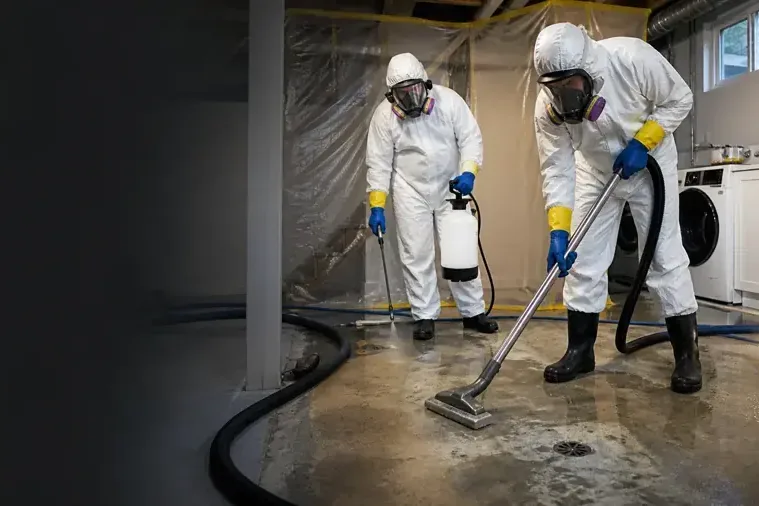
The City of Kelso Utility Department provides water, sewer and stormwater services. A sewage backup report needs to describe the affected fixtures and visible overflow clearly so the sewer investigation can begin while the household arranges interior cleanup. Keeping those tasks organized helps occupants protect dry rooms and gives each person involved the information needed for the next decision.
Key takeaways
- Pause use of fixtures connected to the suspected backup and keep people away from the overflow.
- Describe which drains changed first and what happened before wastewater appeared indoors.
- Keep the utility report, plumbing findings and cleanup photographs in the same incident file.
- Ask the cleanup crew to establish containment and a removal route before moving affected contents.
- Request written cleaning and material decisions before the affected room returns to ordinary use.
Describe what the drains did in a useful sequence
A report is easier to act on when it follows the observed events. The occupant might have noticed a slow fixture, heard a drain change during another appliance's use, or first discovered water around a floor drain; those details belong in the order they occurred.
The description should identify the room and fixture instead of calling everything a bathroom problem. A toilet overflow, water rising in a shower and wastewater appearing at a lower drain give the investigator different places to begin checking how the building drainage is behaving.
The city utility contact can receive the sewer concern while a cleanup company assesses the affected interior. Sewage backup cleanup focuses on exposure, contaminated materials and cleaning, so its work record should remain connected with the findings of the person investigating the drain problem.
- Name the first affected fixture and any additional fixture that changed afterward.
- Note whether laundry, bathing or another water use preceded the overflow.
- Describe ongoing discharge without approaching the contaminated area to measure it.
- Save the report reference and the instructions received for the next property contact.
Pause household water use while the blockage is assessed
Continued fixture use can add water to a drainage problem that is still active. Occupants should stop using the affected fixtures and tell everyone in the home about the restriction, including anyone who might start a dishwasher or washing machine without seeing the overflow.
The next action depends on the plumbing assessment and any instructions from the responding utility. A household should avoid experimenting with repeated flushing to see whether the problem has disappeared, since that can create another release before the cause has been identified and addressed.
If the affected room contains electrical equipment or standing liquid near powered appliances, access needs an additional safety assessment. The occupant can describe the location from outside the room and arrange qualified assistance instead of reaching across contaminated water to unplug or move equipment.
- Leave a clear notice at affected fixtures so another occupant does not use them.
- Tell the property manager which household activities have been paused.
- Keep children and pets away from the room and its doorway.
- Record any fresh overflow after restrictions begin and report the change promptly.
Set a boundary around the contaminated room
Wastewater on a floor affects more than the puddle itself when shoes, cleaning tools or belongings carry it elsewhere. The crew should identify where contaminated space ends and dry space begins, then select a route for equipment and bagged material that protects the rest of the home.
A nearby closet or storage area deserves attention when objects rest directly on the affected floor. Before those items are moved, photographs and a quick room inventory can show which containers contacted the water and which remained on higher shelves away from the release.
Household fans and improvised floor cleaning should wait for the cleanup plan. Equipment placement, removal methods and handling of absorbent materials need to suit the contamination present, with a clear distinction between tools used in the affected zone and items retained for ordinary household cleaning.
- Identify the doorway or barrier that separates the work area from occupied rooms.
- Reserve a handling area for bags and containers leaving the affected room.
- Tell the crew which belongings have already been moved and where they went.
- Avoid carrying contaminated towels or floor mats through unaffected living space.
Separate drain repair from the interior material decisions
A successful drain repair stops the immediate plumbing problem, while the condition of flooring, wall bases and contents still needs evaluation. The repair record should explain what was found and what was done, giving the cleanup team a dependable account of whether further discharge is expected.
Absorbent and washable materials can require different decisions after wastewater contact. The assessment should describe each affected item or assembly, the extent of contact and the proposed cleaning or removal, rather than treating an entire room as though every surface has the same construction.
For liquid removal, the water extraction service should be coordinated with contamination precautions. The work order can distinguish recovery of standing liquid from removal of damaged materials and cleaning of retained surfaces, making the sequence understandable to the owner and anyone reviewing the file.
Document cleaning before planning the drying arrangement
Once affected liquid and unsuitable materials are removed, the exposed surfaces can be inspected and cleaned as required. Photographs at this point are useful because they show the wall base, floor edge and other features previously hidden by furniture, coverings or stored belongings.
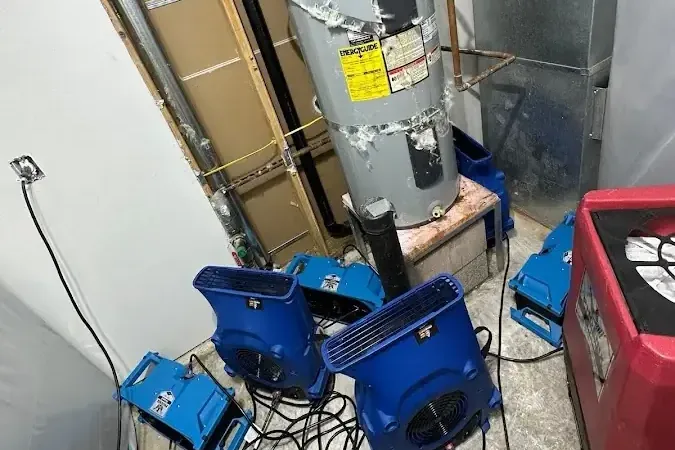
Drying decisions concern the materials that remain after those assessments. Structural drying should identify the measurement locations, equipment arrangement and follow up observations for retained building components, keeping those records separate from the steps used to address sewage contamination.
An owner reading the progress notes should be able to tell whether a room is waiting for cleaning, material removal, moisture reduction or finish repair. Specific task descriptions prevent the vague statement that everything is drying from obscuring a remaining decision about an affected surface.
- Ask which surfaces were retained and what cleaning was completed on them.
- Keep removal photographs with the item or room they describe.
- Request moisture records for retained building materials that require drying.
- Clarify whether barriers must remain in place while the next task is completed.
Give the household an understandable return to use plan
A completion discussion should cover the cause investigation, interior cleanup and any remaining repair work. Each part may have a different responsible contact, so the owner benefits from names, work descriptions and outstanding questions arranged by task rather than scattered across messages.
The room may need replacement flooring, wall finishes or other repairs after cleanup is complete. Those tasks should be listed with the exposed conditions the repair contractor will encounter, including any inspection location or access opening that should remain visible until the handoff is finished.
The incident file can then support later conversations about costs or coverage without depending on an unsupported conclusion about who caused the backup. The most useful record shows what happened at the property, how affected materials were handled and which conditions were checked before normal use resumed.
Questions
Which local department receives a Kelso sewer concern?
The city Utility Department handles sewer services along with water and stormwater. The initial report should identify the affected property and fixture behavior, while the household also arranges assessment of the interior damage.
Should another fixture be flushed to test the drain?
Repeated fixture use can add to an unresolved backup. The person investigating the plumbing should determine when testing is appropriate and what restrictions occupants need to follow in the meantime.
Is plumbing repair the end of sewage cleanup?
The building still needs an assessment of wastewater contact. Flooring, stored belongings and wall edges may need cleaning or removal even after drainage has been restored and no new overflow is visible.
What should the owner keep after the room is cleaned?
Retain the utility report reference, plumbing findings, photographs and itemized cleanup record. A separate list of unfinished repairs helps the household understand which tasks still need scheduling after the contamination work ends.