Structural Drying in Longview
A clean floor can hide damp wood and wall layers. Longview structural drying uses material readings, deliberate access and controlled equipment placement to address moisture that remains after accessible water has been removed.
(888) 509-1696Assess the materials still holding moisture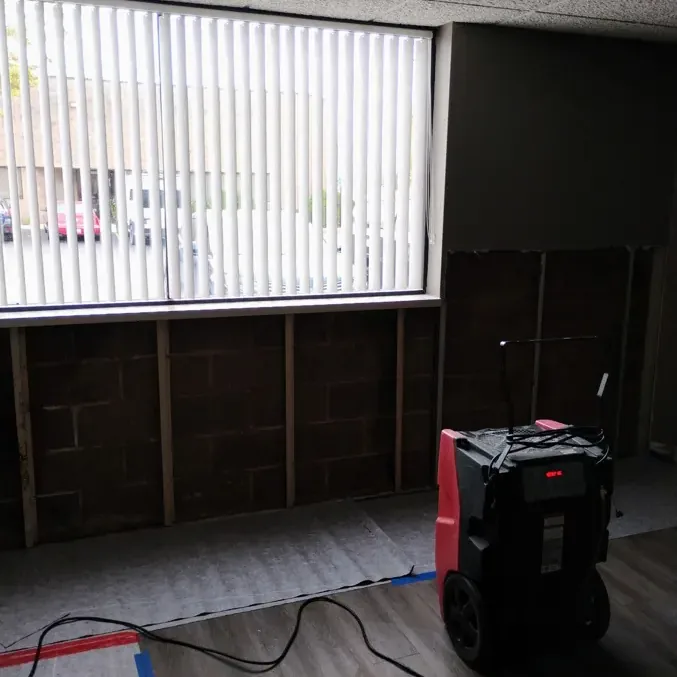
First steps for structural drying
- Keep the source status clear. Share the plumbing or roofing findings before drying begins. Equipment cannot compensate for a continuing release, so any new moisture should be reported as the work progresses.
- Identify valuable retained finishes. Point out decorative trim or flooring that needs careful assessment. The scope can consider reuse while still allowing access to the material holding moisture underneath.
- Maintain the working arrangement. Keep stored belongings away from air paths and avoid moving equipment. Changes to room access or occupancy should be coordinated so the drying setup remains effective.
- Read the completion record. Ask which assemblies were measured and what supports repair readiness. The record should identify retained materials and inaccessible areas still requiring attention.
Water removed from a room can leave moisture inside framing, wall material and the underside of flooring. These assemblies release water differently. A useful drying plan identifies what is wet, how it can evaporate and what prevents access, instead of treating every room as an open space that needs a fan.
The wet assembly determines the drying method
Longview has historic Tudor and craftsman homes, with many historic buildings dating from the initial growth period of 1923 to 1934. At an affected property, retained trim and layered finishes deserve careful assessment. An opening should serve a clear drying purpose while protecting stable material that can be reused during repairs.
Preserve materials through deliberate access
The Longview Civic Center Historic District is part of the city's historic setting. In Monticello and Freeport, individual interiors still need their own material survey. A thick wood section, enclosed wall base and layered floor may require different equipment arrangements even when they were wet during the same release.
- Compare damp locations with suitable dry references in similar materials.
- Expose wet edges where intact finishes prevent moisture from escaping.
- Check insulation that separates airflow from the framing needing treatment.
- Record changes at the same locations throughout the drying period.
Selective removal can make drying more effective without stripping every surface. It can also reveal a hidden pocket that needs additional cleaning or extraction. Water extraction and material handling should be completed as needed before equipment is expected to address absorbed moisture.
Use progress readings to make decisions
Air movers encourage evaporation from accessible surfaces, while dehumidification removes moisture from the air. Their placement depends on the exposed materials and working space. If a reading stops improving, the next step may be a changed setup or better access rather than simply leaving the same equipment untouched.
The endpoint should be documented with material condition and repeat readings. That record supports decisions about equipment removal and closing the opened assemblies. It also gives repair trades a clear account of retained trim, exposed framing and any remaining work before the building receives new finishes.
Do not move drying equipment, block its airflow or unplug it to make room without coordinating the change. Keep cables and walkways clear, and report new water or changing material condition promptly so the drying arrangement can be reassessed safely.
Drying should answer a specific question: which building materials still hold moisture, and what allows that moisture to leave? Describe the affected rooms, retained finishes and any previous water removal to establish a measured restoration scope.
(888) 509-1696Assess the remaining material moistureWhat does structural drying cost in Longview, WA?
Structural drying costs in Longview depend on wet material volume, access and the monitoring needed to reach completion. The estimate should explain equipment use and inspections, with removal and reconstruction clearly separated where they are additional work.
Focused room drying
$1,000 to $2,000
- Accessible wet assemblies
- Targeted equipment arrangement
- Localized progress readings
Several wet assemblies
$2,000 to $3,500
- Connected material zones
- Additional cavity checks
- Broader moisture monitoring
Dense or concealed saturation
$3,500 to $5,000+
- Difficult evaporation paths
- Selective access planning
- Detailed endpoint assessment
Estimate only. Water category, affected materials and access determine the scope. Compare the inputs in the water damage cost calculator.
How structural drying progresses
- 1
Establish material references
The survey identifies affected assemblies and suitable comparison areas, creating a record of initial readings that can be revisited as the materials respond to drying.
- 2
Arrange evaporation and removal
Equipment placement connects airflow with exposed damp surfaces and dehumidification with the working area, accounting for room geometry, obstructions and the materials being retained.
- 3
Revisit stubborn moisture
Repeated checks reveal pockets that are drying slowly. The arrangement is adjusted or access reconsidered when enclosed layers prevent the expected change in material readings.
- 4
Support the repair handoff
Final conditions are recorded alongside removal boundaries and retained components, allowing repair planning to proceed with a clear account of what was dried and inspected.
Related water damage services in Longview
Structural Drying questions in Longview, WA
How can a room feel dry but remain wet?
Air and exposed surfaces can change before dense or concealed materials release their moisture. Wood, wall layers and flooring backing may therefore need further treatment. Material readings help distinguish a comfortable room from an assembly that is ready to be covered again.
Does more equipment always dry the room better?
Equipment needs to match the affected materials and available airflow paths. Adding units without access to a concealed wet layer may not solve the problem. The plan should respond to readings, placement and room conditions rather than equipment quantity alone.
Can decorative trim be saved during drying?
Stable trim may be suitable to retain or carefully remove for reuse. Its condition and the water exposure matter, as does access behind it. The inspection should explain how preservation fits with drying the wall base or flooring that the trim covers.
Why are the same locations measured again?
Repeated readings make change easier to assess. Comparing different locations each time can obscure a wet pocket that is not improving. A consistent record helps show which assemblies are responding and where equipment adjustments or additional access may be needed.
Should windows stay open while equipment runs?
The drying arrangement depends on controlled conditions and the specific setup. Window or door changes should be coordinated with the restoration provider. Unplanned ventilation can alter the working environment and make the equipment less effective at treating the intended materials.
What happens if a hidden area stays damp?
The cause needs reassessment. Continuing entry, dense material or insufficient access can slow progress. The next step may involve source correction, equipment adjustment or selective opening, with the reason documented before repair finishes cover the area and limit further inspection.
Structural drying in Longview
Structural drying in Longview addresses affected interiors around Monticello, Freeport and the civic district, with equipment and access selected for the materials actually holding moisture.
The same service nearby: structural drying in Kelso, Rainier, Ridgefield.
Discuss access, equipment placement and recorded drying progress
The completion decision can then rest on the condition of the actual assemblies before flooring, trim or wall finishes cover them again during repairs.
(888) 509-1696Plan drying around the materials