Water Extraction in Longview
Water trapped at floor level keeps feeding nearby materials. Longview extraction work starts by identifying the source, recovering accessible liquid and checking the edges where a puddle disappears beneath finishes.
(888) 509-1696Arrange removal of pooled water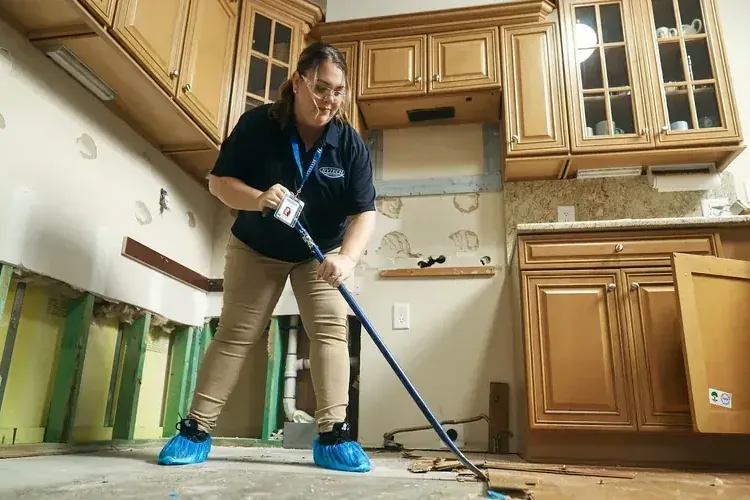
First steps for water extraction
- Observe from dry flooring. Identify where the water is collecting without crossing the puddle. Note electrical equipment, loose flooring and wastewater odor before considering entry.
- Limit further inflow. Use a safely reachable supply valve when the source is an indoor pipe. Continuing outdoor entry needs a separate plan before sustained extraction can succeed.
- Keep dry rooms separate. Avoid dragging soaked furnishings across unaffected floors. Set aside a clear access route so removal equipment can reach the water without spreading wet debris.
- Describe retained water. Report soaked carpet, enclosed closets and water beneath cabinets. These details help distinguish a simple surface recovery from an extraction job involving concealed pockets.
The deepest puddle is often the easiest water to find. A soaked carpet edge or wet cabinet toe space can hold liquid after the center of a room has been cleared. Extraction in Longview should follow those reservoirs and leave a practical starting point for the drying stage.
Separate outdoor entry from a contained spill
At the junction of the Cowlitz River and Columbia River, the city has a substantial water setting. Lake Sacajawea also discharges overflow through the diking system. For an individual cleanup, the inspection begins with the actual source: water crossing an exterior opening needs different handling from a recent interior supply release.
That distinction affects equipment use, protective measures and decisions about porous flooring. Tracking water from the entry point through adjoining rooms helps establish where removal is needed. Photographs taken before pumping can preserve the original extent when the visible water changes quickly during the work.
Recover water from the material holding it
A hard floor allows surface recovery, but joints and edges still need testing. Carpet can conceal saturated padding that does not respond to a superficial pass. Fixed cabinets, low furniture and storage boxes can interrupt access, so moving or opening items should serve a specific inspection or removal purpose.
- Check thresholds where water crosses from tile onto absorbent flooring.
- Inspect closets connected to the wet room before declaring the boundary.
- Evaluate padding separately from the carpet surface above the spill.
- Record areas that remain inaccessible beneath permanent cabinetry or heavy contents.
Plan for what extraction leaves behind
Once accessible liquid is recovered, moisture still held inside wood and wall materials needs a drying plan. Readings can identify a wet baseboard or dense floor layer that looks normal. Structural drying addresses those retained moisture pockets with monitored equipment rather than repeated surface extraction alone.
In Monticello, Freeport and other parts of the city, the useful handoff is a record of the water source, recovered areas and assemblies still wet. An estimate should distinguish liquid removal from cleaning, material disposal and continuing drying so each stage has a clear purpose.
Standing water beside an outlet, appliance cord or electrical panel is a reason to stay outside the room. Do not enter to retrieve a household vacuum. Electrical safety must be established from a dry location before people or powered extraction equipment move into the affected space.
Water covering a floor needs a removal plan that accounts for hidden edges as well as the visible pool. Describe the surface, source and access so the extraction scope can be discussed.
(888) 509-1696Clear the pooled floor waterWhat does water extraction cost in Longview, WA?
Longview water extraction ranges reflect the area involved and the difficulty of reaching retained liquid. The estimate should state whether cleaning, padding removal and later drying are included or priced as separate work.
Small accessible area
$500 to $1,000
- Open floor recovery
- Limited wet contents
- Simple equipment access
Several rooms
$1,000 to $2,000
- Connected wet floors
- Additional carpet extraction
- More equipment handling
Difficult access
$2,000 to $3,000+
- Concealed water pockets
- Restricted working space
- Complex removal setup
Estimate only. Water category, affected materials and access determine the scope. Compare the inputs in the water damage cost calculator.
How water extraction progresses
- 1
Classify the release
The inspection establishes the apparent water source and marks the wet footprint, including transitions into adjoining rooms and spaces hidden by movable contents.
- 2
Choose recovery equipment
Pumps or extraction tools are selected for the depth and surface, with containment and handling adjusted to the condition of the recovered water.
- 3
Inspect exposed edges
After liquid removal, accessible flooring edges and wall bases are checked for trapped moisture that could require lifting, selective opening or additional extraction.
- 4
Set the drying scope
Readings identify the remaining wet assemblies, and the work is documented so cleaning, drying and repair tasks follow the condition of the room.
Related water damage services in Longview
Water Extraction questions in Longview, WA
Is extraction the same as drying?
Extraction physically removes liquid. Drying deals with moisture still absorbed into materials after that liquid is gone. A floor may need both stages, particularly where padding, seams or wall bases have stayed wet beneath a surface that has already been cleared.
Can carpet stay in place during removal?
Sometimes, depending on the water source, condition and access beneath it. Padding may need separate attention even when the carpet face looks recoverable. The inspection should explain what can be reached and whether leaving the layers together would trap water.
Should furniture be moved before the visit?
Dry belongings can be moved along a safe route when the floor is stable. Heavy, soaked or contaminated items are better left for a coordinated handling plan. Photographs of the original placement can help show how water reached nearby materials.
Why inspect a closet with no puddle?
Water can travel beneath a threshold or along a shared wall base. A closet floor can retain moisture beneath an apparently dry surface. Moisture readings and edge inspection can reveal connected damage before stored items conceal it.
Will pumping prevent another flood entry?
Pumping removes water already present. Exterior entry routes, continuing runoff or a damaged supply pipe need their own correction. The removal plan should identify ongoing inflow so equipment is not treated as a substitute for stopping the source.
What records help explain the work?
Useful records include the original water extent, affected materials, extraction areas and post-removal readings. Together they show why additional drying or selective access was necessary. Keeping those records alongside the written scope makes later repair decisions easier to follow.
Water extraction in Longview
Extraction planning covers affected properties in Longview, including Monticello and Freeport, with access, water depth and flooring condition discussed before equipment placement begins.
The same service nearby: water extraction in Kelso, Rainier, Ridgefield.
Discuss carpet, hard floors and enclosed pockets
After accessible water is recovered, moisture readings determine which materials still need drying and whether any covered areas require further access.
(888) 509-1696Discuss the extraction boundary