Storm and Flood Cleanup in Longview
Water crossing a doorway can leave sediment beneath flooring and inside wall edges. Longview flood cleanup considers where the water entered, what it carried and which interior materials need removal or drying.
(888) 509-1696Discuss the outdoor water entry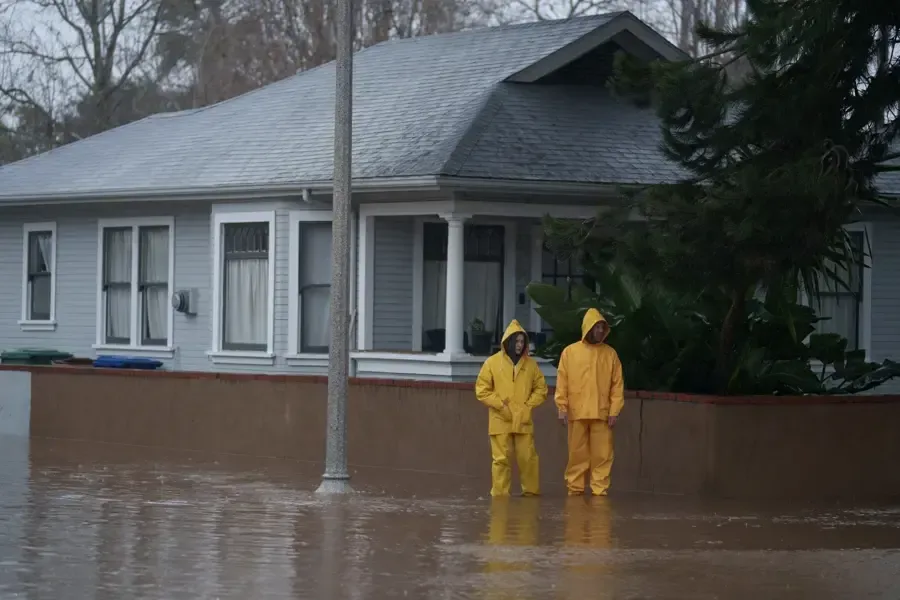
First steps for storm and flood cleanup
- Wait for safe access. Keep occupants outside flooded rooms until electrical and structural hazards have been assessed. Observe entry points from dry ground without stepping into moving or obscured water.
- Record water marks. Photograph the level and sediment pattern from a safe position. Those marks can help explain the spread after water recedes or removal begins.
- Separate affected contents. Avoid carrying wet boxes and rugs across clean rooms. Leave contaminated items within the work boundary until a handling and disposal route is established.
- Describe continuing entry. Report whether water still crosses a threshold or appears at a wall base. Ongoing inflow must be considered alongside interior recovery and cleaning.
A flood leaves a path through the building: a wet threshold, silt along a wall and soaked contents on the floor. Recording that path helps distinguish the water entry from the damage it caused farther inside. Cleanup should address both the obvious deposit and moisture beneath the finished surfaces.
Start with the property's entry route
Lake Sacajawea receives water pumped from the Cowlitz River, and overflow leaves its south end through the diking system toward the Columbia River. Lake levels rise during the rainy season and are managed within the city flood control program. At a damaged home, the immediate inspection follows the opening through which outdoor water arrived.
December 1867: Cowlitz River flooding destroyed Monticello. Present cleanup decisions still depend on the current building conditions: whether entry continues, whether floors are stable and whether electrical equipment has been exposed. The first accessible room is not necessarily the only one requiring treatment.
Handle what outdoor water carried indoors
Water from outside can bring sediment into seams and porous materials. Cleaning a visible hard surface may leave contamination beneath a floating floor or behind trim. A removal plan should consider the affected layers and establish a route for debris that avoids spreading residue through unaffected rooms.
- Photograph residue and water marks before they are cleared away.
- Identify soaked contents that obstruct inspection of walls and floors.
- Inspect connected spaces where water passed under a closed door.
- Separate cleaning work from the correction of the exterior entry route.
Move from cleanup to a dry interior
Once accessible water and unsuitable materials are removed, exposed surfaces can be cleaned and prepared for drying. Dense or enclosed assemblies may need additional access. Measured drying tracks retained moisture and helps establish when the affected portions of the building can accept replacement finishes.
In Freeport or near Hemlock Plaza, describe the lowest wet room and any continuing seepage during the initial discussion. The scope should explain which materials are retained, which are discarded and what remains outside the interior restoration work, such as correcting an exterior drainage defect.
Stay out of moving water and rooms with uncertain electrical safety. Do not walk through a flooded area to rescue belongings or operate plugged-in equipment. A safe access assessment comes before pumping, debris handling or inspection behind damaged interior finishes.
Outdoor water leaves more to assess than the visible puddle. Describe where it crossed into the building, any sediment and the rooms it reached to establish a practical interior recovery scope.
(888) 509-1696Assess the flood entry pathWhat does storm and flood cleanup cost in Longview, WA?
Longview flood cleanup ranges depend on contaminated materials, sediment and how far outdoor water traveled indoors. The proposal should distinguish recovery, cleaning and drying from exterior drainage correction and the later replacement of damaged finishes.
Limited outdoor entry
$3,000 to $5,000
- Localized sediment cleanup
- Accessible floor removal
- Focused interior drying
Several flooded rooms
$5,000 to $9,000
- Connected wet areas
- Additional porous disposal
- Expanded surface cleaning
Major saturation
$9,000 to $15,000+
- Extensive assembly exposure
- Complex debris handling
- Broader drying monitoring
Estimate only. Water category, affected materials and access determine the scope. Compare the inputs in the water damage cost calculator.
How storm and flood cleanup progresses
- 1
Survey the entry pattern
The assessment records exterior entry points and the indoor water path, with particular attention to electrical exposure, instability and rooms connected beneath floor finishes.
- 2
Recover water and residue
Accessible liquid and deposited debris are removed using handling methods suited to outdoor water, while affected contents and porous finishes are evaluated for disposal.
- 3
Expose and clean layers
Necessary removal allows hidden surfaces to be inspected and cleaned, preventing sediment beneath trim or floor coverings from being overlooked during the restoration sequence.
- 4
Monitor retained materials
Drying equipment targets the remaining wet assemblies, and repeat readings show whether additional access is needed before the building moves into the repair stage.
Related water damage services in Longview
Storm and Flood Cleanup questions in Longview, WA
Is outdoor floodwater handled like a sink spill?
No. Outdoor water can carry soil and contaminants into the building. That changes material handling and cleaning decisions. The inspection should establish where it traveled and what absorbed it before treating the room as a straightforward clean-water drying job.
Can cleanup begin while water is still entering?
The ongoing entry has to be included in the plan. Some recovery may be useful, but uncontrolled inflow can rewet cleaned materials and make ordinary drying ineffective. Access safety and the source of continuing water should be assessed first.
Why remove material above the visible water mark?
Moisture can move into absorbent materials beyond the obvious mark. Readings and condition should determine the actual removal boundary. A clearly explained scope shows why an area needs access instead of relying only on the height of the original puddle.
Should sediment be swept into a household drain?
Deposited material needs controlled collection and disposal. Pushing it into plumbing can create additional problems and spread contamination. Leave substantial residue for the cleanup plan, especially where it is mixed with damaged finishes or material from outdoors.
Will interior cleanup correct the drainage problem?
Interior restoration addresses the damage already inside. A threshold defect, runoff route or other exterior issue may require separate work. Keeping those tasks explicit helps prevent a cleaned room from being treated as protected against another entry.
What indicates that repairs can start?
The source situation must be addressed, contamination work completed and retained materials evaluated for dryness. Repeat readings and photographs support that decision. Replacement finishes should not conceal damp layers or residue that still needs access and treatment.
Storm and flood cleanup in Longview
Flood cleanup discussions cover Longview properties around Monticello, Freeport and Lake Sacajawea, using the actual entry route and interior conditions to define the work.
The same service nearby: storm and flood cleanup in Kelso, Rainier, Ridgefield.
Discuss sediment, wet finishes and safe access
Cleanup can then proceed through removal, cleaning and measured drying, with exterior source correction identified alongside the work needed inside the affected property.
(888) 509-1696Plan the interior flood recovery