Storm and Flood Cleanup in Rainier
Water crossing a doorway brings more than a wet floor. Flood cleanup begins with safe entry, the outdoor water path and an assessment of sediment, contacted belongings and saturated building materials.
(888) 509-1696Discuss water entering from outside
First steps for storm and flood cleanup
- Confirm safe property entry. Report water around entrances and any utility concerns. Interior work needs a safe approach before contents retrieval or removal equipment can be organized.
- Document the outdoor route. Photograph the affected doorway or other opening from a safe position. Note water height and sediment before those clues disappear during cleanup.
- Make a contents list. Identify wet furniture, stored boxes and floor coverings by room. Keep the inventory with photographs before items are moved for cleaning or disposal.
- Separate immediate and later work. Discuss water removal and cleaning first, while recording exterior repairs needed to limit another entry. Reconstruction should follow the condition of retained materials.
February 11 and 12, 2019: a large rain event caused severe flooding on private property between West C Street and US Highway 30. The Fox Creek evaluation recorded approximately 5.2 inches of rain during the heaviest 24-hour period. For a current Rainier loss, the assessment begins with the water that actually reached the building and the openings it crossed.
A local flood record with a specific footprint
Photographs of sediment, water height and affected thresholds help preserve that path. The cleanup team also needs to know whether water is still arriving, whether utilities have been assessed and which entrance can be used without passing through floodwater.
Inventory the room before material removal changes it
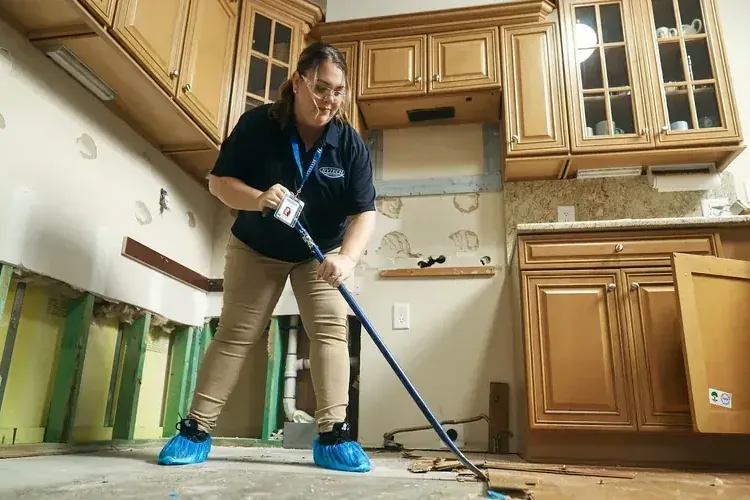
Outdoor water can carry dirt and contaminants into porous finishes and stored contents. Recovering the visible pool makes inspection possible, but the contacted materials still need individual decisions. Carpet cushion, wall insulation and absorbent cabinet components may require removal where effective cleaning is impractical.
- Record the original location of wet contents before moving them.
- Photograph sediment lodged along wall bases and inside low cabinets.
- Inspect adjoining rooms where water crossed a concealed floor transition.
- Separate damaged belongings from dry items awaiting safe retrieval.
A written inventory should distinguish cleaning candidates from items recommended for disposal. That gives the property owner a way to understand the removal scope and maintain a useful record without handling contaminated objects repeatedly.
Drying follows exposure and cleaning decisions
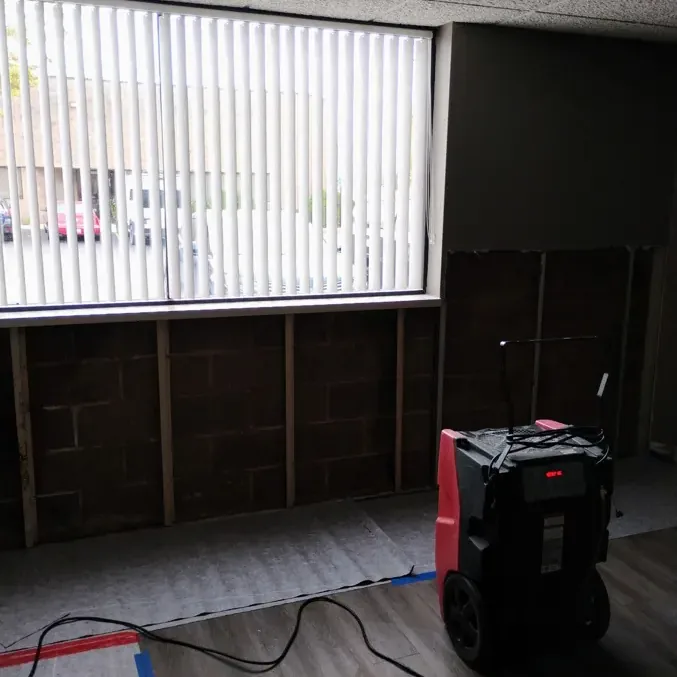
Retained framing and other suitable materials need access for cleaning and moisture removal. Equipment cannot compensate for inaccessible contamination beneath a floor covering. The scope should establish the required openings before structural drying work begins around the remaining assembly.
Reconstruction planning should also address the entry route and any unresolved exterior repairs. A fresh wall finish does little for a room that still admits outdoor water. The closing notes should connect the interior work with the remaining source control tasks and the material readings available to the repair contractor.
Flooded rooms may contain concealed electrical and structural hazards. Occupants should wait for a safe entry assessment, avoid moving through standing water and leave sagging finishes undisturbed. Exterior water conditions and official access restrictions should be respected while the interior cleanup is arranged.
Outdoor water leaves a trail through entrances, finishes and belongings. Describe that trail and the current access conditions so the cleanup discussion can establish a safe starting point and the right removal priorities.
(888) 509-1696Review the flood entry pathWhat does storm and flood cleanup cost in Rainier, OR?
Storm and flood cleanup in Rainier has planning ranges from $3,000 to $15,000+. Contamination, saturated materials, contents handling and access conditions affect the scope; exterior repairs and replacement finishes should be distinguished from mitigation.
Limited outdoor entry
$3,000 to $5,000
- Defined wet footprint
- Accessible sediment removal
- Focused cleaning area
Several flooded rooms
$5,000 to $9,000
- Broader contents inventory
- Connected floor inspection
- Multiple material decisions
Major saturation
$9,000 to $15,000+
- Extensive interior removal
- Complex cleaning access
- Expanded drying needs
Estimate only. Water category, affected materials and access determine the scope. Compare the inputs in the water damage cost calculator.
How storm and flood cleanup progresses
- 1
Assess entry and exposure
The inspection establishes a safe work area and documents how water reached the interior. Surface conditions and contacted materials shape the removal plan.
- 2
Recover water and sediment
Extraction and controlled debris removal expose the affected surfaces. Belongings are recorded and separated according to their condition and proposed handling.
- 3
Open and clean affected assemblies
Unsuitable porous materials are removed as needed for access. Retained surfaces receive cleaning before equipment is arranged to address remaining moisture.
- 4
Measure readiness for repair
Drying records identify the condition of the exposed structure. The handoff also lists unresolved entry routes and exterior work needed before finishes return.
Related water damage services in Rainier
Storm and Flood Cleanup questions in Rainier, OR
Is outdoor floodwater treated like a pipe spill?
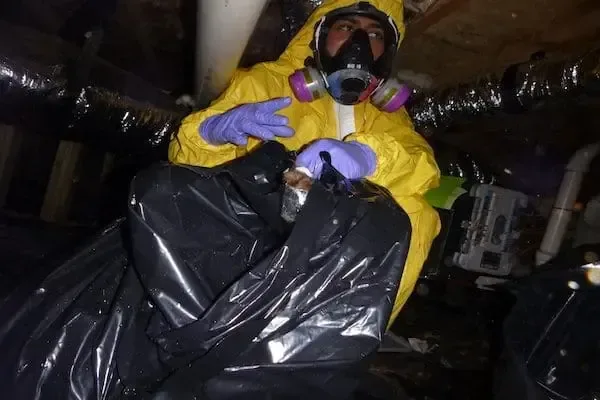
The contact conditions differ because outdoor water can carry sediment and contaminants. The inspection evaluates the surfaces and contents it reached before retention decisions are made. Protective separation, cleaning and removal may be necessary beyond ordinary extraction of a recent supply escape.
What photographs help after floodwater recedes?
Water marks, sediment trails, wet thresholds and the original arrangement of contents help describe the event. Images should be taken only from a safe position. A room inventory adds context when belongings are later moved or damaged finishes are opened.
Can a wet carpet be cleaned in place?
That requires an assessment of contamination, backing, cushion and the floor below. Outdoor water can reach layers that surface treatment cannot clean effectively. The recommendation should explain which materials can remain and which need removal to expose the assembly.
Does the historical creek event determine current property damage?
Current cleanup is based on the water path and materials at the affected building. The assessment documents the present entry point, water contact and condition of the interior. Those observations define removal and drying decisions for the individual property.
When should repair work be scheduled?
Replacement finishes should follow cleaning and appropriate moisture checks of retained materials. Source control also needs attention so outdoor water does not reenter. The mitigation record gives the repair contractor the openings, material conditions and outstanding work to consider.
What should be discussed with the insurer?
The policyholder can provide the discovery timeline, photographs, contents inventory and mitigation estimate. The insurer evaluates coverage under the policy, including how the water entered. Clear documentation is useful even when the owner pays directly for initial protective work.
Storm and flood cleanup in Rainier
Rainier flood assessments start with the property entrance, current water conditions and affected level. Report blocked access or continuing outdoor entry before arranging interior work.
The same service nearby: storm and flood cleanup in Kelso, Longview, Ridgefield.
Mention sediment and wet contents
A room inventory and photographs of water marks help preserve the loss record while damaged materials are assessed for cleaning, removal and drying.
(888) 509-1696Arrange an interior flood assessment