Structural Drying in Ridgefield
The last puddle can disappear while building materials still hold water. Structural drying uses measured conditions, appropriate access, and controlled equipment placement to remove that retained moisture before the affected assembly is closed again.
(888) 509-1696Discuss retained building moisture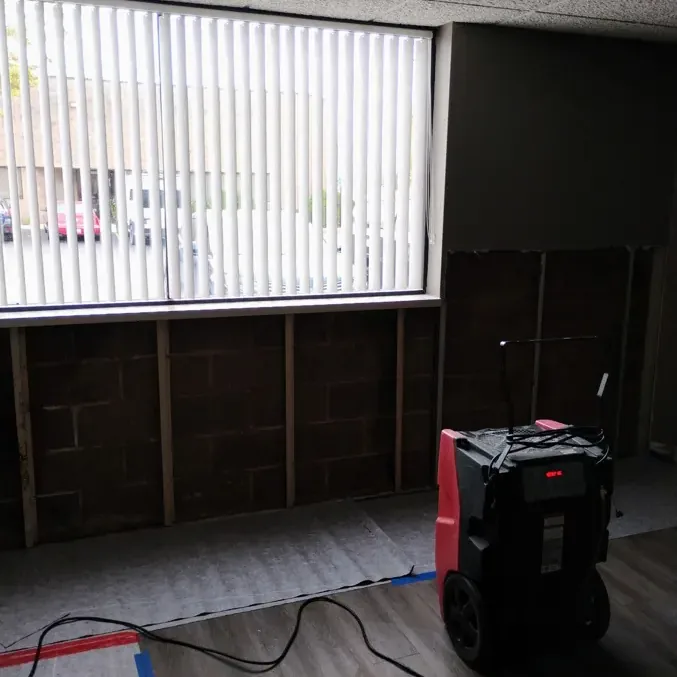
First steps for structural drying
- Explain the original water event. Describe the source, affected rooms, and completed removal work to establish which building materials still need drying.
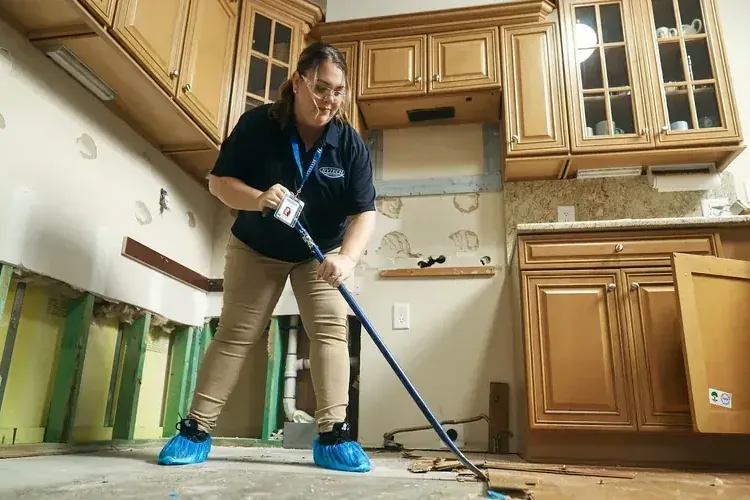
- Identify concealed layers. Point out cabinets, built in finishes, floor coverings, or closed cavities that may restrict access to wet material and require discussion before equipment placement is finalized.
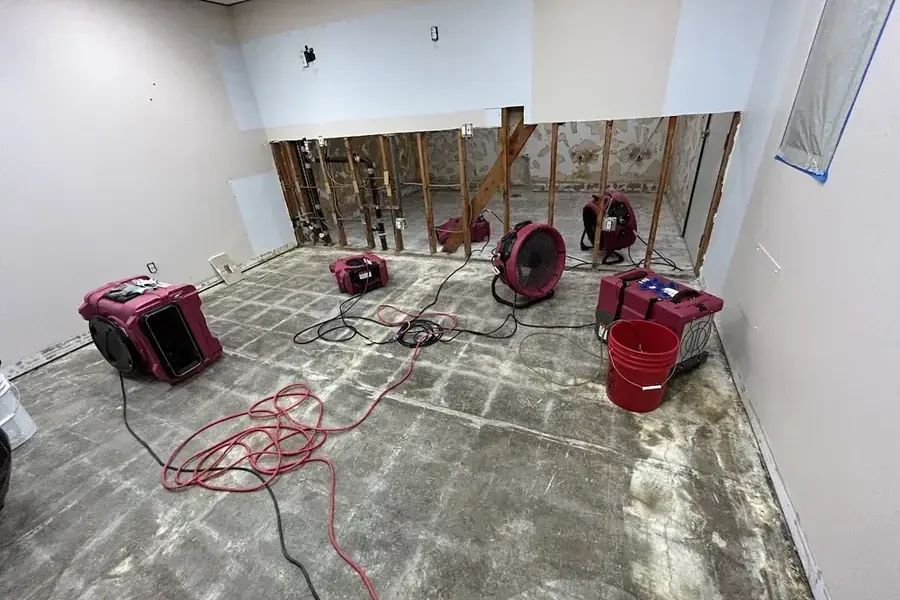
- Keep the drying area workable. Arrange daily movement around the designated routes and leave equipment positioning unchanged unless the drying contractor directs an adjustment for safety or improved material response.
- Ask about the completion record. Clarify which materials will be measured and how the results will support the handoff to repair work, including any areas that need continued access or investigation.
A room can look ready for repairs while its framing or floor layers still need work. Structural drying in Ridgefield begins by identifying which materials retained water after extraction. Measurements establish the drying area, reveal barriers to access, and provide a record against which later progress can be compared.
Set a material based drying objective
A dense floor layer and exposed wall framing do not necessarily respond at the same pace. The assessment considers the assembly and appropriate dry comparisons. At a Pioneer Canyon property, the practical question is which measured surfaces remain wet, not whether the room has already spent a set period beside equipment.
At a Discovery Ridge home, an intact finish may conceal the material that most needs attention. Selective access can reveal that layer and show whether it is suitable to retain. Drying decisions should follow those findings before replacement trim or paint seals the area again.
Arrange equipment around the exposed moisture
Air movement helps moisture leave materials, while dehumidification collects moisture from the room air. Placement needs to account for the wet assembly, available power, safe walking routes, and the boundaries of the drying area. Equipment should not be moved casually after that arrangement is established.
- Record the same material locations so later readings can be compared meaningfully.
- Check concealed edges when an exposed surface improves but adjoining layers remain wet.
- Adjust the setup when progress stalls or new wet material becomes accessible.
- Keep drying access available until the completion assessment supports closure.
Make the handoff explain the result
For a Seven Wells owner, the final record should identify the materials assessed and the readings supporting the repair decision. Water extraction and drying are separate stages, and removing equipment should reflect the remaining material condition rather than only the absence of standing water.
Any unfinished source repair or unassessed cavity belongs in that handoff. The repair contractor needs to know what is ready to close and what still requires access. This helps coordinate finish work around the measured state of the building instead of a calendar assumption.
Keep equipment cords and work areas clear of ordinary foot traffic. Do not switch off or relocate drying equipment without discussing the effect on the setup. Wet electrical components and unstable materials require attention before the drying area is used normally.
Drying decisions should follow the materials that remain wet. Describe the original loss, the openings already made, and the finishes waiting for repair so the assessment can focus on access and measurable progress through the affected assembly.
(888) 509-1696Assess moisture before closing materialsWhat does structural drying cost in Ridgefield, WA?
Structural drying costs in Ridgefield depend on the affected assembly, accessible surfaces, and equipment needed to manage retained moisture. These ranges describe drying scope; necessary extraction, material removal, and rebuilding should be itemized separately.
Focused room drying
$1,000 to $2,000
- Limited material footprint
- Accessible wet surfaces
- Targeted equipment placement
Several wet assemblies
$2,000 to $3,500
- Connected material checks
- Multiple exposed layers
- Broader moisture monitoring
Dense or concealed saturation
$3,500 to $5,000+
- Restricted drying access
- Persistent retained moisture
- Additional setup adjustments
Estimate only. Water category, affected materials and access determine the scope. Compare the inputs in the water damage cost calculator.
How structural drying progresses
- 1
Establish starting conditions
Affected materials and dry comparisons are measured, defining the drying boundary and identifying assemblies that require continued attention.
- 2
Provide useful material access
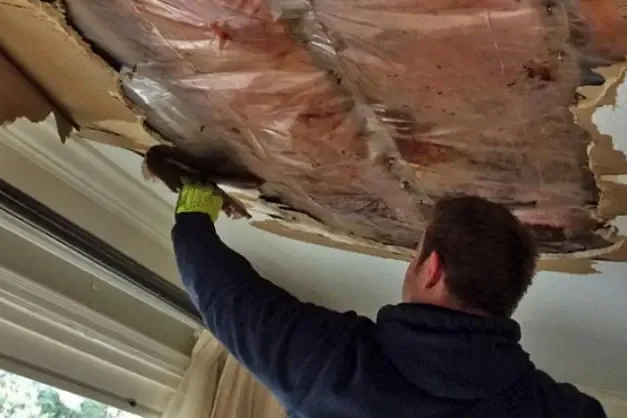
Necessary openings expose retained moisture while unsuitable layers are addressed, allowing the drying arrangement to act on the actual wet material instead of an intact covering.
- 3
Measure and adjust the setup
Equipment performance and material readings are checked together, with changes made where concealed edges or dense components respond differently from the more exposed surfaces nearby.
- 4
Support the repair decision
Completion documentation records the assessed material condition and remaining access needs, giving the owner and repair contractor a practical basis for closing and refinishing the affected assembly.
Related water damage services in Ridgefield
Structural Drying questions in Ridgefield, WA
Why dry a room after standing water has been removed?
Extraction removes accessible liquid, while porous building materials can retain moisture beneath their surfaces. Drying targets that retained water. Measurements identify which assemblies still need attention and help prevent replacement finishes from covering damp framing, underlayment, or enclosed wall edges.
Can a surface feel dry while the layer below stays wet?
Yes. Surface appearance and touch provide limited information about concealed material. Appropriate moisture checks and selective access can reveal retained wetness underneath. The assessment should connect the visible improvement with the condition of the layers that will remain in the building.
Does more equipment always produce a better result?
Equipment needs to suit the affected assembly and the room conditions. Placement, access, and moisture collection matter alongside capacity. Monitoring shows whether the arrangement is working and whether a barrier or hidden layer needs attention before simply adding more machines.
Can occupants turn equipment off during the evening?
Interruptions can affect the drying environment and should be discussed before changing the setup. The contractor can explain access and noise concerns in relation to the plan. Equipment controls and positioning should follow that agreement while the material condition is monitored.
How is the drying period determined?
The assembly, amount of retained moisture, and response to the setup determine the work. Successive readings help show progress. A fixed period alone is insufficient for deciding when dense or concealed layers are ready for the next repair stage.
What makes a drying report useful to the repair contractor?
It should identify measured locations, retained materials, removed layers, and the condition supporting closure. Any unresolved source problem or unassessed cavity should be stated clearly. This allows the repair scope to follow the building's documented condition instead of relying only on appearance.
Structural drying in Ridgefield
Material drying assessments can include Pioneer Canyon, Discovery Ridge, and Seven Wells properties, with the actual wall, floor, or ceiling assembly determining equipment and access needs.
The same service nearby: structural drying in Kelso, Rainier, Longview.
A dry looking surface needs a material check
The next scope can explain equipment placement, monitoring locations, and the record needed to support repair work while keeping unresolved cavities accessible until their condition is assessed.
(888) 509-1696Discuss a measured drying approach