Slab Leak Water Damage in Ridgefield
An unexplained damp patch deserves investigation before a replacement floor covers it. Slab leak cleanup coordinates plumbing diagnosis with assessment of the finishes and other materials that escaped water has affected.
(888) 509-1696Discuss unexplained floor dampness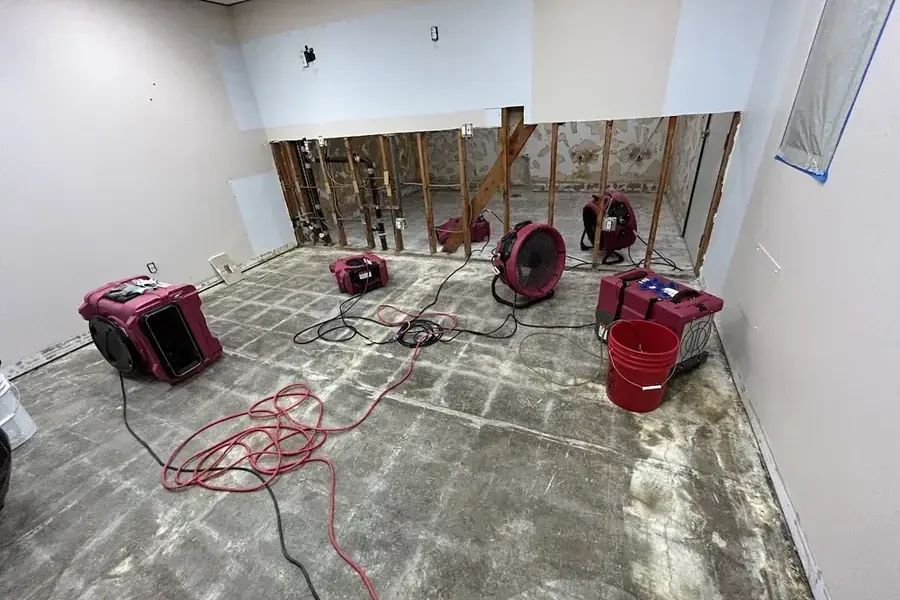
First steps for slab leak water damage
- Collect the useful clues. Note the damp location, any change in water usage, and when the floor first changed appearance so the investigation starts with specific observations.
- Arrange supply control. A plumbing professional can advise on isolation while the city offers shutoff assistance where needed. Avoid operating equipment beside an actively wet electrical area.
- Preserve access information. Keep photographs of openings made during leak location and repair, including the exposed floor layers and the surfaces immediately surrounding the plumbing work.
- Delay replacement coverings. Leave finish replacement decisions until retained moisture has been evaluated. After the pipe repair, each affected floor layer needs assessment before a new covering conceals it.
A higher water bill can be the first reason to look for a hidden plumbing escape. Ridgefield advises customers that unusually high bills may indicate a leak. When that clue accompanies persistent floor dampness, a plumbing investigation and a material assessment can proceed together so that repair access also exposes the cleanup problem.
Separate the leak location from the wet footprint
The point where plumbing fails and the place where moisture becomes visible may differ. Water follows available pathways beneath finishes and along joints. At a Gee Creek Meadows property, a damp hallway could therefore require checks in the connected room, while a Greely Farms owner may first notice a flooring seam changing shape.
The inspection establishes the actual assembly rather than treating all floors alike. Concrete, adhesive, underlayment, and the finish above it respond differently to moisture. A plumbing repair opening may expose only a portion of the affected area, leaving additional wet layers beyond its edge.
Choose access that answers a specific question
Selective lifting or removal should reveal whether moisture remains underneath the floor covering and whether the material can be retained. An estimate should explain the reason for each proposed opening. Where a finish has separated or distorted, drying alone may not restore its original fit.
- Compare visible staining with readings from adjoining areas and unaffected materials.
- Record flooring layers exposed during plumbing investigation or repair access.
- Keep removed finish samples when they help identify later replacement needs.
- Assess wall bases where moisture has spread beyond the original floor patch.
Allow the assembly to support the next finish
After the source is repaired, controlled structural drying targets retained moisture. Dense materials can respond more slowly than exposed surfaces. The appropriate completion decision considers the material and the proposed replacement floor, rather than relying on appearance or a fixed equipment rental period.
For a Hillhurst property, the owner and any flooring contractor should understand which readings support the handoff and which preparation tasks remain. Cleanup records can distinguish water removal from concrete repair, floor preparation, and installation. That separation makes it easier to schedule the final work without covering an unresolved wet area.
Do not cut into a floor to search for a suspected leak. Concealed plumbing and electrical components require an informed access plan. If water is still escaping, arrange safe supply isolation and keep damaged or lifting floor sections out of ordinary foot traffic.
Persistent damp flooring needs a source investigation and a clear account of the affected layers. Describe where the patch returns, whether water usage changed, and what the plumbing assessment has already found.
(888) 509-1696Assess the wet floor layersWhat does slab leak water damage cost in Ridgefield, WA?
Slab leak water damage work in Ridgefield varies with the finish layers affected and the access required to dry them. These cleanup ranges exclude assumptions about the plumbing repair method or the final replacement flooring.
Localized finish damage
$1,500 to $2,500
- Small affected surface
- Limited layer exposure
- Focused floor drying
Several affected layers
$2,500 to $4,000
- Underlayment moisture checks
- Connected finish removal
- Expanded equipment setup
Extended saturation
$4,000 to $6,000+
- Larger wet footprint
- Dense material monitoring
- Additional access work
Estimate only. Water category, affected materials and access determine the scope. Compare the inputs in the water damage cost calculator.
How slab leak water damage progresses
- 1
Relate plumbing to materials
The assessment records the suspected escape and the visible material damage, giving the plumbing and cleanup tasks a shared description of the affected area.
- 2
Expose retained wetness
Access is directed toward layers that conceal moisture. Findings from those openings refine the scope and identify finishes that cannot remain through drying.
- 3
Monitor the exposed assembly
Drying conditions are adjusted as measurements show how the slab and adjoining materials respond, with attention to edges beyond the original repair opening.
- 4
Prepare the flooring handoff
The completion record describes moisture results and unfinished floor preparation, allowing replacement work to be planned around the actual condition of the supporting material.
Related water damage services in Ridgefield
Slab Leak Water Damage questions in Ridgefield, WA
Does a high bill confirm a slab leak?
It signals a reason to investigate water use and possible leaks. A plumbing assessment locates the actual problem. Cleanup decisions then follow the affected materials, including floor finishes and wall edges, rather than assuming the location from the bill alone.
Must the entire floor be removed?
The decision depends on where moisture remains, the flooring system, and the condition of individual layers. Selective access can help establish the extent. The scope should explain why each area needs removal and which unaffected surfaces can remain.
Can concrete hold moisture after the pipe repair?
Concrete and adjacent porous materials can retain moisture after the release stops. Drying and appropriate measurements help determine when the assembly is ready for the next stage. A visually pale or dry surface alone is an incomplete completion check.
Who decides where the plumbing repair opening goes?
The plumbing specialist determines the access needed for diagnosis and repair. Cleanup assessment identifies additional wet materials around that work. Coordinating both scopes helps prevent a repaired opening from concealing damp flooring or wall bases beyond its immediate boundary.
Will drying restore a lifted floor covering?
Some finishes remain distorted or lose adhesion even after moisture is removed. Their condition requires a separate repair decision. The drying record describes the supporting assembly, while the replacement scope addresses appearance, attachment, and suitability of the affected finish.
What should be saved for the claim discussion?
Photographs of visible dampness, plumbing findings, repair openings, and affected floor layers can help explain the sequence. Retain cleanup estimates and moisture records as well. The insurer assesses the policy and circumstances when deciding which costs receive coverage.
Slab leak water damage in Ridgefield
Floor moisture assessments include homes in Gee Creek Meadows, Greely Farms, and Hillhurst, with the actual foundation and flooring assembly established at the property itself.
The same service nearby: slab leak water damage in Kelso, Rainier, Longview.
Explain the damp patch and repair access
A coordinated cleanup scope can connect the plumbing findings with removal, drying, and the evidence needed before replacement floor coverings are installed.
(888) 509-1696Discuss slab leak cleanup needs