Sewage Backup Cleanup in Rainier
Wastewater on a bathroom or lower floor calls for a protected work area. The cleanup plan addresses contamination, affected contents and the drainage problem before any retained structure is dried.
(888) 509-1696Discuss a backed up drain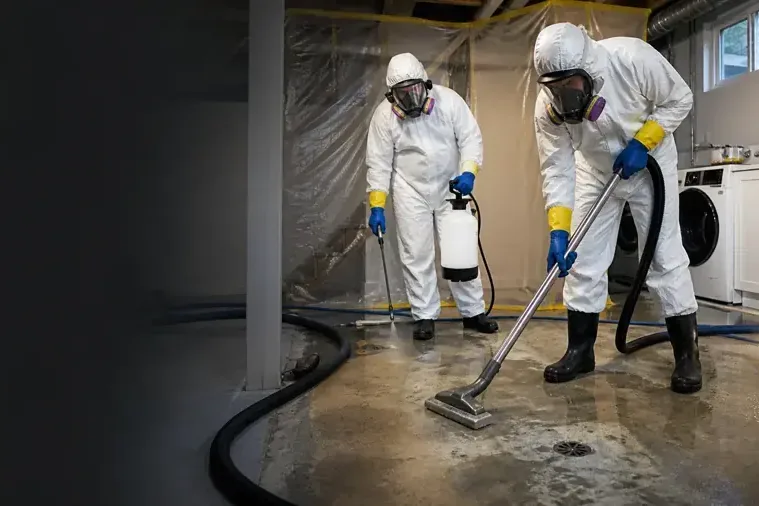
First steps for sewage backup cleanup
- Stop adding drain water. Suspend use of affected fixtures and appliances that discharge into the problem area. Tell the plumbing professional which fixtures overflowed or drained unusually.
- Close the occupied route. Keep people and animals away from contaminated flooring. Avoid carrying loose belongings through clean rooms until their condition and handling have been assessed.
- Record contacted items. From a dry location, photograph the water boundary and belongings involved. List furniture and stored contents that touched wastewater for the cleanup discussion.
- Coordinate the drainage response. Arrange source diagnosis along with interior cleanup. Share any municipal communication or plumbing findings so the removal plan accounts for a possible continuing backup.
A drain backing up into a Rainier building needs two coordinated tasks: addressing the drainage fault and cleaning the interior it contaminated. Continued fixture use can add water to the affected room. The first description should name the fixture, the rooms involved and any movement into adjacent flooring.
Keep wastewater away from occupied space
Foot traffic can carry contamination beyond the original puddle. The work area should have a controlled boundary, with a clear route for removal and bagged materials. Children, pets and anyone without an appropriate work role should stay outside the affected space while the cleanup is organized.
City of Rainier Public Works Department lists a wastewater plant operator. Municipal operations and a building's interior cleanup involve different questions. Reporting a suspected public drainage issue belongs alongside arranging a plumbing assessment and documenting the materials affected inside the property.
Trace contact instead of judging by appearance
Wastewater may pass beneath a door, soak a cabinet base or enter a floor joint. Its reach is recorded before removal changes the scene. Porous materials that cannot be cleaned effectively need a removal decision, while suitable hard surfaces require cleaning appropriate to their exposure.
- Separate wet personal belongings from items outside the affected boundary.
- Record the lower wall sections contacted by contaminated water.
- Inspect floor transitions where water could have crossed underneath a finish.
- Keep removal traffic from passing through clean storage areas.
Fox Creek joins the Columbia River, and the creek's drainage corridor includes US Highway 30. During a wet weather incident, the property history should distinguish water entering from outside from wastewater emerging through a fixture. That description helps direct the source investigation without delaying protection of the contaminated room.
Clean first, then assess retained materials for drying
Air movement should follow a contamination control plan. Simply placing household fans over a sewage spill can spread unwanted material into adjoining rooms. The remaining structure needs suitable cleaning before moisture removal from retained assemblies is organized.
The completion record should identify removed finishes, retained surfaces and any unresolved drainage work. Replacement materials belong after those decisions and the drying assessment, so a new floor does not conceal contamination or a continuing source problem.
Occupants should avoid contact with sewage and stop using fixtures that may feed the backup. Electrical equipment in the wet area adds another hazard. A dry, separate approach is needed for assessment; household cleaning chemicals should never be mixed in an attempt to treat the spill.
A wastewater backup needs a clear boundary and a plan for the source as well as the room. Describe the overflowing fixture, the surfaces contacted and any ongoing drain use before arranging assessment.
(888) 509-1696Explain the wastewater spreadWhat does sewage backup cleanup cost in Rainier, OR?
Sewage cleanup in Rainier uses planning ranges from $2,000 to $10,000+. The contamination footprint, porous material removal and controlled access needs shape the estimate, while drainage repairs should have their own scope.
Contained bathroom
$2,000 to $3,500
- Defined contamination boundary
- Fixture area cleanup
- Limited porous removal
Connected wet rooms
$3,500 to $6,000
- Multiple contacted surfaces
- Protected removal route
- Broader contents assessment
Extensive contamination
$6,000 to $10,000+
- Complex waste handling
- Extensive finish removal
- Expanded cleaning access
Estimate only. Water category, affected materials and access determine the scope. Compare the inputs in the water damage cost calculator.
How sewage backup cleanup progresses
- 1
Establish a controlled boundary
Inspection identifies contaminated rooms and practical entry points. Protective separation and a removal route are planned before wastewater and contacted materials are disturbed.
- 2
Remove wastewater and damaged contents
Suitable equipment recovers accessible sewage water. Porous finishes and belongings are assessed for cleaning or disposal according to the condition and extent of contact.
- 3
Clean the exposed structure
Retained surfaces receive appropriate cleaning with access to joints and edges. The work addresses contamination before drying equipment serves the remaining wet assembly.
- 4
Verify the handoff conditions
The record describes what was removed, cleaned and left for repair. Moisture checks and source findings help determine whether reconstruction can be planned.
Related water damage services in Rainier
Sewage Backup Cleanup questions in Rainier, OR
Should the toilet be flushed again to test it?
Repeated flushing can add more wastewater to a blocked drainage path. Fixture use should stop while the problem is assessed. A plumbing professional can investigate the cause and decide how to verify drainage without increasing contamination inside occupied rooms.
Can ordinary fans dry a sewage spill?
Drying is not the first treatment for wastewater contamination. Air movement must fit the containment and cleaning plan because disturbed material can spread into clean spaces. Water recovery, removal decisions and cleaning of retained surfaces come before controlled structural drying.
Does every contacted item have to be discarded?
Material type and exposure determine the recommendation. Some hard surfaces may be cleaned, while porous contents can be difficult to treat thoroughly. An itemized assessment should record the condition and proposed handling so disposal decisions remain clear to the owner.
Who handles the blocked drain and the room?
Drain diagnosis and interior mitigation are separate tasks that need coordination. The plumbing professional addresses the source; the cleanup scope covers wastewater, contaminated materials and retained structure. Suspected municipal issues can also be reported through the appropriate city contact.
What if sewage reached beneath a floor finish?
The concealed layer needs inspection because surface cleaning may leave contamination underneath. Access can require lifting affected material or opening an adjoining edge. The scope should explain the contact path and why removal is necessary before new finishes return.
Can the household remain elsewhere in the building?
That depends on separation, safe access and whether necessary facilities remain usable. The affected area should stay isolated from occupants. The assessor can explain the work boundary and any conditions that prevent unaffected rooms from being used during cleanup.
Sewage backup cleanup in Rainier
Rainier households can describe the overflowing fixture, affected level and whether water use has stopped when arranging an assessment of the interior contamination.
The same service nearby: sewage backup cleanup in Kelso, Longview, Ridgefield.
Keep the affected doorway clear
Photographs taken from outside the contaminated area and a list of contacted belongings help organize removal decisions without unnecessary handling of wet materials.
(888) 509-1696Plan the contaminated room cleanup