Sewage Backup Cleanup in Ridgefield
Wastewater rising through a fixture turns an ordinary room into a restricted cleanup area. Stop further fixture use and plan containment before anyone carries contamination across dry flooring or into occupied rooms.
(888) 509-1696Discuss wastewater inside the building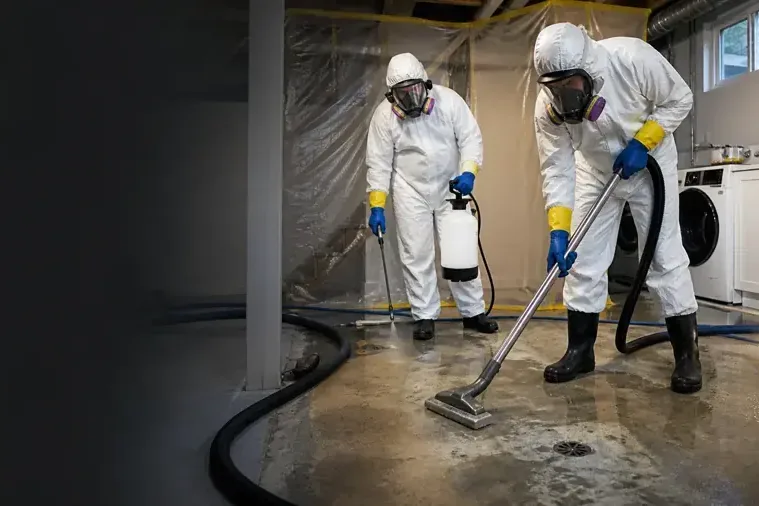
First steps for sewage backup cleanup
- Stop contributing fixture use. Avoid flushing toilets or running water into connected drains while wastewater is backing up. Further discharge can enlarge the affected area inside the building.
- Close the affected area. Keep occupants outside the room and preserve a clean route through the property so contaminated shoes and belongings do not spread the loss.
- Report suspected system trouble. Contact the sewer provider about a suspected public system problem and arrange the plumbing assessment needed to identify the cause at the property.
- Describe material contact. List the floor coverings, cabinets, wall edges, and contents touched by wastewater so cleanup planning includes absorbent layers and concealed spaces requiring inspection.
A backup can contaminate footwear, contents, and adjoining floor surfaces before its full extent is obvious. The initial response should prevent that spread. Clark Regional Wastewater District is the sewer provider identified for Ridgefield, so a suspected public system problem belongs with that provider while the interior loss receives its own cleanup assessment.
Contain the route out of the wet room
A bathroom in Heron Ridge may have a clear doorway boundary, but runoff beneath trim or flooring can extend beyond it. In Pioneer Canyon, a hallway used to reach the affected fixture may also need protection during material removal. The work area should account for both the contamination footprint and the removal route.
Ordinary fans should remain off until the cleanup approach is established. Moving contaminated air or droplets into unaffected rooms can enlarge the problem. Occupants and animals need a dry route that avoids the work zone, and items carried out should be evaluated before they are placed elsewhere.
Choose materials by cleanability
Contaminated porous layers often require removal because effective cleaning cannot reach the full depth. Hard surfaces may be candidates for cleaning after gross waste is collected. The assessment considers contact, absorption, and accessibility instead of deciding solely from the surface appearance or the strength of the odor.
- Identify flooring and wall layers reached by the wastewater.
- Separate affected contents from possessions outside the contamination boundary.
- Plan controlled bagging and removal without dragging wet debris through occupied rooms.
- Document exposed cavities before cleaning and drying conceal the original damage.
Resolve the drain problem before normal use
A Seven Wells property owner needs to know whether the backup source has been addressed before fixtures return to service. A plumbing investigation and any provider response should inform that decision. Interior extraction alone cannot correct a blocked or malfunctioning drain system.
Following waste removal and cleaning, drying the retained assembly addresses moisture in suitable remaining materials. The handoff should describe discarded layers, cleaned surfaces, and any repairs still outstanding. Those records support a clear discussion about reopening the room and replacing finishes after the contamination has been addressed.
Sewage water should not be walked through or handled with household towels. Keep children and animals away, stop use of fixtures contributing to the backup, and leave wet electrical equipment untouched. A safe assessment comes before removing contents or switching on drying fans.
A wastewater backup needs a contained work area and a source investigation. Describe which fixture overflowed, where the water traveled, and whether any connected drains are still receiving water before discussing the cleanup scope.
(888) 509-1696Plan contained wastewater removalWhat does sewage backup cleanup cost in Ridgefield, WA?
Sewage backup cleanup in Ridgefield is shaped by contamination spread, absorbent material removal, and access. These ranges describe cleanup scale; drainage correction and replacement finishes should be identified separately in the written scope.
Contained bathroom
$2,000 to $3,500
- Restricted wet area
- Accessible hard surfaces
- Focused waste removal
Connected wet rooms
$3,500 to $6,000
- Broader contamination boundary
- Multiple material types
- Protected disposal route
Extensive contamination
$6,000 to $10,000+
- Extensive porous removal
- Concealed cavity cleaning
- Larger drying setup
Estimate only. Water category, affected materials and access determine the scope. Compare the inputs in the water damage cost calculator.
How sewage backup cleanup progresses
- 1
Define contaminated contact
The inspection records where wastewater traveled and what it touched, including room transitions and materials underneath the visible surface of the affected floor.
- 2
Establish controlled handling
Work boundaries and disposal access are arranged before extraction and removal, helping protect unaffected spaces while contaminated liquid and porous debris leave the building.
- 3
Clean remaining surfaces
Suitable retained materials are cleaned after gross contamination is removed. Exposed cavities receive attention before drying equipment is arranged around the remaining wet assembly.
- 4
Confirm the restoration handoff
Cleanup findings, moisture results, and unresolved drain or finish repairs are documented so the property owner understands what is complete before the space returns to use.
Related water damage services in Ridgefield
Sewage Backup Cleanup questions in Ridgefield, WA
Can sewage water be treated like a clean spill?
No. Wastewater changes both access restrictions and material decisions. Porous items may require disposal, and retained surfaces need appropriate cleaning. Household mopping and ordinary fan use do not address contamination carried into floor layers or adjoining cavities.
Who is the sewer provider for this city?
Clark Regional Wastewater District is identified by the city as the sewer provider. Suspected public system trouble should be reported there. A plumbing professional can investigate conditions at the property, while the interior cleanup scope addresses contaminated rooms and materials.
Should the toilet be flushed to test the drain?
Additional fixture use can send more wastewater into the affected area while a backup remains unresolved. The drain investigation should establish when testing or normal use is appropriate. Occupants should keep the area restricted while that assessment is pending.
Can a contaminated rug be dried in another room?
Moving the rug can spread wastewater onto otherwise unaffected flooring. Its material and exposure need assessment before handling or drying. Contents removal should use a controlled route, with unsuitable absorbent items separated for disposal as part of the cleanup.
Does the absence of odor mean cleaning is complete?
Cleaning completion depends on removal of unsuitable layers, treatment of retained surfaces, and the drying assessment. The cleanup record should identify those actions and the condition of affected materials throughout the room, including areas that no longer have a noticeable odor.
When can replacement flooring be installed?
The source needs correction, contaminated materials need proper handling, and retained layers need a satisfactory drying assessment. Replacement planning can then address the exposed assembly. Installing new flooring early risks concealing unresolved contamination or moisture beneath a finished surface.
Sewage backup cleanup in Ridgefield
Wastewater assessments can include Heron Ridge, Pioneer Canyon, and Seven Wells properties, with separate attention to safe entry, shared access, and the fixture where backup appeared.
The same service nearby: sewage backup cleanup in Kelso, Rainier, Longview.
Fixture use and access need attention
The assessment can separate drain correction from interior waste removal, material disposal, cleaning, and drying so the property has a clear path forward.
(888) 509-1696Discuss the sewage affected rooms