Roof Leak Water Damage in Rainier
A stain below the roof can be the end of a longer water path. The interior assessment follows wet decking, insulation and ceiling materials after the roof opening receives appropriate attention from a roofing professional.
(888) 509-1696Discuss wet attic and ceiling materials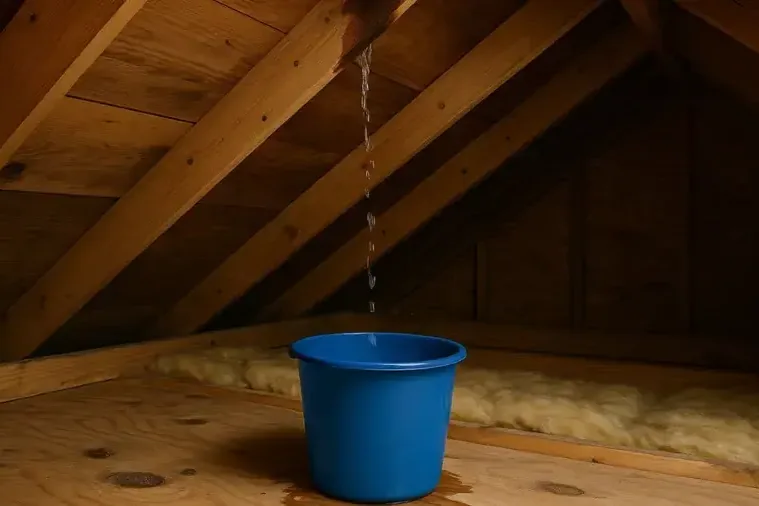
First steps for roof leak water damage
- Record the room symptom. Photograph the ceiling stain or drip from a safe angle. Note whether it changes during rain and whether any section appears soft or displaced.
- Arrange attention to roof entry. Share the visible interior problem with a roofing professional. Save the repair findings so mitigation can compare the exterior opening with the attic water path.
- Explain attic access conditions. Identify the hatch location and any known obstacles without entering an unsafe space. Mention stored belongings or wiring concerns that may affect the inspection.
- Protect the room beneath. Move accessible dry contents away from the drip only when safe. Keep occupants outside the area beneath weakened drywall while overhead materials are assessed.
A roof leak in Rainier may show itself as a drip far from the roof opening. Water can move along decking or framing before reaching insulation and ceiling drywall. The visible mark identifies a place to inspect, while the actual source and the full wet route still need to be located.
Link the roof work with the interior inspection
A roofing professional addresses the entry point. Interior mitigation should receive those findings so the attic inspection can compare the repaired location with damp materials below. That coordination helps avoid treating a ceiling stain while water continues to enter above it.
Rainier stands beside the Columbia River, with the Lewis and Clark Bridge and US Highway 30 serving as location references for arranging property access. At the building, more useful details include whether an attic hatch is available, where the drip appears and whether any ceiling section has changed shape.
Inspect insulation before concealing the attic again
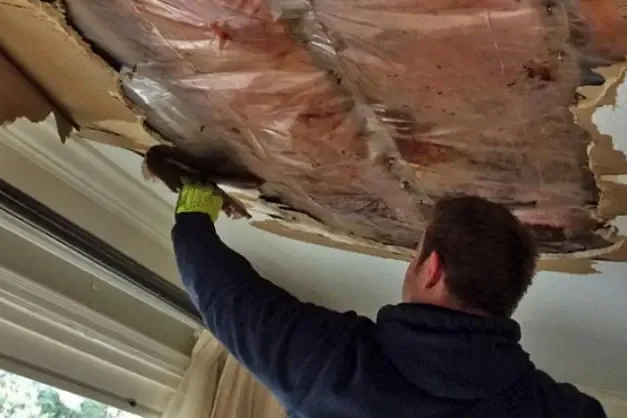
Wet insulation can retain water against the ceiling and obstruct examination of the framing. Its condition, location and exposure determine the removal decision. Attic access should be planned around safe footing, wiring and the stability of the materials rather than a homeowner entering to pull insulation aside.
- Record wet areas around the roof entry and along the framing route.
- Compare attic moisture with stains and soft spots in the room below.
- Identify insulation that blocks inspection or remains saturated after the leak stops.
- Protect the occupied area beneath any opening made for material removal.
Replace finishes after the overhead assembly is ready
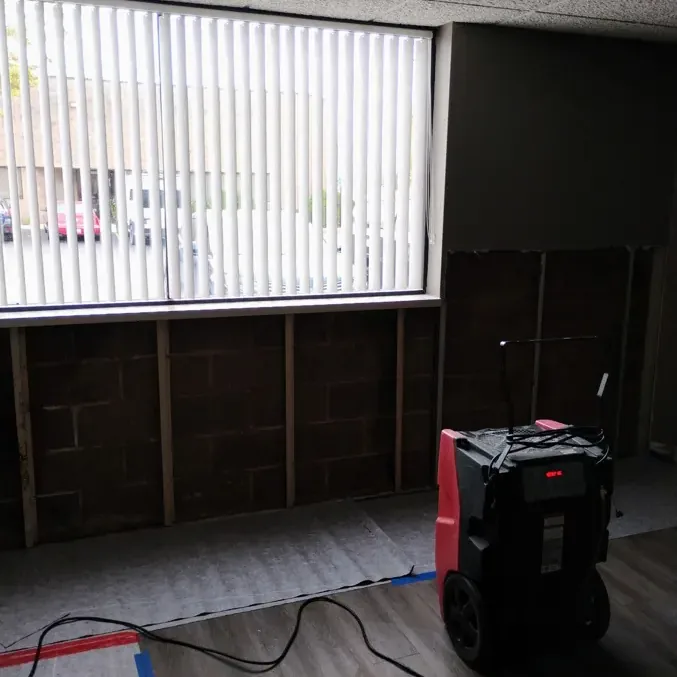
Roof repair and interior drying have different completion conditions. A repaired exterior opening stops further entry, while retained timber and adjoining materials may continue releasing moisture. Drying measurements help establish the condition of those materials before insulation or ceiling finishes return.
The handoff should list removed insulation, open ceiling areas and the results from accessible retained materials. It should also identify any need for further roofing evaluation. Clear notes allow ceiling repairs to proceed around the actual work completed, instead of assuming that a fresh patch outside made every interior layer dry.
Occupants should stay off the roof and avoid entering an attic with uncertain footing or wet wiring. A bulging ceiling needs an exclusion area below it. Buckets may catch a drip only when they can be placed safely without standing under unstable materials or near electricity.
An overhead stain needs a plan that reaches beyond its visible edges. Describe the roof repair status, attic access and ceiling condition so the assessment can connect the exterior entry with the wet interior layers.
(888) 509-1696Review the roof to room damageWhat does roof leak water damage cost in Rainier, OR?
Roof leak water damage mitigation in Rainier has planning ranges of $1,500 to $6,500+. Wet insulation, ceiling access and the extent of roof to room spread affect the interior scope; roofing repairs need a separate description.
Small ceiling area
$1,500 to $2,500
- Localized overhead inspection
- Limited finish opening
- Focused moisture removal
Wet attic bay
$2,500 to $4,000
- Insulation condition assessment
- Accessible framing checks
- Protected debris handling
Broader roof-to-room loss
$4,000 to $6,500+
- Connected overhead cavities
- Several affected surfaces
- Expanded drying arrangement
Estimate only. Water category, affected materials and access determine the scope. Compare the inputs in the water damage cost calculator.
How roof leak water damage progresses
- 1
Compare source and interior findings
Roof repair information is matched with attic and ceiling symptoms. The inspection looks for the route that connects the entry point to damaged finishes.
- 2
Plan safe overhead access
The work area below is protected before wet finishes or insulation are disturbed. Removal decisions depend on condition and access to retained materials.
- 3
Dry exposed roof side materials
Air movement and moisture control serve the accessible wet assembly. Readings indicate whether framing and adjoining layers are responding or need further exposure.
- 4
Describe the remaining repairs
The final notes separate roof work, completed mitigation and interior replacement tasks. That record helps coordinate insulation and ceiling restoration after moisture conditions are suitable.
Related water damage services in Rainier

Roof Leak Water Damage questions in Rainier, OR
Why is the stain away from the roof opening?
Water can move along framing, decking joints or other surfaces before it drops into the ceiling. The room mark may therefore be offset from the entry point. An attic inspection connects the visible stain with the wet route above it.
Does a roof patch finish the water damage work?
A roof repair addresses continuing entry, while insulation, timber and ceiling materials can remain wet underneath. Interior assessment determines what needs removal or drying. Both scopes should be recorded so finish repairs follow the condition of the overhead assembly.
Should wet insulation be left to dry in place?
The decision depends on its condition, exposure and whether it blocks access to affected materials. Saturated insulation may need removal to inspect and dry the framing. The recommendation should explain the material condition and the reason for opening the area.
Can someone inspect the attic from the hatch?
A safe view from an accessible hatch may help describe the problem, but entering requires suitable footing and an assessment of wiring and ceiling conditions. Occupants should avoid stepping onto ceiling materials or moving through an uncertain wet attic space.
When can a ceiling stain be painted?
Painting belongs after the source has been addressed and affected materials have been assessed for moisture and strength. A stain alone cannot describe the condition above it. Damaged drywall or retained moisture may require work before cosmetic finishing begins.
What records should be kept from the roofer?
Keep photographs, the location of the entry point and the description of the repair. Those details help the interior assessor compare the source with wet insulation and ceiling damage. They also support a clear handoff when reconstruction is arranged.
Roof leak water damage in Rainier
For Rainier roof leak damage, describe the affected ceiling, available attic access and roof repair status so the interior inspection can be organized safely.
The same service nearby: roof leak water damage in Kelso, Longview, Ridgefield.
Mention any changing ceiling shape
Safe photographs and roofing findings help organize the inspection while occupants remain clear of wet attic spaces and unstable materials above the room.
(888) 509-1696Arrange an attic moisture assessment