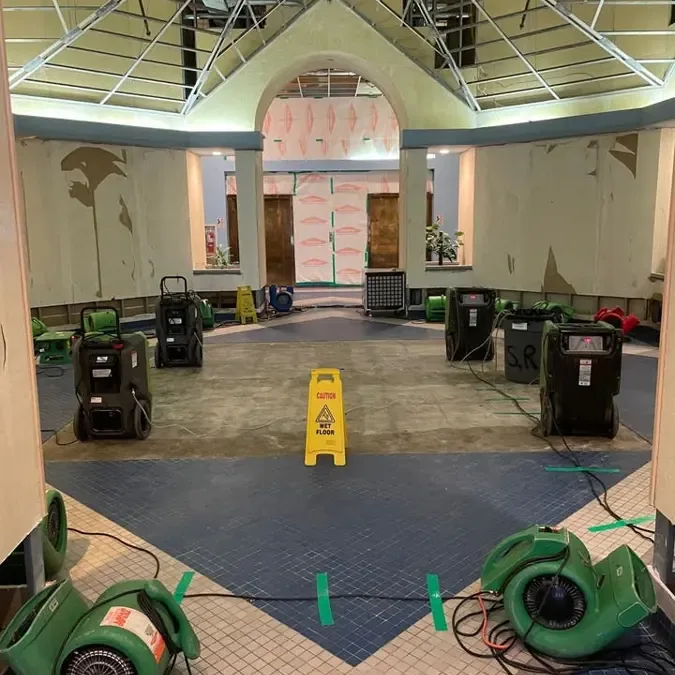
Fox Creek flows north toward the Columbia River in Rainier, Oregon. February 11 and 12, 2019: a large rain event caused severe flooding on private property between West C Street and US Highway 30. For a business dealing with water inside today, the useful first record connects the observed entry route with affected stock, equipment and the rooms needed for daily operations.
Key takeaways
- Identify safe entrances and restrict access to wet customer or staff areas.
- Photograph stock in place before moving it into a separate assessment area.
- Record the observed water route alongside the affected room and equipment locations.
- Give the cleanup team an authorized contact for access and material decisions.
- Reopen work areas only after their cleanup status and remaining restrictions are clearly communicated.
Keep the creek history separate from the current incident log
February 2020: the Fox Creek evaluation described interconnected culverts between West C Street and the outlet north of US Highway 30. It also identified city, private business and Oregon Department of Transportation ownership of portions of the system, making a precise location description useful when reporting a drainage concern.
The current business incident file should begin with what staff observed at the premises. Notes can identify the entrance, loading area or other opening where water appeared, whether it was still entering and which interior aisle or room became affected first during the discovery period.
The commercial water damage team can use that room sequence to plan access and contents handling. Exterior drainage reporting can proceed alongside the building cleanup, with each record describing its own observations and the actions completed by the responsible contact.
- Use familiar room or department names that staff and contractors can both identify.
- Save the first exterior and interior photographs in their original order.
- Describe an active entry point without sending staff into unsafe water.
- Keep drainage report references with the incident file for later follow up.
Map work areas before moving stock and furniture
A business floor often has several functions within the same room, such as customer access, storage and equipment operation. A quick diagram should show those functions together with the wet boundary so cleanup decisions can account for how people ordinarily move through the premises.
Staff can identify items essential to operations while the crew assesses their condition and safe handling. The inventory should keep each item connected with its original location, particularly when similar cartons, display pieces or machines occupy both affected and unaffected parts of the business.
A clear layout also helps the owner prioritize access according to the use of each space. A dry office, affected stockroom and wet entrance can each have different immediate needs, and those distinctions belong in the written work plan from the beginning.
- Mark entrances, storage areas and the route normally used by customers.
- Identify machinery that requires a separate electrical or service assessment.
- List essential records and stock that remain in inaccessible areas.
- Select a dry meeting point for the owner, staff contact and cleanup supervisor.
Choose a contents route that protects unaffected stock
Moving wet inventory can create a second problem when it is placed among dry stock awaiting sale or use. The business should agree with the crew on a holding area, handling route and method for distinguishing items awaiting assessment from those already cleared for ordinary storage.
Photographs of shelves and packaging before movement can preserve details that become difficult to reconstruct after cartons are separated. The inventory can record the item description, observed contact and proposed disposition, giving the owner a usable basis for discussions about replacement or further evaluation.
Absorbent packaging and durable equipment need different assessment decisions. The work record should describe the material and exposure involved rather than assuming that an intact box or clean looking outer surface settles the condition of everything stored inside it after floodwater contact.
- Keep assessed and unassessed items visibly separated in the holding area.
- Record disposal decisions before affected stock leaves the premises.
- Preserve labels and identifying details through photographs when handling permits.
- Avoid routing contaminated material through a dry customer or office area.
Plan extraction around fixed fixtures and floor transitions
Outdoor water entering a business requires a storm and flood cleanup assessment that considers contamination as well as the visible liquid. The crew should identify fixed cabinets, counters and equipment bases that conceal floor edges or limit access to the material underneath.
Accessible standing liquid can be addressed through water extraction, with the recovery area mapped by room or work zone. As stock moves and surfaces become visible, the inspection can expand to newly exposed low spots, partitions and the adjoining floor finishes.
A floor that appears ready for use may still border a wet cavity or an opening needed for continued work. The cleanup update should name those remaining locations and explain whether a barrier, equipment route or temporary access restriction must stay in place while the next task proceeds.
- Record water found beneath shelving or fixed equipment during access work.
- Check transitions where different floor finishes meet.
- Keep equipment routes distinguishable from routes proposed for staff access.
- Describe unfinished locations individually instead of assigning one status to the whole building.

Give each business decision an authorized contact
The owner or property manager should identify who can authorize access, contents movement and material removal. When a tenant operates the business, the building contact may also need to participate in decisions involving walls, fixed flooring or spaces outside the leased work area.
A short written update can separate observations, approved work and questions awaiting a decision. That format helps avoid a delay caused by a contractor waiting for an answer that staff assumed had already been given in a conversation with someone else at the property.
Communication should include practical operating needs, such as access to records or an unaffected storage room. The cleanup supervisor can then explain which requests are compatible with the current work area and which need another arrangement until the affected space reaches the appropriate completion point.
Reopen rooms using specific completion information
A reopening discussion should describe the condition of the area proposed for use, completed cleaning and any remaining drying or repairs. The business needs to know where equipment remains, whether a route is restricted and which building systems still require attention from another contractor.
Photographs and room labels make that handoff easier for staff who were absent during cleanup. A supervisor can show which stock has been assessed, where replacement work will occur and how the remaining contractor access is separated from the activities resuming elsewhere in the building.
The final file should retain the original entry observations alongside the inventory and work record. Those documents support later cost and claim discussions while also giving the business a practical account of what changed, what was removed and what conditions were checked before operations resumed.
Questions
Where does Fox Creek meet the larger river near Rainier?
The creek flows from south to north and joins the Columbia River. For a current water incident, the business report should still identify the actual opening and room where water was observed at the premises.
What information helps a cleanup crew assess a shop?
A room diagram, safe access description and stock locations provide a useful start. The business should also identify the person authorized to approve work and any equipment requiring a separate specialist assessment before movement.
Can wet stock be mixed with unaffected inventory during sorting?
A separate holding arrangement is preferable so each item's condition remains traceable. Clear labels and photographs help prevent affected goods from returning to normal storage before their cleaning or disposal decision has been made.
How should a partially reopened business describe remaining work?
The update should name the rooms available for use and list the restrictions elsewhere. Staff need a practical map of contractor routes, equipment and unfinished repairs so normal activity stays within the areas cleared for it.