Water Heater Leak Cleanup in Ridgefield
Water at the base of a heater can slip beneath the closet wall before the room outside looks wet. Cleanup needs equipment isolation and an inspection of the surrounding finishes and floor layers.
(888) 509-1696Discuss water around the heater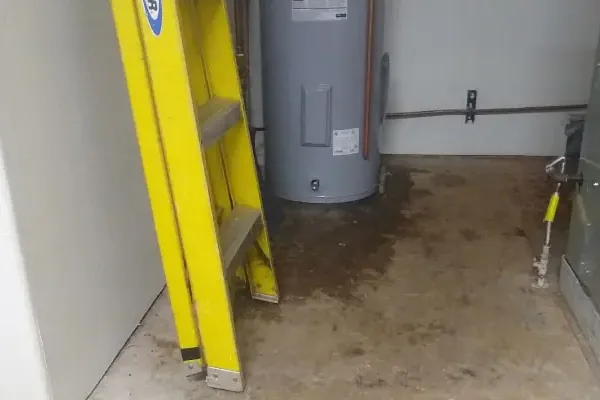
First steps for water heater leak cleanup
- Keep clear of hot water. Treat water around the heater cautiously and avoid contact with wet controls or electrical equipment while the source and safe isolation method are being assessed.
- Describe equipment and access. Identify the heater location, closet opening, and rooms sharing its walls so the cleanup discussion includes both the tank base and possible water pathways nearby.
- Check visible adjoining surfaces. From a safe position, note wet thresholds, stained trim, and damp floor edges outside the utility area without moving the heater or disturbing its connections.
- Coordinate repair and removal. Ask how equipment work will expose the supporting floor and whether affected materials need attention before repaired or replacement equipment closes off access to them.
A utility closet can hide the start of a larger floor loss. Water collecting around a tank may pass beneath trim, soak stored items, and emerge in a room that has no plumbing fixture of its own. Ridgefield water heater cleanup should account for those connections before the replacement equipment or repaired supply conceals the wet area.
Give the equipment problem its own assessment
The heater, its connections, and the surrounding controls need appropriate professional attention. The cleanup task is to manage escaped water and affected materials. If supply isolation requires help, the city offers water shutoff assistance, while a qualified equipment professional can address the specific heater and its safe operating condition.
At a Bellwood Heights property, a narrow closet opening may affect how the tank area can be inspected. A Seven Wells owner may notice water in an adjoining room before finding the tank leak. Describing both conditions helps establish the removal and access plan including water hidden beneath neighboring finishes.
Look behind the closet boundary
Trim, wallboard edges, floor coverings, and stored absorbent items can hold water after the closet has been wiped down. The supporting surface beneath the equipment also needs consideration. If equipment must be moved for repair or replacement, that opening can provide an opportunity to assess material that was previously inaccessible.
- Inspect the threshold and the flooring immediately outside the utility area.
- Check wall bases shared with a neighboring closet or occupied room.
- Separate soaked stored items from unaffected household belongings.
- Record areas concealed by the tank before new equipment limits access again.
Sequence the dryout around equipment replacement
A Discovery Ridge property may need cleanup and equipment work coordinated so each contractor understands the remaining wet materials. Water extraction handles accessible liquid, while the floor and wall assembly can require additional drying once the leaking source is controlled.
Replacement planning should account for the condition of the supporting floor and surrounding finishes. The owner should receive a clear explanation of what must dry before installation or enclosure and what can proceed alongside drying. Moisture measurements and photographs help make that handoff specific to the exposed materials.
A written scope should identify whether the work includes removing wet trim, accessing a wall base, or drying an adjoining room. These details prevent a narrow tank cleanup description from overlooking the route water took outside the utility space.
Leaked water may be hot, and wet equipment can present electrical hazards. Do not operate unfamiliar heater controls or step into pooled water to reach them. Keep the area clear while safe equipment isolation and the condition of the surrounding room are assessed.
A wet utility closet deserves an assessment beyond the tank itself. Describe the heater access, the visible water path, and any adjoining room that now feels damp so equipment work and cleanup can be coordinated.
(888) 509-1696Assess the heater's wet surroundingsWhat does water heater leak cleanup cost in Ridgefield, WA?
Water heater leak cleanup in Ridgefield varies with closet access and the water's spread into adjacent materials. These ranges concern cleanup and drying; equipment repair or replacement needs its own clearly described scope.
Contained utility area
$800 to $1,500
- Accessible tank surroundings
- Limited floor pooling
- Localized drying setup
Closet and adjoining floor
$1,500 to $3,000
- Wet threshold checks
- Shared wall assessment
- Additional finish access
Extended interior spread
$3,000 to $4,500+
- Connected room moisture
- Broader material removal
- Expanded drying equipment
Estimate only. Water category, affected materials and access determine the scope. Compare the inputs in the water damage cost calculator.
How water heater leak cleanup progresses
- 1
Coordinate safe source control
The leaking equipment receives appropriate assessment while the cleanup inspection records escaped water and access restrictions around the tank, controls, and neighboring interior surfaces.
- 2
Follow closet water pathways
Moisture checks extend through the threshold and shared wall edges, defining whether the apparent utility area loss has reached another room or concealed flooring layer.
- 3
Use available repair access
Equipment removal or connection repair can expose wet materials. Cleanup planning uses those findings to determine necessary finish removal and the arrangement for drying retained surfaces.
- 4
Document installation readiness
The handoff identifies material condition around the equipment location and any unfinished repairs, helping coordinate safe replacement work with the remaining drying or finish restoration tasks.
Related water damage services in Ridgefield
Water Heater Leak Cleanup questions in Ridgefield, WA
Can a small tank leak damage the next room?
Water can travel beneath a closet wall or across concealed floor layers before appearing elsewhere. The assessment should include adjoining edges and thresholds. A small visible puddle around the tank does not describe all the material that may have absorbed water.
Does the cleanup team replace the water heater?
Equipment diagnosis and replacement require an appropriate qualified professional and a clear scope. Restoration addresses escaped water and damaged surroundings. Coordinating those tasks helps expose the supporting floor and avoids placing replacement equipment over an unresolved wet or damaged area.
Should the tank be moved to mop underneath it?
The heater and its connections should not be moved casually. Appropriate equipment handling and isolation come first. If professional repair or replacement opens access beneath the tank, that is an opportunity to inspect and address the supporting surface safely.
What if a drain pan caught some of the water?
The surrounding area still needs assessment when water escaped the pan or wet nearby finishes. Check the actual path and any visible overflow. Cleanup scope should reflect the materials affected outside the containment area rather than assuming all released water stayed collected.
Can wet closet trim be left until later?
Trim can conceal damp wallboard edges and restrict access to the cavity behind it. Its condition and surrounding readings determine whether removal is useful. Leaving a visibly distorted or persistently damp edge unexamined can hide additional material needing attention.
How is drying coordinated with restoring hot water?
The equipment professional and cleanup contractor should identify the surfaces that need access and the conditions required for installation. Some work may proceed together, while other steps need sequencing. The owner should receive an explanation of remaining drying and equipment tasks.
Water heater leak cleanup in Ridgefield
Utility area cleanup can include Bellwood Heights, Seven Wells, and Discovery Ridge properties, with tank access, nearby rooms, and the condition of the leaking equipment discussed.
The same service nearby: water heater leak cleanup in Kelso, Rainier, Longview.
Include the closet threshold and shared walls
A detailed scope can show which floor and wall materials need removal or drying before equipment access closes and the utility area returns to ordinary use.
(888) 509-1696Discuss the utility area dryout